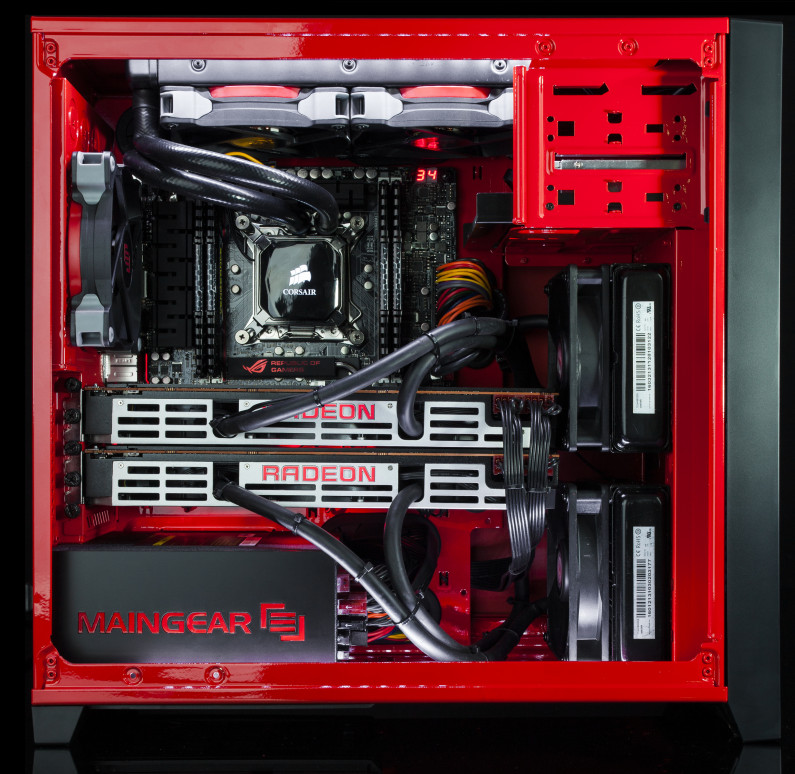
Fact of the matter is that you have to go through all that hassle which alot of non technical folks don't like doing. Those people are also part of the high end market im afraid. The other thing I have to mention is that not all 120mm exhausts are created equal i.e. you may not be able to fit the rad as it sticks out e.g. Antec Solo case which i happen to own..
It's not rocket science to mount a 120mm Rad. I'll bet my wife could do it with a butter knife for a screwdriver.
I own a GTX780 which happens to have a TDP of 250W. I think alot of people who own a GTX780/Ti/Titan can attest to how good this reference cooler is given its limits. But as we all know, the TDP isn't an accurate indicator for actual power consumption but still the numbers are somewhat close to real world results.
You didn't address what I said at all. GK110 throttles with the reference cooler unless you raise temp targets or fan speed or both. Fact. What makes you think AMD could do any better? Why have the cooler be the limiting factor on a card when a simple solution is already their?
Is that why they have extreme DP capabilities? or how they constantly harp on about openCL, GPGPU, HSA etc? they share the exact same die.
Radeon and Geforce cards are for gaming. Period. End of story. AMD makes the Firepro S series of cards for servers. They use different drivers, RAM, clocks, and cooling solutions.
Because I also happen to take it with a grain of salt? I cant think of any reason why any design engineers would go with an AIO cooler unless their newly designed GPU is really really hot and require a more beefy solution. For the R295X, it made sense (as also seen by the Titan Z's limited cooling on air). But for a single GPU solution? especially when leaks are showing power consumption close to the R290X? Did that require an AIO cooler?
That's fine, but it's the topic of this thread. As I said, according to what's been leaked here. And the 290X biggest downfall was the reference cooler. Who wants to see that again?
So that R&D cost is too much compared to the licensing fees that AMD has to pay to use these coolers (maybe even royalties per unit sold)? on top of all the risks? Whereas their rival invested in this expensive(?) reference cooler where its being used for almost all their high end products from the moment of its introduction (Titan -> 780 series -> Maxwell as well as the high end Quadros).
What licensing fees? AMD are buying them. Not licensing them to make themselves. Royalties? They are simply buying coolers. You don't pay royalties. I've seen AIO coolers like these on sale for $29.99 retail. What do you think AMD is paying for them?