Looks like the 10nm node is pretty much unsolvable in regard to clocks/power consumption.
Wait for 10+(+) Tigerlake, it looks much better.

Looks like the 10nm node is pretty much unsolvable in regard to clocks/power consumption.
Don't they also have a 10++(+) node coming out next year with SPR and ADL?Wait for 10+(+) Tigerlake, it looks much better.
Yes they do.Don't they also have a 10++(+) node coming out next year with SPR and ADL?

Some sad news about Intel's 10nm nodes (courtesy of WCCFTech):
Faster than Coffee Lake gen9/10 CPUs will only be released in 2022 which means AMD has all the chances to gain an even greater market share with its Ryzen 4000 CPUs. Looks like the 10nm node is pretty much unsolvable in regard to clocks/power consumption.
Let's just hope they will have a working fast and efficient 7nm node by 2022.
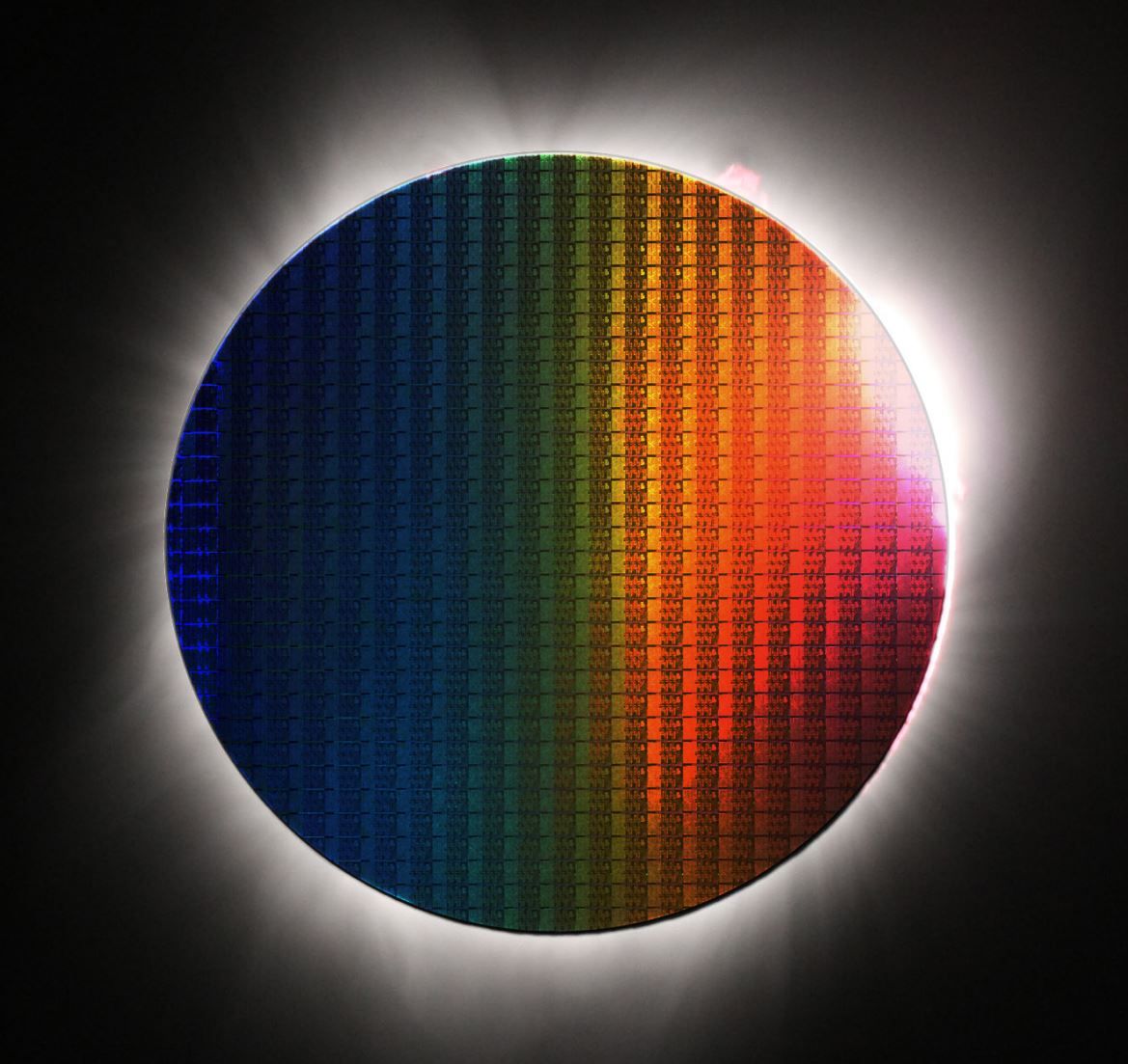
 www.tomshardware.com
Yeah, so let's see here.Dang, 🙁
I have been reading about this on twitter as well as on Tom's
Intel Says Process Tech to Lag Competitors Until Late 2021, Will Regain Lead with 5nm
It looks like 2020 and 2021 are going to be long years for Intel.
If true, it is devastating.
Two years is a long time in Tech Industry.
I really don't wish for Intel to fall this behind.
In 2022 Intel will have to fight GAA from Samsung/TSMC. Samsung already have GAA test devices with a target of 30%+ performance process over their next gen 5nm process
GAA will bring decent gains similar to the move to FinFET.
I hope all the people they have been assembling lately will help them.
Some sad news about Intel's 10nm nodes (courtesy of WCCFTech):
Faster than Coffee Lake gen9/10 CPUs will only be released in 2022 which means AMD has all the chances to gain an even greater market share with its Ryzen 4000 CPUs. Looks like the 10nm node is pretty much unsolvable in regard to clocks/power consumption.
Let's just hope they will have a working fast and efficient 7nm node by 2022.

Yeah, so let's see here.
TSMC advancing faster than Intel. Check
Intel 1-2 generations behind at present. Check
Intel will catch up in 2 years. Dream on
So you think lithography machines is all, or at least the majority of chipmaking?Though in 3-4 years, TSMC, Samsung, and Intel's progress will all be dependent on ASML's progress on their EUV equipment. I expect all of them will be on same level in terms of process nodes by then. I expect quality of 3D stacking and packaging will be more important.
So you think lithography machines is all, or at least the majority of chipmaking?

Wait for 10+(+) Tigerlake, it looks much better.
So you think lithography machines is all, or at least the majority of chipmaking?
Yes, definitely. 3nm and beyond will need higher NA EUV system which isn't really due until 2023~2024. Going 3nm on current EUV system could be quite a risk, and TSMC is trying to stay with finfet on their 3nm. If they can achieve that, it will be a quite a achievement, but it is still unknown at this point.

Plot twist.Samsung and TSMC had the same ASML machines but the outcome is different.
Just stating that obvious but there is so much more to EUV process tech than just EUV machines.
Masks, pellicles, cell structures, patterning, resistance/capacitance management, cell libraries, interconnects and so much more... all of these need to be designed besides having the EUV machines.
Samsung and TSMC had the same ASML machines but the outcome is different.
Which was basically true for each earlier state of lithography, and yet we had widely different architectures and performance levels. All engineers, in all fields, work within the limits of the available materials and tools.Oh, definitely. However, All of the above things you mentioned are done within the specifications of what current EUV machines are capable of, on sub-7nm and any smaller nodes after. At least for the decade, TSMC, Samsung, and Intel will have to follow the ASML’s roadmap basically.

Though in 3-4 years, TSMC, Samsung, and Intel's progress will all be dependent on ASML's progress on their EUV equipment. I expect all of them will be on same level in terms of process nodes by then. I expect quality of 3D stacking and packaging will be more important.
 www.notebookcheck.net
https://videocardz.com/newz/intel-alder-lake-s-to-feature-16-cores-125-150w-tdp-and-pcie-4-0
Some new information on ADL-S. Looks like Intel is planning a heterogeneous mix of cores for the desktop (8 big + 8 small). Really interested in why they chose this option and not to go with more 'BIG' cores instead.
Alder Lake is 10nm, that much is certain. If they backported Golden Cove to 14nm it'd have gotten another codename.It's probably two 4+4 chiplets plus an IGP chiplet. The 125 maybe 150 W TDP at base does suggest that they might indeed backport Alder Lake to 14nm.
Wouldn't surprise me if the 6+0 was Rocket Lake's CPU chiplet.
It's probably two 4+4 chiplets plus an IGP chiplet. The 125 maybe 150 W TDP at base does suggest that they might indeed backport Alder Lake to 14nm.
Golden cove + Gracemont would make sense.This might explain the big socket. I wonder what big little architecture they will use, possibly Gracemont.
Gracemont should have IPC between SKL to Sunny Cove.Golden cove + Gracemont would make sense.
Do we have any predictions of how Gracemont cores would perform?


