$65 new lugnuts (old were rusted)
$10 rust penetrating oil
$23 breaking bar
$30 lugnut removing socket
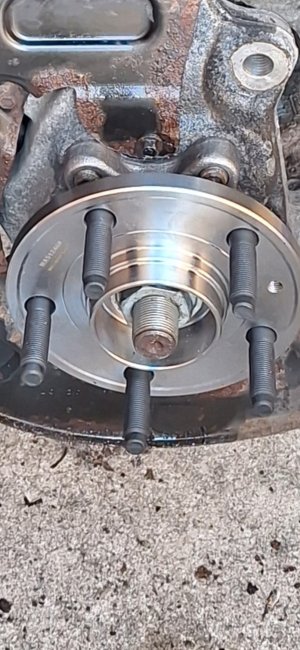
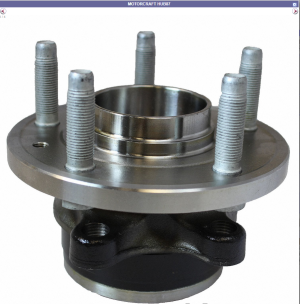
$278 new OEM wheel hub
$25 tax for the above (got a receipt for it)
$180 labor for the mechanic (took up almost 3 hours of his time.. couldn't figure out why the replacement studs didn't fit wheel hub, went to another source and same problem.. realized wheel was aftermarket and needed replacing)
I was hoping to have the problem fixed myself with just the expenses at the top with the gear I already owned!
Odds are that the stud was over-torqued previously and snapped due to this, not your torque wrench. The exception is if the aftermarket hub was a very low quality generic and if it was, odds are it wouldn't have lasted long anyway. At the same time there are several ~$100+ major brand aftermarket hubs that should have fair service live. That's $100 fair market price, not after a shop markup!
You need a new mechanic. The hubs are about $165, not $278. I realize shops need to make a profit and often hide some of that with parts markups, but at the same time, there is mercy on customers and not charging an arm and a leg for what should be a $200 repair including parts. The studs not fitting sounds like a nonsense story to drum up more profit, or a truly incompetent mechanic that bought the wrong studs.
It's a pretty simple thing to extract the old stud, measure it with a caliper, and select a new stud based on the measurement or that of the hub hole. Plus it is not really your (billable) fault if the mechanic did not have common size studs in stock already, so is not going to two different parts stores trying to find what he should already have!
Ford metal is not especially prone to this. I frequent an Explorer forum (and own a 5th gen) and just do not see this problem reported more than once in a blue moon, and it's always due to some aggravating factor like the last shop that touched the studs, using an impact wrench for final (gross over-) torque. This likely isn't a Ford issue at all, any shop can over-torque the studs on any vehicle.
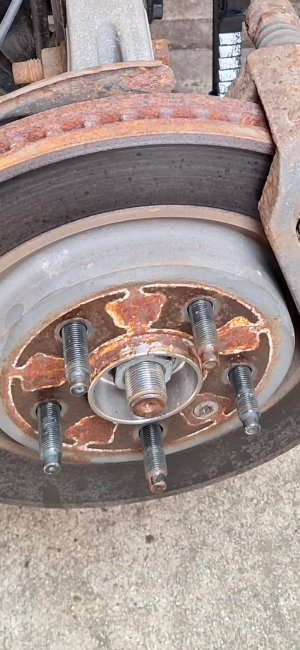
The rotor looks fine. Rust on the end is irrelevant. Extreme rust in the vanes could be a problem if you drive it like you stole it, or haul loads down long mountain roads, in which case an extreme amount of rust can hinder airflow through the cooling vanes, but I've read no report of brake fade to cause focus on this.
Do sand off any corrosion on contact areas and put anti-seize (or silicone paste) on the hub center where it contacts the rotor, and on that area of the wheel. This alone will make rotor wheel removal much easier next time. Reapply that every few years, does not need done with every tire rotation if you're putting thousands of miles on per yer and rotate on a proper schedule.









 Facebook
 Twitter