
-
We’re currently investigating an issue related to the forum theme and styling that is impacting page layout and visual formatting. The problem has been identified, and we are actively working on a resolution. There is no impact to user data or functionality, this is strictly a front-end display issue. We’ll post an update once the fix has been deployed. Thanks for your patience while we get this sorted.
You are using an out of date browser. It may not display this or other websites correctly.
You should upgrade or use an alternative browser.
You should upgrade or use an alternative browser.
Question Alder Lake - Official Thread
Page 110 - Seeking answers? Join the AnandTech community: where nearly half-a-million members share solutions and discuss the latest tech.

igor_kavinski
Lifer
Guess Intel was too busy to run structural simulations for this one. OR they refused to get an AMD CPU to do the job faster.
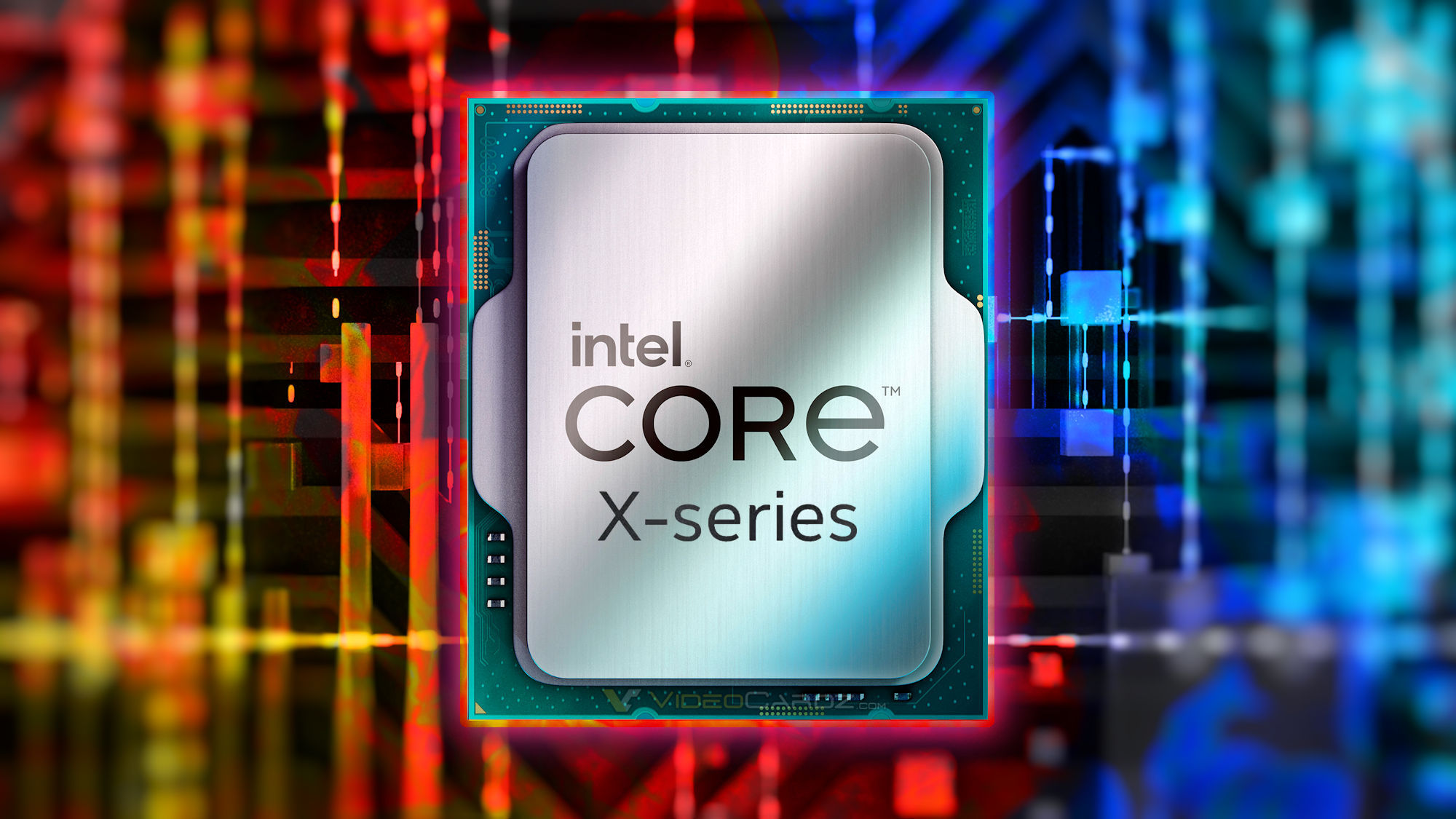
AIDA64 receives preliminary support for Alder Lake-X HEDT/Xeon CPUs - VideoCardz.com
Intel rumored to launch Alder Lake-X series Release notes for the upcoming AIDA64 Extreme Beta suggest Intel might be developing a new X-Series CPUs. There are still more question than answers about Intel’s upcoming Intel HEDT platform. Officially, Intel has not mentioned its Sapphire Rapids-X...
 videocardz.com
There's going to be an Alder Lake-X. Videocardz speculates that it's a single die Sapphire Rapids on LGA 1700. Not the Sapphire Rapids-X HEDT.
Edit: Xeon only most likely but it is possible there is a Core product. Intel obviously needs to slice and dice the Sapphire dies as much as possible.
Last edited:

ashFTW
Senior member
2 die SPR would make more sense with 28-30 cores and 4 memory channels.AIDA64 receives preliminary support for Alder Lake-X HEDT/Xeon CPUs - VideoCardz.com
Intel rumored to launch Alder Lake-X series Release notes for the upcoming AIDA64 Extreme Beta suggest Intel might be developing a new X-Series CPUs. There are still more question than answers about Intel’s upcoming Intel HEDT platform. Officially, Intel has not mentioned its Sapphire Rapids-X...
There's going to be an Alder Lake-X. Videocardz speculates that it's a single die Sapphire Rapids on LGA 1700. Not the Sapphire Rapids-X HEDT.
Edit: Xeon only most likely but it is possible there is a Core product. Intel obviously needs to slice and dice the Sapphire dies as much as possible.
2 die SPR would make more sense with 28-30 cores and 4 memory channels.
That was kind of expectation they would do that and not one die. So we'll see. But it fits with them making Alder Lake support ECC and no Xeon E products.
They could do both. It's like Zen 1.
Thats the one that interests me. Single-die SPR does not move a thing to me as an owner of Skylake-x cpu, granted faster cores, but if that was enough, i could have got 5950x long-time ago. Or now probably better to wait for Zen 4 In such case cause of its. V-cache advantage.2 die SPR would make more sense with 28-30 cores and 4 memory channels.
ashFTW
Senior member
For my personal use, I would love a dual socket SPR based workstation with 56+ cores per socket. Or a similar Threadripper/EPYC. I don’t know if either company or any OEM is planning on offering such a (liquid cooled) workstation configuration.Thats the one that interests me. Single-die SPR does not move a thing to me as an owner of Skylake-x cpu, granted faster cores, but if that was enough, i could have got 5950x long-time ago. Or now probably better to wait for Zen 4 In such case cause of its. V-cache advantage.
igor_kavinski
Lifer
Out of sheer curiosity, what's your use case for a dual socket workstation? The inter socket latency makes me not like them. You must have some application specifically written to take advantage of dual socket configurations and NUMA.For my personal use, I would love a dual socket SPR based workstation with 56+ cores per socket.
For my personal use, I would love a dual socket SPR based workstation with 56+ cores per socket. Or a similar Threadripper/EPYC. I don’t know if either company or any OEM is planning on offering such a (liquid cooled) workstation configuration.
Dell sells Xeon workstations that can be configured to dual processor... but it only goes up to Skylake and friends right now. They probably will refresh it with SPR.
ashFTW
Senior member
Yes,I’m aware. I’ve a query out to them, but haven’t heard back from our rep.Dell sells Xeon workstations that can be configured to dual processor... but it only goes up to Skylake and friends right now. They probably will refresh it with SPR.
ashFTW
Senior member
I build bioinformatics pipelines in Python, R, and Java. Usually I can break work into tons of smaller tasks that each run using 1-8 cores. More cores the better to get the overall work done faster. Currently only one of my Xeon workstation is dual socket (2x12 cores), and so far I haven’t bothered writing NUMA aware code. I’m using 64 core Threadripper for most of my current development.Out of sheer curiosity, what's your use case for a dual socket workstation? The inter socket latency makes me not like them. You must have some application specifically written to take advantage of dual socket configurations and NUMA.
igor_kavinski
Lifer
Couldn't you use something like XtreemOS with cheaper nodes to consolidate their processing power in a distributed fashion?I build bioinformatics pipelines in Python, R, and Java. Usually I can break work into tons of smaller tasks that each run using 1-8 cores. More cores the better to get the overall work done faster. Currently only one of my Xeon workstation is dual socket (2x12 cores), and so far I haven’t bothered writing NUMA aware code. I’m using 64 core Threadripper for most of my current development.

Xtreemos - XtreemOS
Your daily dose of Digital Innovations XtreemOS delivers the latest in digital innovation and web trends straight to you. From cutting-edge marketing strategies to emerging technologies, we break down the news to help you stay ahead in the ever-evolving digital landscape. Join us as we explore...
 www.xtreemos.eu
You could get maybe three or four high end PC's for the same price. Even ECC if you stick to AMD.
ashFTW
Senior member
I have access to large clusters at the university, but I prefer a powerful multiprocessor at my desk. I’ve never heard of XtreemOS, but I’ll check it out. Thanks!Couldn't you use something like XtreemOS with cheaper nodes to consolidate their processing power in a distributed fashion?
Xtreemos - XtreemOS
Your daily dose of Digital Innovations XtreemOS delivers the latest in digital innovation and web trends straight to you. From cutting-edge marketing strategies to emerging technologies, we break down the news to help you stay ahead in the ever-evolving digital landscape. Join us as we explore...
You could get maybe three or four high end PC's for the same price. Even ECC if you stick to AMD.
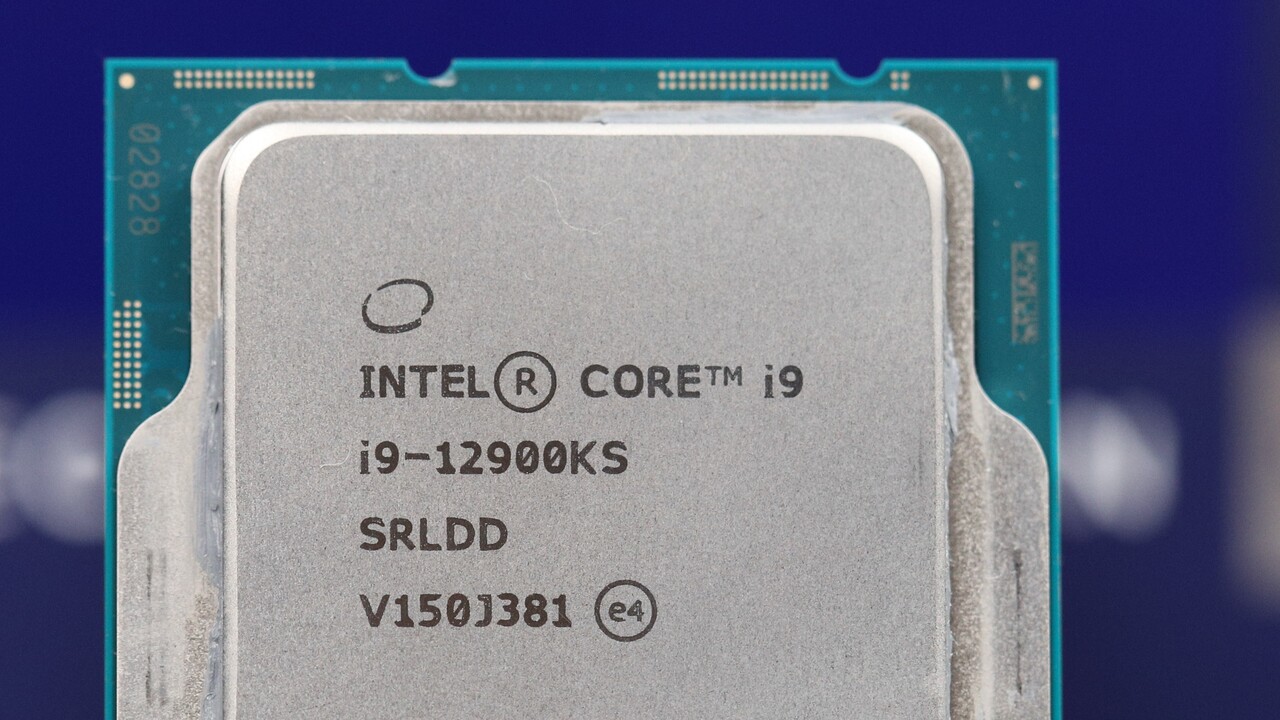
Computerbase review of the 12900KS :
 www.computerbase.de
Basically 250W TDP up from 220W for the 12900K.
Intel Core i9-12900KS im Test
Mit dem Core i9-12900KS wirft Intel kurz vor dem AMD Ryzen 7 5800X3D noch ein neues Topmodell in den Ring. Ein Test voller Extreme.
Basically 250W TDP up from 220W for the 12900K.
Or it could be like the move to thermal paste in Ivy Bridge which caused overheating for some people.Been awhile since I heard about the socket warp issue. Guess we'll just have to see how many Alder Lake sockets start to fail? Might never happen.

DrMrLordX
Lifer
Or it could be like the move to thermal paste in Ivy Bridge which caused overheating for some people.
Possibly. How many cases of that are we really seeing though?

Markfw
Moderator Emeritus, Elite Member
OK, first off this post is asking for any explanation, not a dig on Alder lake, but I am confused. IN DC applications it has been sometimes a little faster, sometimes slower, even as low as 64% of the 5950x per thread. But I am running a new app today, gaia@home. The 7742 EPYC at at a rate of about 4 hours per task. The 5950x is at a little less than 3 hours. The 12700F is at a rate of almost 12 hours !!!! It was running 3.5 ghz ! All of these are linux. So I disabled the e-cores and the remaining 8 cores now run at 4.5 ghz, but the eta has not changed. Well, it was 12 hours, now its 11:40.
So the question is why are they so different ? Others in this app running slower Xeons are getting 3.5 to 4 hours also, even a X5680, 12 year old hex core Zeon ! I know its one app, but this is the ONLY time I have found insane differences in speed from other CPU's.
HELP !!!!
Note this is after the restart, it was on a pace of 12 hour ETA before I disabled the e-cores and had run for 40 minutes, ETA did not change much.
So the question is why are they so different ? Others in this app running slower Xeons are getting 3.5 to 4 hours also, even a X5680, 12 year old hex core Zeon ! I know its one app, but this is the ONLY time I have found insane differences in speed from other CPU's.
HELP !!!!
Note this is after the restart, it was on a pace of 12 hour ETA before I disabled the e-cores and had run for 40 minutes, ETA did not change much.
Tech Junky
Diamond Member
Could be missing some hardware acceleration packages.
Markfw
Moderator Emeritus, Elite Member
All I know is this project only run on linux, and I have applied all patches and updates. But that is certainly reasonable. My kernel is not updated to 5.16 that supports alder lake, its not approved for cinnamon mint. I will look again for any updates its now finds, thanks !Could be missing some hardware acceleration packages.
Edit: in case anyone knows what all this means, this is the linix "stuff"
Linux Mint 20.3 [5.13.0-39-generic|libc 2.31 (Ubuntu GLIBC 2.31-0ubuntu9.7)]
Edit2: The 5950x I am comparing it to is also using the 20.3 mint version (apples to apples)
Last edited:
Tech Junky
Diamond Member
@Markfw

 www.fosslinux.com
Do a manual upgrade or use the app for kernel's. Unlock the ADL!!!! 🙂
BTW I'm n 5.17.3 right now but, 5.18.rcX works as well.
How to upgrade Linux Kernel in Ubuntu and Linux Mint | FOSS Linux
In this article, we are going to discuss two different methods to upgrade the Ubuntu Linux Kernel. The below guide is tested to be working in Ubuntu but should also work on Linux Mint without any issues.
www.fosslinux.com
Do a manual upgrade or use the app for kernel's. Unlock the ADL!!!! 🙂
BTW I'm n 5.17.3 right now but, 5.18.rcX works as well.
Markfw
Moderator Emeritus, Elite Member
Its not available as an approved version. Here are my choices, and I am at the top:@Markfw
How to upgrade Linux Kernel in Ubuntu and Linux Mint | FOSS Linux
In this article, we are going to discuss two different methods to upgrade the Ubuntu Linux Kernel. The below guide is tested to be working in Ubuntu but should also work on Linux Mint without any issues.
Do a manual upgrade or use the app for kernel's. Unlock the ADL!!!! 🙂
BTW I'm n 5.17.3 right now but, 5.18.rcX works as well.

Its not available as an approved version. Here are my choices, and I am at the top:
View attachment 60291
If you want to update to the kernels with ADL support, it won't be officially supported, not for a while at least. This is one of the down sides of Linux and brand new hardware. To be honest, since you really just use the box as a dedicated DC computer, updating the kernel shouldn't be an issue.
OK, I did your procdure, but it still looks the same after a reboot. How do I verify its running 5.17.3 ?
Type "uname -r" in the terminal and it will report back the kernel version.
TRENDING THREADS
-
 Discussion Zen 5 Speculation (EPYC Turin and Strix Point/Granite Ridge - Ryzen 9000)
- Started by DisEnchantment
- Replies: 25K
-
Discussion Intel Meteor, Arrow, Lunar & Panther Lakes + WCL Discussion Threads
- Started by Tigerick
- Replies: 25K
-
 Discussion Intel current and future Lakes & Rapids thread
- Started by TheF34RChannel
- Replies: 24K
-

-
