


Paratus
Lifer
- Jun 4, 2004
- 17,711
- 15,982
- 146
LOL That was my first thought. A rifle that won't fire is a club.
Gotta remember also that the 5.56mm was first selected by the Air Force, a branch unlikely to fire its rifles in battle. I suspect that the 5.56mm was selected as much as possible to forestall adoption of the British .280 (which ironically would make a near-perfect infantry round) and thereby retain NATO leadership for America. Also, the round was selected for general use at a time when we thought typical battle distances would be 100 - 200 meters (basically inside artillery danger close range, otherwise just send a shell) and when our immediate opponents were 100 pound men in light silk. Also need to remember that the original round was only barely stabilized and did horrendous damage. It was only when we over-stabilized the bullet (to add penetration and increase range) and especially went to short barrels that we began to see problems as the bullet no longer tumbled readily.
Wouldn't the need to adjust for wind kind of invalidate this for long range use?
It'll take wind into account if you are or have someone spotting for you:
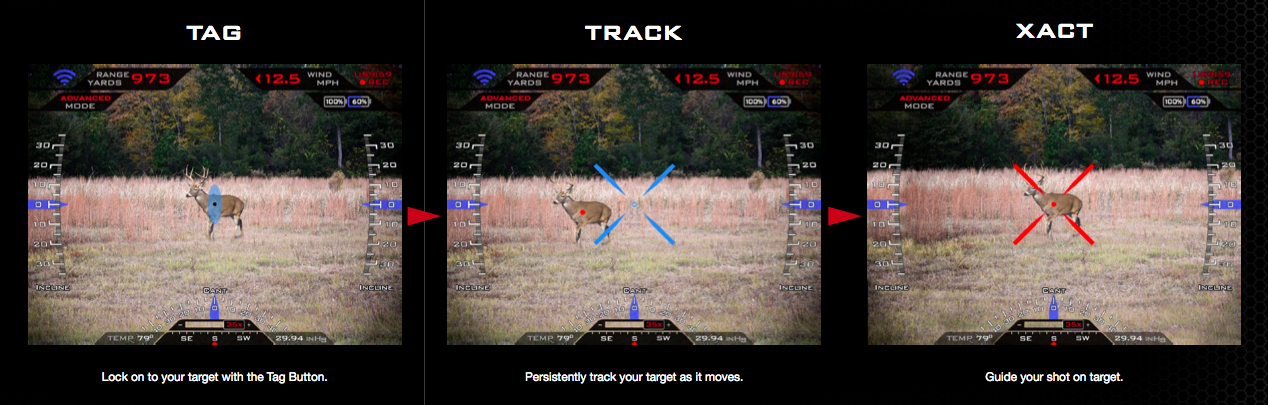
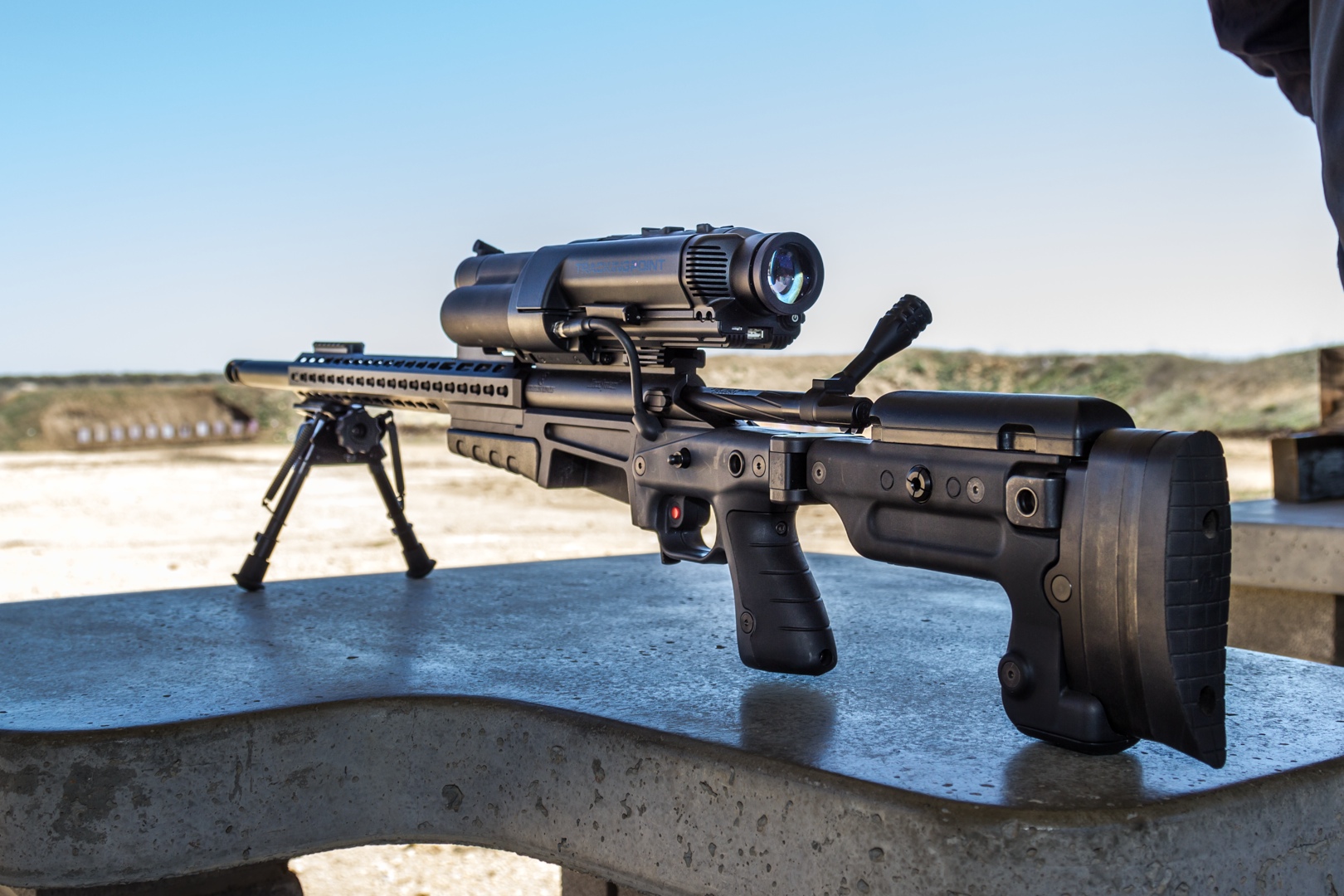
My photographer, Steve, squints through a computerized scope squatting atop a big hunting rifle. We're outdoors at a range just north of Austin, Texas, and the wind is blowing like crazyenough so that we're having to dial in more and more wind adjustment on the rifle's computer. The spotter and I monitor Steve's sight through an iPad linked to the rifle via Wi-Fi, and we can see exactly what he's seeing through the scope. Steve lines up on his target downrangea gently swinging metal plate with a fluorescent orange circle painted at its centerand depresses a button to illuminate it with the rifle's laser.
"Good tag?" he asks, softly.
"Good tag," replies the spotter, watching on the iPad. He leaves the device in my hands and looks through a conventional high-powered spotting scope at the target Steve has selected. The wind stops momentarily. "Send it," he calls out.
Steve pulls the trigger, but nothing immediately happens. On the iPad's screen, his reticle shifts from blue to red and drifts toward the marked target. Even though I'm expecting it, the rifle's report is startling when it fires.
A second later, the spotter calls out, "That's a hit!"
Steve has just delivered a .338 Lapua Magnum round directly onto a target about the size of a big dinner plate at a range of 1,008 yardsthat's ten football fields, or a tick over 0.91 kilometers. It's his very first try. He has never fired a rifle before today.
While military snipers can already out shoot this, allowing noobs to hit targets at over 1000 yards in real conditions is pretty impressive.


 and I'd rather trust myself and my experience than have those thingies take priority over my own situational awareness and burned in target acquisition habits.




 Facebook
 Twitter