
Muse
Lifer
'Cause you were a grown up little guy.I found the Bugs and Daffy cartoons to be hilarious, as a child. If they are produced for adults, why do children find them funny?

'Cause you were a grown up little guy.I found the Bugs and Daffy cartoons to be hilarious, as a child. If they are produced for adults, why do children find them funny?

'Cause you were a grown up little guy.

Wiki says the series was produced from 1930 to 1969. I hadn't realized that it was produced that far back, so thanks for the fact check.

Don't forget Merry Melodies come on Screwy Squirrel.The golden age for Bugs Bunny and Looney Tunes was the 40s and 50s when they were produced as filler for cinemas. Anything outside of that rarely ranks high at all.
All the best episodes that Boomers and Gen Z grew up with are from that era. Everything from the later 50s and 60s was crap intended for children. The material is markedly less funny. The earlier stuff from the 30s is OK, but hadn't matured yet.
I found the Bugs and Daffy cartoons to be hilarious, as a child. If they are produced for adults, why do children find them funny? I think with a lot of cartoons they are made for children as a prime audience, but the writers include jokes that only adults tend to get.
Don't forget Merry Melodies come on Screwy Squirrel.
Anything is funny to a kid. So it's a low bar. Just have funny animals doing looney stuff is enough.
But the jokes are more adult in the early Looney Tunes and when you watch them today, you realize what you didn't get as a kid.
Hmm. I remember loving the Looney Tunes stuff as a kid and no doubt by virtue of their appearance between features in the cinema.The golden age for Bugs Bunny and Looney Tunes was the 40s and 50s when they were produced as filler for cinemas. Anything outside of that rarely ranks high at all.
All the best episodes that Boomers and Gen Z grew up with are from that era. Everything from the later 50s and 60s was crap intended for children. The material is markedly less funny. The earlier stuff from the 30s is OK, but hadn't matured yet.
| 1 | The Big Snooze | Elmer | October 5, 1946 | Bob Clampett | LT |
|---|---|---|---|---|---|
| 2 | Broom-Stick Bunny | Witch Hazel | February 25, 1956 | Chuck Jones | LT |
| 3 | Bugs Bunny Rides Again | Yosemite Sam | June 12, 1948 | Friz Freleng | MM |
| 4 | Bunny Hugged | The Crusher | March 10, 1951 | Chuck Jones | MM |
| 5 | French Rarebit | June 30, 1951 | Robert McKimson | MM | |
| 6 | Gorilla My Dreams | Gruesome Gorilla | January 3, 1948 | Robert McKimson | LT |
| 7 | The Hare-Brained Hypnotist | Elmer | October 31, 1942 | Friz Freleng | MM |
| 8 | Hare Conditioned | August 11, 1945 | Chuck Jones | LT | |
| 9 | The Heckling Hare | Willoughby | July 5, 1941 | Tex Avery | MM |
| 10 | Little Red Riding Rabbit | January 4, 1944 | Friz Freleng | MM | |
| 11 | Tortoise Beats Hare | Cecil | March 15, 1941 | Tex Avery | MM |
| 12 | Rabbit Transit | Cecil | May 10, 1947 | Friz Freleng | LT |
| 13 | Slick Hare | Elmer | November 1, 1947 | Friz Freleng | MM |
| 14 | Baby Buggy Bunny | December 18, 1954 | Chuck Jones | MM | |
| 15 | Hyde and Hare | August 27, 1955 | Friz Freleng | LT |
Hmm. I remember loving the Looney Tunes stuff as a kid and no doubt by virtue of their appearance between features in the cinema.
So, a few years ago I bought two 4-disc sets of Looney Tunes. But I haven't opened the 2nd set because I was disappointed in what I was seeing in the first set. So, I just dusted them off and looking at the packaging I'm seeing nothing to identify when they were created, just boilerplate about them being vintage, restored, blah blah:
Looney Tunes Golden Collection
Looney Tunes Golden Collection Volume Two
Guess I'll have to dig deeper and see if this is the dreaded made-for-kiddies stuff or maybe there's some of the cool made for adults stuff.
Edit: Ah, the Volume Two collection has this...
1 The Big Snooze Elmer October 5, 1946 Bob Clampett LT 2 Broom-Stick Bunny Witch Hazel February 25, 1956 Chuck Jones LT 3 Bugs Bunny Rides Again Yosemite Sam June 12, 1948 Friz Freleng MM 4 Bunny Hugged The Crusher March 10, 1951 Chuck Jones MM 5 French Rarebit June 30, 1951 Robert McKimson MM 6 Gorilla My Dreams Gruesome Gorilla January 3, 1948 Robert McKimson LT 7 The Hare-Brained Hypnotist Elmer October 31, 1942 Friz Freleng MM 8 Hare Conditioned August 11, 1945 Chuck Jones LT 9 The Heckling Hare Willoughby July 5, 1941 Tex Avery MM 10 Little Red Riding Rabbit January 4, 1944 Friz Freleng MM 11 Tortoise Beats Hare Cecil March 15, 1941 Tex Avery MM 12 Rabbit Transit Cecil May 10, 1947 Friz Freleng LT 13 Slick Hare Elmer November 1, 1947 Friz Freleng MM 14 Baby Buggy Bunny December 18, 1954 Chuck Jones MM 15 Hyde and Hare August 27, 1955 Friz Freleng LT
Volume one isn't broken down in a chart, but it says it contains a lot of stuff from the 50's and some from the 40's:
Looney Tunes Golden Collection - Wikipedia
en.wikipedia.org
Having had a mentally handicapped brother. I found that the term actually relate to levels of IQ.

And died. The 9-9-9-Covid-19 plan. He touted probably the worst way to propose to run the federal government: like a fast food advertisement. No intelligence or thought needed for policy, just make it sound good in a TV ad.Herman Cain, who attended the Tulsa rally has tested positive and been hospitalized...
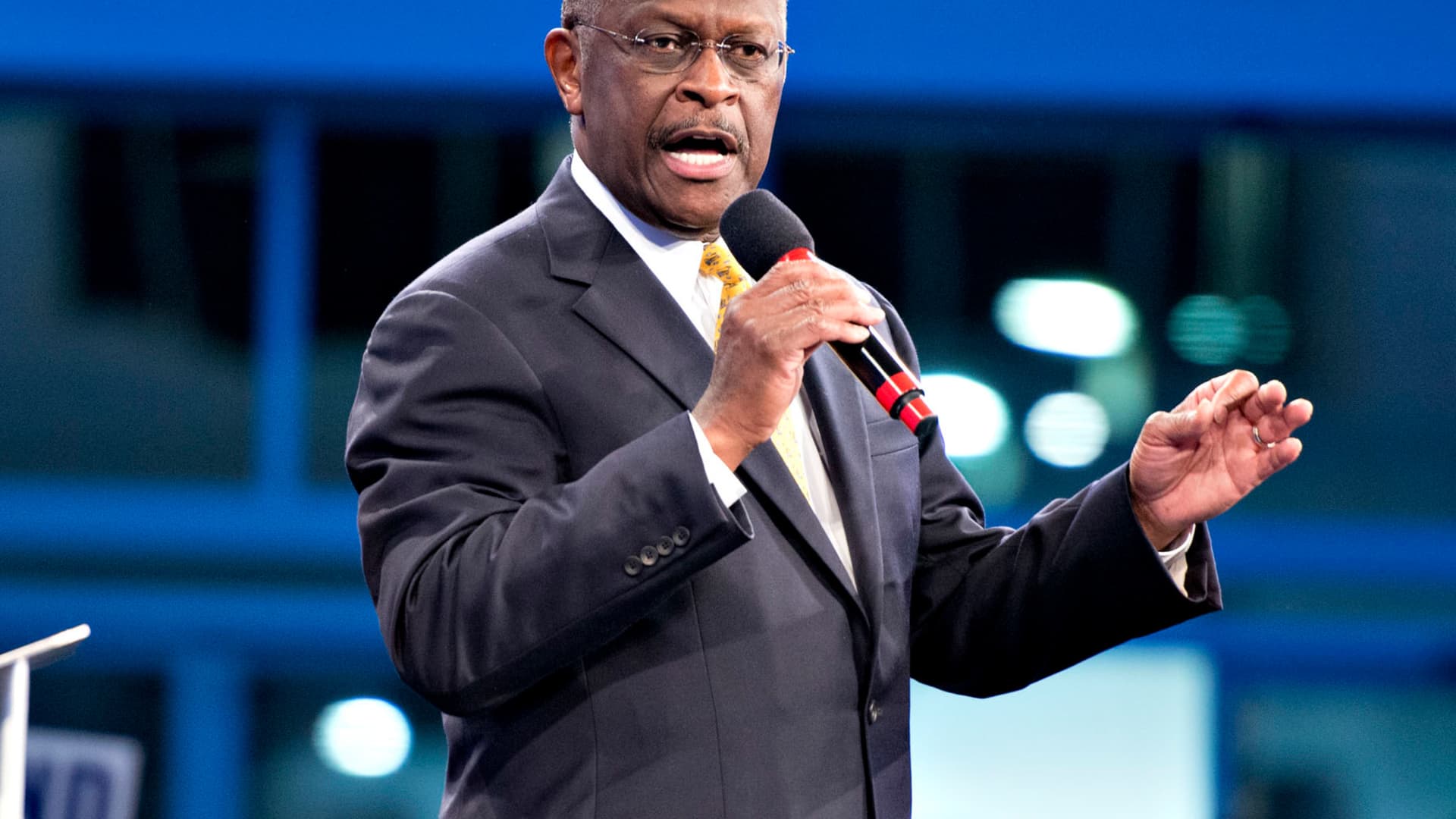
Former GOP presidential candidate Herman Cain hospitalized with Covid-19
Cain was photographed at President Donald Trump's rally in Oklahoma sitting in close proximity with other attendees, none of whom appeared to be wearing masks.www.cnbc.com
 www.reuters.com


