
-
We’re currently investigating an issue related to the forum theme and styling that is impacting page layout and visual formatting. The problem has been identified, and we are actively working on a resolution. There is no impact to user data or functionality, this is strictly a front-end display issue. We’ll post an update once the fix has been deployed. Thanks for your patience while we get this sorted.
You are using an out of date browser. It may not display this or other websites correctly.
You should upgrade or use an alternative browser.
You should upgrade or use an alternative browser.
Music that flipped the script?
Page 3 - Seeking answers? Join the AnandTech community: where nearly half-a-million members share solutions and discuss the latest tech.

Muse
Lifer
I can get to that. I don't dislike their music, but have never bought any of their records. Still, I love some of their songs. I think one of their finest early and super inspired and worked over singles was Help Me Rhonda, will look over their stuff, and may include a track. They were enormously popular in England, I heard.Even though I dislike their music... I would think the Beach Boys deserve to be included as a band that with their "California sound" flipped the script

BurnItDwn
Lifer
Ehh, this is pure opinion, and maybe im biased here ...I could play Black Sabbath for sure. I think Led Zep sort of were on the leading edge of creating metal too. Didn't they preceed Black Sabbath?
Edit: Looking it up, pretty much the same time... 1968.
To me, Led Zep was indeed influential for metal. but were really much more "rock" than Metal IMO.
On the other hand, Black Sabbath is pretty much pure unadulterated, undiluted OG of Heavy Metal. They were, more or less the first Metal band. Their whole catalog is more or less metal.
And yes, I know there has always been heavy sounding music going back as far as humans have recorded or written music.
Muse
Lifer
"OG?" Please demystify that characterization.Ehh, this is pure opinion, and maybe im biased here ...
To me, Led Zep was indeed influential for metal. but were really much more "rock" than Metal IMO.
On the other hand, Black Sabbath is pretty much pure unadulterated, undiluted OG of Heavy Metal. They were, more or less the first Metal band. Their whole catalog is more or less metal.
And yes, I know there has always been heavy sounding music going back as far as humans have recorded or written music.
Well, Led Zep were way way more successful. And way more spectacular. And probably way more influential because of those things. Black Sabbath to my thinking is way more a cult following. Led Zep were pervasive. Nothing like the Beatles who were just spectacular success defined when it comes to bands. Everybody was into the Beatles. If you weren't you were just a weirdo, I guess.

KMFJD
Lifer
White Stripes - the first time i heard them was in 2000-2001 and nothing sounded like them
Rage Against The Machine - there where plenty of rock/rap cross overs before but this changed it, the raw energy and anger of that first album was amazing
Public Enemy - It Takes a Nation of Millions to Hold us back
Rage Against The Machine - there where plenty of rock/rap cross overs before but this changed it, the raw energy and anger of that first album was amazing
Public Enemy - It Takes a Nation of Millions to Hold us back
Muse
Lifer
Yup, I've played all of those on my shows at times. That Public Enemy album, I have. I heard it was their signature album. I've always super loved their super tough masculine high energy sound. They remind me of The Disposable Heroes of Hiphoprisy, Michael Franti's vocals have the same great strength, political punch, great lyrics.White Stripes - the first time i heard them was in 2000-2001 and nothing sounded like them
Rage Against The Machine - there where plenty of rock/rap cross overs before but this changed it, the raw energy and anger of that first album was amazing
Public Enemy - It Takes a Nation of Millions to Hold us back
I've played RATM a few times, love what I played.
White Stripes have been popular on our station and I've liked a lot of there stuff.
Thanks for the suggestions.
The show is 2:45 hours, so I'll be lucky to play 1/2 of what I want to play. I'll run out of time in assembling it and that's that. I figure to finish with at least some of the first movement of Beethoven's 5th symphony, conducted by Arturo Toscanini. If I lose listeners from that, well, it's the end of the show and I won't have lost them before! A 15 minute newscast follows my show on 10/21.
BurnItDwn
Lifer
Also, if you want stuff thats really really really "out there" ... with no co
Zep had great songwriting, great musicianship, and were fantasticly successful indeed.
Black Sabbath more or less didnt know what they were doing at first, and in their figuring out what they were doing, they sort of fell into a new genre of music that was a bit louder, a bit brasher, and a bit darker than what came before. They stood on the shoulders of giants. but, they were the bridge from hard rock to heavy metal.
sorry, OG = slang for Original Gangster ... essentially its 80s slang for old school ..."OG?" Please demystify that characterization.
Well, Led Zep were way way more successful. And way more spectacular. And probably way more influential because of those things. Black Sabbath to my thinking is way more a cult following. Led Zep were pervasive. Nothing like the Beatles who were just spectacular success defined when it comes to bands. Everybody was into the Beatles. If you weren't you were just a weirdo, I guess.
Zep had great songwriting, great musicianship, and were fantasticly successful indeed.
Black Sabbath more or less didnt know what they were doing at first, and in their figuring out what they were doing, they sort of fell into a new genre of music that was a bit louder, a bit brasher, and a bit darker than what came before. They stood on the shoulders of giants. but, they were the bridge from hard rock to heavy metal.
Muse
Lifer
Yeah, actually I forgot. A black guy called me OG one time in the gym and told me it was very much a compliment. Must be 3-4 years ago and I forgot.Also, if you want stuff thats really really really "out there" ... with no co
sorry, OG = slang for Original Gangster ... essentially its 80s slang for old school ...

IronWing
No Lifer
That's not what it means.Yeah, actually I forgot. A black guy called me OG one time in the gym and told me it was very much a compliment. Must be 3-4 years ago and I forgot.
Muse
Lifer
No, in the context, it was a compliment. Anyway, don't remember, but I knew it was a compliment under the circumstances.That's not what it means.
Muse
Lifer
Actually, TBH, I'm guessing Sabbath gets a lot more airplay on our station than Zep, much more respect. Not that we abhor Zep, we have their stuff in the library. However I've played Zep 39 times and Sabbath 12 times.Zep had great songwriting, great musicianship, and were fantasticly successful indeed.
Black Sabbath more or less didnt know what they were doing at first, and in their figuring out what they were doing, they sort of fell into a new genre of music that was a bit louder, a bit brasher, and a bit darker than what came before. They stood on the shoulders of giants. but, they were the bridge from hard rock to heavy metal.

DigDog
Lifer
@BurnItDwn
DigDog approves
DigDog approves
DigDog
Lifer
i am a sort of pariah in the guitar playin' world because i was never fond of Zeppelin. They really are waaaay down in my list of good music bads. I find their rock to be super bland and boring - although i did like Stairway To Heaven for, like, 6 months. And probably Immigrant Song doesn't suck much. But the rest of the repertoire is just yawn after yawn.
But then again i also don't like the Stones, either. I do recognize these were two supergroups at the time, and maybe they should be judged in context, but i wasn't born yet.
Sabbath, however, were awasome. Nowhere near as skilled as musicians, but defo more inventive, innovative, and also, just a great good deal of really good songs.
Fun fact. Both Zeppelin and Sabbath own much of their success at having had really good roadies, so to speak. They both became memorable due to their sound systems being far superior to what most other bands had at the time - not that successful bands couldn't afford MOAR SPEAKERZ, they just didn't think they needed them.
Anyway, from a purely musical point of view, i find Hendrix was the real champion in the 60s. His music is innovative, highly technical, incredibly well performed, and - they are good songs. I do in fact need to reiterate this because, on the other hand you have people like Paul Gilbert, great guy, excellent technical player, but he can't write a good song to save his life.
Hendrix died waay too soon, and that was a real tragedy, as i know he would have contributed so much to modern music. To me, Hendrix is where modern rock music starts. Not the beatles, not the beach boys, not Zappa.
Now, Sabbath, they were not the first to incorporate horror in performance; the Grand Guignol was doing it a hundred years earlier - i'm sure there's other examples - but the idea to mix rock music and what is essentially a horror film's sound is very, very innovative for a time period when "i want to hold your hand" was a cultural leader. I mean, those guys grew up with songs like Peggy Sue I want To Marry You.
I also really like that they used difficult but important themes - the horrors of war, dangers of alcohol and drug abuse, isolation, greed, betrayal, and all those other negative emotions that came out of the post-american-dream period of the late 50s.
fun fact 1: Sabbath were initially called Earth; and there is audio of them doing an absolutely atrocious cover of Blue Suede Shoes.
fun fact 2: "Paranoid" almost didn't exist (and without it, probably, their entire career). They were done cutting the second album and one side of the record was too short by 3 minutes. Tony Iommi just cracked out Paranoid right there and then out of the blue, and Ozzy wrote the lyrics in a few minutes, "reading them as he was singing".
So Sabbath created the idea - at least in our time - that music doesn't have to sound "nice" to be good. It can sound "bad, evil" and that negative emotions are just as important.
To me, Metal is anger being put into music. If you look at the material that metal bands put out, it's all protest stuff: against pollution, war, greed, oppression .. Metal is actually very NICE music, it just doesn't *sound* nice. Likely it was embraced as a rejection of the previous Hippy generation, who protested much but accomplished nothing.
But then again i also don't like the Stones, either. I do recognize these were two supergroups at the time, and maybe they should be judged in context, but i wasn't born yet.
Sabbath, however, were awasome. Nowhere near as skilled as musicians, but defo more inventive, innovative, and also, just a great good deal of really good songs.
Fun fact. Both Zeppelin and Sabbath own much of their success at having had really good roadies, so to speak. They both became memorable due to their sound systems being far superior to what most other bands had at the time - not that successful bands couldn't afford MOAR SPEAKERZ, they just didn't think they needed them.
Anyway, from a purely musical point of view, i find Hendrix was the real champion in the 60s. His music is innovative, highly technical, incredibly well performed, and - they are good songs. I do in fact need to reiterate this because, on the other hand you have people like Paul Gilbert, great guy, excellent technical player, but he can't write a good song to save his life.
Hendrix died waay too soon, and that was a real tragedy, as i know he would have contributed so much to modern music. To me, Hendrix is where modern rock music starts. Not the beatles, not the beach boys, not Zappa.
Now, Sabbath, they were not the first to incorporate horror in performance; the Grand Guignol was doing it a hundred years earlier - i'm sure there's other examples - but the idea to mix rock music and what is essentially a horror film's sound is very, very innovative for a time period when "i want to hold your hand" was a cultural leader. I mean, those guys grew up with songs like Peggy Sue I want To Marry You.
I also really like that they used difficult but important themes - the horrors of war, dangers of alcohol and drug abuse, isolation, greed, betrayal, and all those other negative emotions that came out of the post-american-dream period of the late 50s.
fun fact 1: Sabbath were initially called Earth; and there is audio of them doing an absolutely atrocious cover of Blue Suede Shoes.
fun fact 2: "Paranoid" almost didn't exist (and without it, probably, their entire career). They were done cutting the second album and one side of the record was too short by 3 minutes. Tony Iommi just cracked out Paranoid right there and then out of the blue, and Ozzy wrote the lyrics in a few minutes, "reading them as he was singing".
So Sabbath created the idea - at least in our time - that music doesn't have to sound "nice" to be good. It can sound "bad, evil" and that negative emotions are just as important.
To me, Metal is anger being put into music. If you look at the material that metal bands put out, it's all protest stuff: against pollution, war, greed, oppression .. Metal is actually very NICE music, it just doesn't *sound* nice. Likely it was embraced as a rejection of the previous Hippy generation, who protested much but accomplished nothing.
Muse
Lifer
Well, @DigDog, IMO your right enough about some things, but blind to a lot, deaf too. There's a real and meaningful reason why the Stones were called the greatest rock and roll band of all time again and again and again. You can't get to them. Born too late. All right, but you have a big blind spot there. Also, you obviously can't get to the Beatles. Hendrix was a giant but there are other giants you don't appreciate. Your idea that the "Hippy generation" accomplished nothing is pathetic. It's not unusual. A lot of people who were born too late to get into the 60's scene except as an expansion of their artistic universe have rejected them outright. That is not to their credit, and that assessment is "kind." Nothing unusual. Sanity is a rare commodity on earth.
DigDog
Lifer
oh don't get me wrong - the metal generation didn't accomplish anything either.
I *do* like the beatles, but i specifically like the "i want to hold your hand" period. Because i am a musician, i divide music into - broadly - two categories: difficult music, and silly music.So i like their early songs because they were bouncy, happy, poppy songs.
In fact, i think that Beatallica have adapted them brilliantly:
The Stones could be excused if they had come 10 years earlier. They are otherwise some of the most boring and bad music that ever had success. Mandy, Ruby Tuesday make me want to shoot myself.
You tell me that i wasn't there; but from what *i* know of that time period, a number of bands owe their success just to the fact that they could play. The late 50s were still a difficult period in Europe and a lot of working people couldn't even afford to save for a guitar, much less put together a band.
See, while i do value the creativity of rock, i also know that experiemental music existed since waaaay early. I don't blame the rockers because, it's not like you grew up in the 40s being expected to know about Rumorismo or 12-tone.
The stones are fine, i'm fine if the kids like them, but it's not stuff for me. They get no credit from me at all, because they don't deserve any.
i need to go out but when im back ill explain the transaction between big band, jazz and then rock.
I *do* like the beatles, but i specifically like the "i want to hold your hand" period. Because i am a musician, i divide music into - broadly - two categories: difficult music, and silly music.So i like their early songs because they were bouncy, happy, poppy songs.
In fact, i think that Beatallica have adapted them brilliantly:
You tell me that i wasn't there; but from what *i* know of that time period, a number of bands owe their success just to the fact that they could play. The late 50s were still a difficult period in Europe and a lot of working people couldn't even afford to save for a guitar, much less put together a band.
See, while i do value the creativity of rock, i also know that experiemental music existed since waaaay early. I don't blame the rockers because, it's not like you grew up in the 40s being expected to know about Rumorismo or 12-tone.
The stones are fine, i'm fine if the kids like them, but it's not stuff for me. They get no credit from me at all, because they don't deserve any.
i need to go out but when im back ill explain the transaction between big band, jazz and then rock.
DigDog
Lifer
Whenever anyone talks about the evolution of music it is important to both consider them as for-profit products, and the consideration of the general public. You don't compare apples to apples between Mozart and Burt Bacharach. "Success" is a measure that must be taken into consideration.
Before WW1 the predominant style of music was Big Band.
This was considered the fancy, party music that you'd hear out of the wireless, in shopping malls, whenever commercial interests were present. Now, this is a time period where each nation, each part of each nation had its own music, so what you'd hear in N'Orleans wasn't what you'd hear in Milano, Globalization wasn't a thing.
The post war period brought an abundance of cheap musical instruments to people who were otherwise destitute. Trying to recreate the Big Band sound with a smaller group, no musical education and no sheet music is what led to the explosion of Jazz.
All throughout the 20s and 30s you'd have a number of competing styles of music that had both their own demographics and their social place; so, classical music was still being played in certain situations, old'timey had its own place, swing is what you'd hear in a dance club, and so on.
If you'll allow me, i will try to avoid the specifics of "what makes a certain type of music THAT type of music". There arew technical differences between Swing, BB, Jazz, Blues, that are relevant to this discussion, but i'd rather not have to write a book.
However one thing that is important to say is that in the evolution of music, two common factors happen constantly: music tries to get more complex, and once it becomes too complex, a simpler form emerges.
In Big Band you'd have these carefully written, carefully rehearsed mini-solos that will become the basis of improvisation in Jazz. Eventually Jazz will self-destruct *because* of the exceptional complexity and a new style will emerge.
Blues is at the root of rock. Three chords, mostly I / IV / V. A solid chunk of blues songs use the same exact chord progression. These 3 chords are made up of either 3 or 4 notes, the 1/3/5/7 of the scale.
Eventually this got boring, and people started adding tensions, 9 / 11 / 13. Except that the higher you go, the closer you get to the root note. 13 is the 7th of the root, which creates dissonance. Today we appreciate dissonance very much, but it was not always so. Diabulus In Musica was something you could get arrested for in the middle ages, so don't dismiss this as a minor change.
Obviously in the world of classical music this had been taking place already. Schoenberg's pieces are from the beginning of the century, but they were not something that you'd hear broadcast on the radio, but rather performed exclusively as experiemental pieces in private settings.
Tensions also imply that you can exit a chord, and chromaticism is very much at the heart of modern jazz. Well, early modern jazz, we've moved on since.
Blues did have one dissonant note, the "blue" note. That's the passing note between the 4th and 5th of the scale.
For twenty years Jazz took the world by storm. It was both the music of the elite and of the downtrodden - but keep in mind what said before, other styles were still very much happening. Charlie Parker was the symbol of an era, but at the same time simpler styles were still being played, aired, recorded. This is very relevant because the next musical giant will emerge not from Jazz, but from simple blues music.
Here is Confirmation from 1945:
We'll see more of that in about 15 years but for now this is enough.
cont'.
Before WW1 the predominant style of music was Big Band.
The post war period brought an abundance of cheap musical instruments to people who were otherwise destitute. Trying to recreate the Big Band sound with a smaller group, no musical education and no sheet music is what led to the explosion of Jazz.
All throughout the 20s and 30s you'd have a number of competing styles of music that had both their own demographics and their social place; so, classical music was still being played in certain situations, old'timey had its own place, swing is what you'd hear in a dance club, and so on.
If you'll allow me, i will try to avoid the specifics of "what makes a certain type of music THAT type of music". There arew technical differences between Swing, BB, Jazz, Blues, that are relevant to this discussion, but i'd rather not have to write a book.
However one thing that is important to say is that in the evolution of music, two common factors happen constantly: music tries to get more complex, and once it becomes too complex, a simpler form emerges.
In Big Band you'd have these carefully written, carefully rehearsed mini-solos that will become the basis of improvisation in Jazz. Eventually Jazz will self-destruct *because* of the exceptional complexity and a new style will emerge.
Blues is at the root of rock. Three chords, mostly I / IV / V. A solid chunk of blues songs use the same exact chord progression. These 3 chords are made up of either 3 or 4 notes, the 1/3/5/7 of the scale.
Eventually this got boring, and people started adding tensions, 9 / 11 / 13. Except that the higher you go, the closer you get to the root note. 13 is the 7th of the root, which creates dissonance. Today we appreciate dissonance very much, but it was not always so. Diabulus In Musica was something you could get arrested for in the middle ages, so don't dismiss this as a minor change.
Obviously in the world of classical music this had been taking place already. Schoenberg's pieces are from the beginning of the century, but they were not something that you'd hear broadcast on the radio, but rather performed exclusively as experiemental pieces in private settings.
Tensions also imply that you can exit a chord, and chromaticism is very much at the heart of modern jazz. Well, early modern jazz, we've moved on since.
Blues did have one dissonant note, the "blue" note. That's the passing note between the 4th and 5th of the scale.
For twenty years Jazz took the world by storm. It was both the music of the elite and of the downtrodden - but keep in mind what said before, other styles were still very much happening. Charlie Parker was the symbol of an era, but at the same time simpler styles were still being played, aired, recorded. This is very relevant because the next musical giant will emerge not from Jazz, but from simple blues music.
Here is Confirmation from 1945:
cont'.
DigDog
Lifer
Jazz had been raging for 30 years, and it was starting to become .. just plain old difficult. Today you don't pick up a guitar and strum out to Through The Fire And The Flames.
Instead this guy went into a recording studio on his own dime and cut a blues song. Pay attention to the chord changes:
This is 1954. Frank Zappa has been playing music for 2 years already, albeit Blues only. Incidentally, Keith Richards would soon start playing blues as well.
Elvis was the fulcrum of the turning point of the music industry. The focus shifted from the performance, and the music, to the artist. The artist's image itself was the selling point.
Elvis generated an approximated revenue of 600 million dollars, twice as much as Madonna and 30 years earlier.
See, this is relevant because this is the point where influence is no longer attributed exclusively to music, but rather to music as a commercial product.
And Elvis had everything. It had that hoppy beat that the blues and jazz had, it had the clear sound of the barbershop, and the music was simple. You didn't need to be a musician to enjoy Elvis, and everyone in the family could listen to him, kids and grandparents. By 1957's Ed Sullivan appearance, the world had its first musical superstar. Sure Charlie Parker was being flown to Paris 30 years earlier, but so people could LISTEN to him. Elvis was being flown around so people could SEE him.
This is the turning point where music starts to not matter so much as the image.
"Back home" a popular style was Skiffle. Here's 1959's Battle Of New Orleans, by Lonnie Donegan:
Thinking of anything?
Once again, you have to keep in mind that multiple musical styles exist at the same time. It's silly to say "Elvis invented rock music" when Buddy Holly was playing electric guitar at the same time and, arguably, with just as much success. It will become relevant, for example, that at this time in the US, folk music is still extremely popular, when we discuss why the hippies didn't amount to anything.
Instead this guy went into a recording studio on his own dime and cut a blues song. Pay attention to the chord changes:
This is 1954. Frank Zappa has been playing music for 2 years already, albeit Blues only. Incidentally, Keith Richards would soon start playing blues as well.
Elvis was the fulcrum of the turning point of the music industry. The focus shifted from the performance, and the music, to the artist. The artist's image itself was the selling point.
Elvis generated an approximated revenue of 600 million dollars, twice as much as Madonna and 30 years earlier.
See, this is relevant because this is the point where influence is no longer attributed exclusively to music, but rather to music as a commercial product.
And Elvis had everything. It had that hoppy beat that the blues and jazz had, it had the clear sound of the barbershop, and the music was simple. You didn't need to be a musician to enjoy Elvis, and everyone in the family could listen to him, kids and grandparents. By 1957's Ed Sullivan appearance, the world had its first musical superstar. Sure Charlie Parker was being flown to Paris 30 years earlier, but so people could LISTEN to him. Elvis was being flown around so people could SEE him.
This is the turning point where music starts to not matter so much as the image.
"Back home" a popular style was Skiffle. Here's 1959's Battle Of New Orleans, by Lonnie Donegan:
Thinking of anything?
Once again, you have to keep in mind that multiple musical styles exist at the same time. It's silly to say "Elvis invented rock music" when Buddy Holly was playing electric guitar at the same time and, arguably, with just as much success. It will become relevant, for example, that at this time in the US, folk music is still extremely popular, when we discuss why the hippies didn't amount to anything.
Last edited:
DigDog
Lifer
Notice how this music was happening 15 years after everyone was being crazy about Jazz, a style whose own performers were so enamored with because of the musical complexity, but instead now everything's simpler.
Well, there was a famous British band who played Skiffle. Here's them playing a cover of the Islay Brothers's 1961 hit single; please stop me when you think you hear rock music.
Once again you have a band that is incredibly easy to market, sounds great - recorded in stereo!! - and are easily manipulated, the perfect sum of ingredients that a record label needs to earn a ton of money. The Beatles absolutely dominated the market for 10 years, being often cited as the most important bad in the world. Where the word "world" means "money".
Now we have to backtrack. Soon there will be the summer of love, the swan song of the hippy culture. Hippies, despite their wide-ranging musical tastes, are not an offshoot of rock music, but rather of american folk music. I'm gonna paste Wikipedia here because AFM is such a huge thing that it would be impossible to summarize it - it is also something that i do not have enough knowledge of to speak confidently of it: https://en.wikipedia.org/wiki/American_folk_music
The hippie movement is rooted in the post-WW2 success of america and the American Dream. There was an expectation that life would continue henceforth with everyone living quietly and happily without concerns for war, discomfort, or poverty. The 1950s were an era where everything came together, technologies were improving every day, new medicines, new creature comforts, political stability, economic boom, and it was ok for families to not restrict their children - where is the pressure to succeed, if you've already won?
Wikipedia has an interesting page named The San Francisco Renaissance: https://en.wikipedia.org/wiki/San_Francisco_Renaissance
This was a period of such .. luxury, where people could afford themselves the freedom to dedicate to cultural pastimes and that which was exotic was seen as culturally superior. Thus poetry, esoteric religions, spiritual beliefs, (in short: bullshit) and obviously, music.
Keep in mind that the First World had been awash in drugs since the 1800s. Napoleon's troops returning from Egypt brought along large quantities of opium and hashish, popularizing the drugs' use in the capital. The books Confessions Of An English Opium Eater in 1821 and The Hashish Eater in 1857 spread it through the european culture. Keep in mind that Paris was very much the cultural capital of the world, not London (and Rome was in ruins).
It was not the hippie movement that entered drug use into popular culture; see The Great Binge: https://en.wikipedia.org/wiki/The_Great_Binge
Casual drug use was widespread up until WW1. As there was no stigma attached to it, using and not using were just as equivalent as today drinking and not drinking. The hippies did't invent taking acid, they just took it up as something that was already present.
So, what is exactly the hippie movement? Wikipedia put it down to a specific moment in time when Beatniks chanted with Ginsberg, but that was already 1967. The origin is more rooted in that previously described period of happiness when some of those free roaming kids got less fortunate than others, met those who were less fortunate themselves, and started incorporating into their culture the songs that described strife instead of joy. Just as Metal describes rebellion to oppression, hippie music describes suffering and escapism from the suffering. Or self-centered happiness, too. What i'm saying is that the hippie movement IS the american folk music movement. There is no moment of division between these two, they just incorporated new artists as they emerged.
And the reason why "flower power" people dressed the way they did - a major draw of the hippie movement - was because, due to the postwar stability, they "did not need to prove that they were decent people", as opposed to the pre-WW2, post Black Friday era, so they could well dress as they pleased. It was not due to the drugs.
Again, because they were so content (most of them, anyway), they had no problem rejecting wealth, industrialization, big business, or just simply the idea that one needs to be "successful" in life. This is an important point because it is at the root of "the greatest betrayal of the history of rock", specifically Bob Dylan's 1965 concert where he abandoned the folk guitar for the electric guitar, causing people to walk out and try to boo him out, because, essentially, money had arrived. By 1965 the soon to be born hippie movement was already dying.
Well, there was a famous British band who played Skiffle. Here's them playing a cover of the Islay Brothers's 1961 hit single; please stop me when you think you hear rock music.
Once again you have a band that is incredibly easy to market, sounds great - recorded in stereo!! - and are easily manipulated, the perfect sum of ingredients that a record label needs to earn a ton of money. The Beatles absolutely dominated the market for 10 years, being often cited as the most important bad in the world. Where the word "world" means "money".
Now we have to backtrack. Soon there will be the summer of love, the swan song of the hippy culture. Hippies, despite their wide-ranging musical tastes, are not an offshoot of rock music, but rather of american folk music. I'm gonna paste Wikipedia here because AFM is such a huge thing that it would be impossible to summarize it - it is also something that i do not have enough knowledge of to speak confidently of it: https://en.wikipedia.org/wiki/American_folk_music
The hippie movement is rooted in the post-WW2 success of america and the American Dream. There was an expectation that life would continue henceforth with everyone living quietly and happily without concerns for war, discomfort, or poverty. The 1950s were an era where everything came together, technologies were improving every day, new medicines, new creature comforts, political stability, economic boom, and it was ok for families to not restrict their children - where is the pressure to succeed, if you've already won?
Wikipedia has an interesting page named The San Francisco Renaissance: https://en.wikipedia.org/wiki/San_Francisco_Renaissance
This was a period of such .. luxury, where people could afford themselves the freedom to dedicate to cultural pastimes and that which was exotic was seen as culturally superior. Thus poetry, esoteric religions, spiritual beliefs, (in short: bullshit) and obviously, music.
Keep in mind that the First World had been awash in drugs since the 1800s. Napoleon's troops returning from Egypt brought along large quantities of opium and hashish, popularizing the drugs' use in the capital. The books Confessions Of An English Opium Eater in 1821 and The Hashish Eater in 1857 spread it through the european culture. Keep in mind that Paris was very much the cultural capital of the world, not London (and Rome was in ruins).
It was not the hippie movement that entered drug use into popular culture; see The Great Binge: https://en.wikipedia.org/wiki/The_Great_Binge
Casual drug use was widespread up until WW1. As there was no stigma attached to it, using and not using were just as equivalent as today drinking and not drinking. The hippies did't invent taking acid, they just took it up as something that was already present.
So, what is exactly the hippie movement? Wikipedia put it down to a specific moment in time when Beatniks chanted with Ginsberg, but that was already 1967. The origin is more rooted in that previously described period of happiness when some of those free roaming kids got less fortunate than others, met those who were less fortunate themselves, and started incorporating into their culture the songs that described strife instead of joy. Just as Metal describes rebellion to oppression, hippie music describes suffering and escapism from the suffering. Or self-centered happiness, too. What i'm saying is that the hippie movement IS the american folk music movement. There is no moment of division between these two, they just incorporated new artists as they emerged.
And the reason why "flower power" people dressed the way they did - a major draw of the hippie movement - was because, due to the postwar stability, they "did not need to prove that they were decent people", as opposed to the pre-WW2, post Black Friday era, so they could well dress as they pleased. It was not due to the drugs.
Again, because they were so content (most of them, anyway), they had no problem rejecting wealth, industrialization, big business, or just simply the idea that one needs to be "successful" in life. This is an important point because it is at the root of "the greatest betrayal of the history of rock", specifically Bob Dylan's 1965 concert where he abandoned the folk guitar for the electric guitar, causing people to walk out and try to boo him out, because, essentially, money had arrived. By 1965 the soon to be born hippie movement was already dying.
DigDog
Lifer
I imagine that gentlemen as cultured as yourselves are familiar with Phish, the spiritual successors of The Grateful Dead. All that style of soft rock that is described as "Americana", such as The Eagles.
Hippies still exist TODAY. So does baroque music. It's just that these styles do not exist as a cultural movement anymore. And what kills a cultural movement is always, always, ALWAYS money.
Bob Dylan turning up in leather jacket and electric guitar was the end of an era, because electric made mo mony. The Beatles were great because they made mo mony. Elvis was great because he made mo mony. Zappa didnt make no mony so he's an obscure musician that only weird people have an interest in. Metallica were nobody when they published Master Of Puppets and Justice For All, two of the greatest albums of the history of music, but they became super-super famous when they got Bob Rock to produce that pile of shit which is The Black Album BECAUSE MO MONY.
Jazz self-distructed because there was just no way for anyone who wanted to make MO MONY to keep up. Look at this fucking shit:
How you gon' lern that. I've played for a number of years and it boggles my mind how ridiculously hard it is to even keep up with it, much less improve on it. In fact, having been a student at Berklee College Of All Music But Actually Only Jazz Really and involved with a number of artists (some on Blue Note) i can tell you that incredibly talented musicians today make absolutely no money because MUSIC itself is no longer a product.
Now, i don't want to discredit every famous musician out there. I appreciate that a good song is a good song, i love rock, i'm not saying that Queen are bad because *some guy* in a basement is a better piano player than Freddie, but aside from recognizing the success that a commercial product may have had, i look at these two things:
1. how difficult was it for them to create that product
2. and that's it.
Sometimes you don't need skill, you just need the nerve, invention, or exasperation to move in a different direction. Sometimes you need a lot of skill. And, i consider music production to be a skill in of itself, i cannot tell you how much i hated growing up in the 80s for the terrible sound quality of the music around me. Specifically the Rolling Stones, i don't think they deserve a lot more credit than:
1. dressing properly
2. being there
3. mick jagger making chicks hot
I cannot take responsibility for people liking one type of music over another. I mean, this was happening in 1969 (full concert: https://www.dailymotion.com/video/x3272u7 )
If you'd rather be listening to Gimme Shelter, that's not on me.
I'll leave you with a quote from the famous philosopher Diggus Doggus: "if popularity matters, mcDonalds is the world's best restaurant".
Hippies still exist TODAY. So does baroque music. It's just that these styles do not exist as a cultural movement anymore. And what kills a cultural movement is always, always, ALWAYS money.
Bob Dylan turning up in leather jacket and electric guitar was the end of an era, because electric made mo mony. The Beatles were great because they made mo mony. Elvis was great because he made mo mony. Zappa didnt make no mony so he's an obscure musician that only weird people have an interest in. Metallica were nobody when they published Master Of Puppets and Justice For All, two of the greatest albums of the history of music, but they became super-super famous when they got Bob Rock to produce that pile of shit which is The Black Album BECAUSE MO MONY.
Jazz self-distructed because there was just no way for anyone who wanted to make MO MONY to keep up. Look at this fucking shit:
Now, i don't want to discredit every famous musician out there. I appreciate that a good song is a good song, i love rock, i'm not saying that Queen are bad because *some guy* in a basement is a better piano player than Freddie, but aside from recognizing the success that a commercial product may have had, i look at these two things:
1. how difficult was it for them to create that product
2. and that's it.
Sometimes you don't need skill, you just need the nerve, invention, or exasperation to move in a different direction. Sometimes you need a lot of skill. And, i consider music production to be a skill in of itself, i cannot tell you how much i hated growing up in the 80s for the terrible sound quality of the music around me. Specifically the Rolling Stones, i don't think they deserve a lot more credit than:
1. dressing properly
2. being there
3. mick jagger making chicks hot
I cannot take responsibility for people liking one type of music over another. I mean, this was happening in 1969 (full concert: https://www.dailymotion.com/video/x3272u7 )
I'll leave you with a quote from the famous philosopher Diggus Doggus: "if popularity matters, mcDonalds is the world's best restaurant".

EliteRetard
Diamond Member
Somebody already mention "Kraftwerk" on the first page, I'll mention them again.
Pretty sure they were the major player that popularized electronic/techno.
Most people I know have never heard of them.
-----
On a "similar" note, what about "Nightwish"?
I feel like they started the sort of "folk / gothic rock / techno".
 www.youtube.com
-----
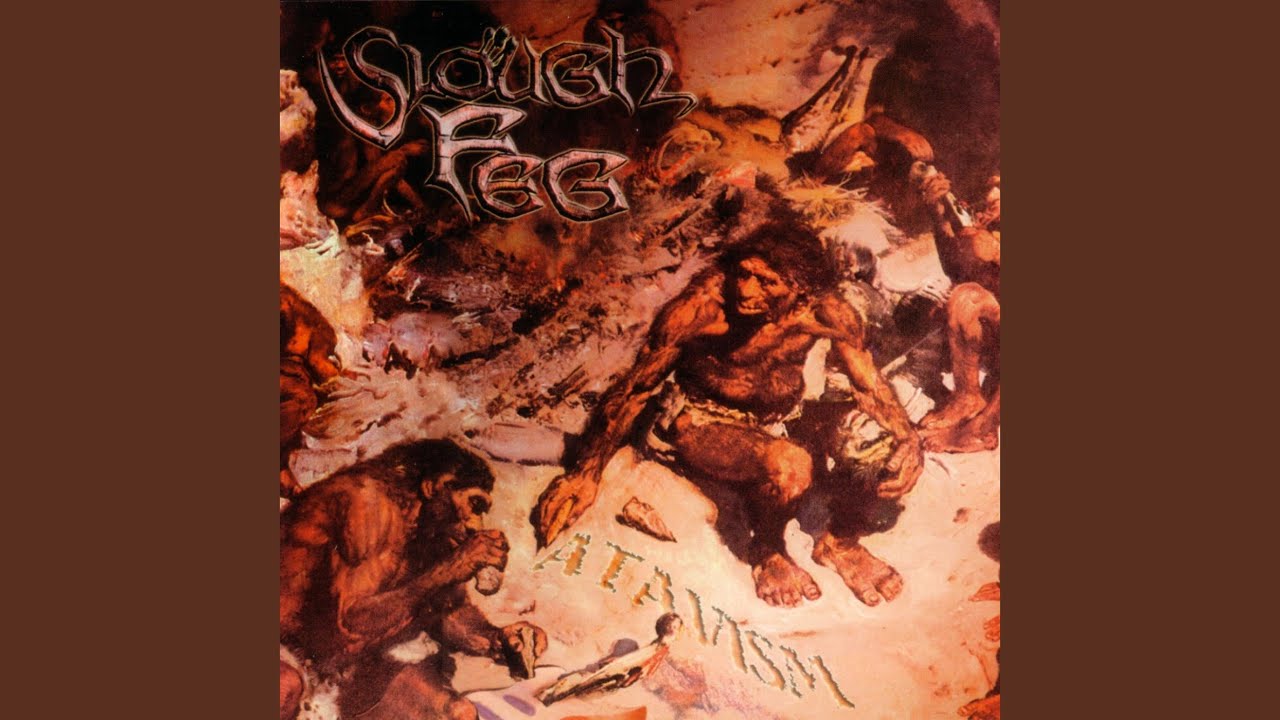
Which makes me think of "The Lord Weird Slough Feg".
They were like folk rock in the 90's, not sure if they were first at anything...
 www.youtube.com
-----
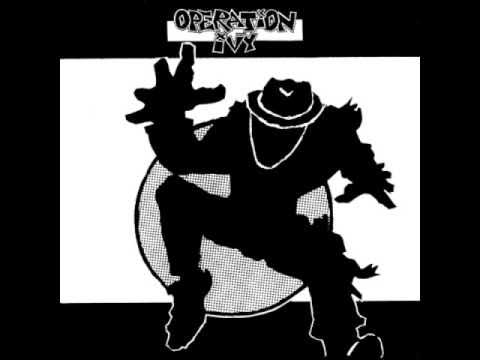
Going back a little further, there's "Operation Ivy".
Seems like they invented the 90's punk rock.
 www.youtube.com
-----
Nightwish might be to "mainstream" still, but the others seem fairly obscure to most people today.
Hard to recall exact events from even 5 years ago let alone 80+. How old am I? There can be only one.
You guys already have the "Beetles" and "Beach Boys", that must have been the 1960's right?
What about artists like "Neil Sedeka" , "Paul Anka" , and how could I not mention "Elvis Presley"?
What was earlier than that, hmm...that was "swing" right?
People can still recognize the unique voice of "Louis Armstrong" right?
How about "Benny Goodman" , "Jean Goldkette" , "Russ Morgan" , "Isham Jones"?
Pretty sure they were the major player that popularized electronic/techno.
Most people I know have never heard of them.
-----
On a "similar" note, what about "Nightwish"?
I feel like they started the sort of "folk / gothic rock / techno".
- YouTube
Auf YouTube findest du die angesagtesten Videos und Tracks. Außerdem kannst du eigene Inhalte hochladen und mit Freunden oder gleich der ganzen Welt teilen.
www.youtube.com
-----
Which makes me think of "The Lord Weird Slough Feg".
They were like folk rock in the 90's, not sure if they were first at anything...
I Will Kill You/You Will Die
Provided to YouTube by The Orchard EnterprisesI Will Kill You/You Will Die · Mike Scalzi (HAMMERS OF MISFORTUNE) · John Cobbett (HAMMERS OF MISFORTUNE) · Slo...
www.youtube.com
-----
Going back a little further, there's "Operation Ivy".
Seems like they invented the 90's punk rock.
Knowledge - OPERATION IVY
Lyrics-I know that things are getting tougherWhen you can`t get the top OF the bottom of the barrel.Wide open road of my future now... It's looking fucking n...
www.youtube.com
-----
Nightwish might be to "mainstream" still, but the others seem fairly obscure to most people today.
Hard to recall exact events from even 5 years ago let alone 80+. How old am I? There can be only one.
You guys already have the "Beetles" and "Beach Boys", that must have been the 1960's right?
What about artists like "Neil Sedeka" , "Paul Anka" , and how could I not mention "Elvis Presley"?
What was earlier than that, hmm...that was "swing" right?
People can still recognize the unique voice of "Louis Armstrong" right?
How about "Benny Goodman" , "Jean Goldkette" , "Russ Morgan" , "Isham Jones"?
Last edited:
Muse
Lifer
@DigDog. To say all the protesting of the Hippie generation accomplished nothing is just a wholesale dismissal for your own convenience, based on your own needs, certainly not grounded in an understanding of history. The FSM in Berkeley CA late 1964 was a watershed moment of that. I was at all the demonstrations and the driving force was the SNCC's activities of the previous summer in the southern USA, trying to desegregate and end Jim Crow. The civil rights act of 1966 was an outgrowth of that. This is nothing? It's the foundation of the work of RBG. Get an education.
Last edited:
Muse
Lifer
I've been gathering music to weave into the 2:45 show. So far I have
Elvis - Houndog
Sista Rosseta Tharpe - Didn't it Rain LIVE
Stravinsky - Rite of Spring, conducted by Bernstein w/ London Phil (will play maybe first 3 minutes, it gets sufficiently wild tonically, etc.)
Toots - Reggae Got Soul (with Taj Mahal and many others)
Robert Johnson - Me and the Devil blues
MC5 - Kick Out the Jams
Bill Monroe tune
Zappa - Bobby Brown (not sure I dare play that, it's very triggering)
Public Enemy, from ITANOMTSU (haven't picked a track yet, suggestion?)
Van Halen - Eruption
Jimi Hendrix - Voodoo Chile (slight return) Live on Maui July 1970, 2 months before his death (I was on Maui then, but didn't attend)
Muffs - Oh Nina (Kim Shattuck was the queen of the screamers and this shows it off, Live at Burger Boogaloo 2014)
Dylan - Subterranean Homesick Blues (nice and short, shows off his songwriting talent, esp. lyrics, when he was at his best)
Howlin' Wolf - A live version of Down in the Bottom that's killer (fantastic blues with weird time signature)
Dolly Parton - Jolene
... a few others, I guess
Gotta whale on this. I want to finish it in 2-3 days max.
Elvis - Houndog
Sista Rosseta Tharpe - Didn't it Rain LIVE
Stravinsky - Rite of Spring, conducted by Bernstein w/ London Phil (will play maybe first 3 minutes, it gets sufficiently wild tonically, etc.)
Toots - Reggae Got Soul (with Taj Mahal and many others)
Robert Johnson - Me and the Devil blues
MC5 - Kick Out the Jams
Bill Monroe tune
Zappa - Bobby Brown (not sure I dare play that, it's very triggering)
Public Enemy, from ITANOMTSU (haven't picked a track yet, suggestion?)
Van Halen - Eruption
Jimi Hendrix - Voodoo Chile (slight return) Live on Maui July 1970, 2 months before his death (I was on Maui then, but didn't attend)
Muffs - Oh Nina (Kim Shattuck was the queen of the screamers and this shows it off, Live at Burger Boogaloo 2014)
Dylan - Subterranean Homesick Blues (nice and short, shows off his songwriting talent, esp. lyrics, when he was at his best)
Howlin' Wolf - A live version of Down in the Bottom that's killer (fantastic blues with weird time signature)
Dolly Parton - Jolene
... a few others, I guess
Gotta whale on this. I want to finish it in 2-3 days max.

Torn Mind
Lifer
So I had an idea: play special music, very special music. Music that flipped the script. Music that blew minds. Music that changed the course of music history, music that presaged a sea-change in artistic thought and creativity.
Mozart has his 20th Piano Concerto, final movement of his 41st symphony, first and second movement of his Haffner Serenade. The Don Giovanni overture certainly kept the attention of people during the Romantic period even though the rest of his body of work fell into a deep slumber. Also, his Clarinet Concerto is well paired with Mariah Carey's singing.
Beethoven's Eroica symphony was one of the many that began the transition to Romaticism. The recordings by Roger Norrington have a less Romantic, speedier take.
Gershwin's Rhapsody in Blue.
Bon Jovi's Slippery When Wet
Brahms' Wiegenlied
Rachmaninoff's Piano Concerto 2.
Loads of Elvis and Beatles tracks
Loads of Tchaikovsky(many familiar melodies, such as Nutcracker, Swan Lake, Sleeping Beauty)
OST music from Chrono Trigger and Chrono Cross, especially the ending music for the respective games, "To Far Away Times" and "Radical Dreamers.
Mariah Carey's "Always Be My Baby". "Vision of Love" spawned and inspired many female singers afterwards, including Beyonce and Kelly Clarkson, even though I have yet to hear the track.
All Britney Spears' singles from her first two albums.
Backstreet Boys' Millenium
Everything Mutt Lange put his hands on(80s rock, Shania's Twain records).
Music from Joanna Levesque(short for JoJo) is amazing. Her latest album "Good to Know" has no bad tracks.
Bee Gees' Staylin' Alive.
Olivia Newton-John's Physical album, especially "Landslide" and the titular track.
The Go-Gos and The Bangles. Belinda Carlisle's got some gems from her solo career. Circle in the Sand, Heaven is a Place on Earth.
Last edited:
Muse
Lifer
Yeah, Mozart's 20th piano concerto is my favorite. Deeply spiritual feeling, his minor key piano concertos are the greatest. Tchaikowsky's reverence for Mozart's Don Giovanni is just out of this world. You have to read what he wrote to understand. The Mozart works you mention are among my favorites.Mozart has his 20th Piano Concerto, final movement of his 41st symphony, first and second movement of his Haffner Symphony. The Don Giovanni overture certainly kept the attention of people during the Romantic period even though the rest of his body of work fell into a deep slumber. Also, his Clarinet Concerto is well paired with Mariah Carey's singing.
Beethoven's Eroica symphony was one of the many that began the transition to Romaticism. The recordings by Roger Norrington have a less Romantic, speedier take.
Gershwin's Rhapsody in Blue.
Bon Jovi's Slippery When Wet
Brahms' Wiegenlied
Rachmaninoff's Piano Concerto 2.
Loads of Elvis and Beatles tracks
Loads of Tchaikovsky(many familiar melodies, such as Nutcracker, Swan Lake, Sleeping Beauty)
OST music from Chrono Trigger and Chrono Cross, especially the ending music for the respective games, "To Far Away Times" and "Radical Dreamers.
Mariah Carey's "Always Be My Baby". "Vision of Love" spawned and inspired many female singers afterwards, including Beyonce and Kelly Clarkson, even though I have yet to hear the track.
All Britney Spears' singles from her first two albums.
Backstreet Boys' Millenium
Everything Mutt Lange put his hands on(80s rock, Shania's Twain records).
Music from Joanna Levesque(short for JoJo) is amazing. Her latest album "Good to Know" has no bad tracks.
Bee Gees' Staylin' Alive.
Olivia Newton-John's Physical album, especially "Landslide" and the titular track.
The Go-Gos and The Bangles. Belinda Carlisle's got some gems from her solo career. Circle in the Sand, Heaven is a Place on Earth.
Yes, the Eroica was magnificent. Somehow the 1st movement of the 5th stands as beyond an adventurous thrust forward. It's dark, brutal, unrelenting, seems to leave everything behind. What a proclamation of intent! Toscanini's recording, which I've had for decades, is flawless.
Most of the other things you talk about I know little or nothing about. I realize the Bee Gees went disco, but I loved their first stuff, I guess their first LP. Wonderful emotional music that makes my heart melt.
TRENDING THREADS
-
 Discussion Zen 5 Speculation (EPYC Turin and Strix Point/Granite Ridge - Ryzen 9000)
- Started by DisEnchantment
- Replies: 25K
-
Discussion Intel Meteor, Arrow, Lunar & Panther Lakes + WCL Discussion Threads
- Started by Tigerick
- Replies: 25K
-
 Discussion Intel current and future Lakes & Rapids thread
- Started by TheF34RChannel
- Replies: 24K
-

-
