Discussion Leading Edge Foundry Node advances (TSMC, Samsung Foundry, Intel) - [2020 - 2025]

Page 216 - Seeking answers? Join the AnandTech community: where nearly half-a-million members share solutions and discuss the latest tech.

DisEnchantment

Golden Member
Mar 3, 2017
1,779
6,798
136
TSMC's N7 EUV is now in its second year of production and N5 is contributing to revenue for TSMC this quarter. N3 is scheduled for 2022 and I believe they have a good chance to reach that target.
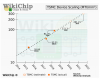
1587737990547.png
N7 performance is more or less understood.
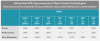
1587739093721.png

This year and next year TSMC is mainly increasing capacity to meet demands.

For Samsung the nodes are basically the same from 7LPP to 4 LPE, they just add incremental scaling boosters while the bulk of the tech is the same.

Samsung is already shipping 7LPP and will ship 6LPP in H2. Hopefully they fix any issues if at all.
They have two more intermediate nodes in between before going to 3GAE, most likely 5LPE will ship next year but for 4LPE it will probably be back to back with 3GAA since 3GAA is a parallel development with 7LPP enhancements.


1587739615344.png

Samsung's 3GAA will go for HVM in 2022 most likely, similar timeframe to TSMC's N3.
There are major differences in how the transistor will be fabricated due to the GAA but density for sure Samsung will be behind N3.
But there might be advantages for Samsung with regards to power and performance, so it may be better suited for some applications.
But for now we don't know how much of this is true and we can only rely on the marketing material.

This year there should be a lot more available wafers due to lack of demand from Smartphone vendors and increased capacity from TSMC and Samsung.
Lots of SoCs which dont need to be top end will be fabbed with N7 or 7LPP/6LPP instead of N5, so there will be lots of wafers around.

Most of the current 7nm designs are far from the advertized density from TSMC and Samsung. There is still potential for density increase compared to currently shipping products.
N5 is going to be the leading foundry node for the next couple of years.

For a lot of fabless companies out there, the processes and capacity available are quite good.

---------------------------------------------------------------------------------------------------------------------------------------------------


FEEL FREE TO CREATE A NEW THREAD FOR 2025+ OUTLOOK, I WILL LINK IT HERE
 
Last edited:

Joe NYC

Diamond Member
Jun 26, 2021
4,207
5,813
136
Customers will not go to an IDM, this is the cold hard truth that too many in Intel refuse to let go of.
14A needs to be defined by/for the biggest customers to succeed, and Intel Products would not be the biggest customer.

That's Intel's problem: If Intel wants to continue as an IDM, it will not be able to sell foundry services to competitors, and without external customers, Intel foundry does not have enough revenue to keep up with TSMC to be competitive.
 
  • Like
Reactions: 511

511

Diamond Member
Jul 12, 2024
5,434
4,861
106
14A needs to be defined by/for the biggest customers to succeed, and Intel Products would not be the biggest customer.
Intel is the biggest customer FYI they drive the highest number of wafers it's just that even that is not enough to sustain IFS they One Mobile and One HPC customer. HPC is Intel Products they need a good mobile customer as well with decent volume to drive IFS
 

johnsonwax

Senior member
Jun 27, 2024
472
676
96
That's Intel's problem: If Intel wants to continue as an IDM, it will not be able to sell foundry services to competitors, and without external customers, Intel foundry does not have enough revenue to keep up with TSMC to be competitive.
Yeah, I suspect there is a business model problem here that Intel still needs to resolve. One of the reasons why Apple sucks at making services is that it is such a device-centric business (that' 75% of their revenue) that it can't make a service that is first class on Windows/Android, etc. Every service has to be first class on MacOS/iOS and they will undermine the service to keep it that way.

I keep coming back to Cooks statement to the CEO of TSMC when Apple was leaving Samsung stating that '(Intel) are not good at doing foundry' and I think that is objectively untrue from the perspective of Intel's design side. I think just as Apple's device business business model undermines their ability to do services well, Intels design business undermines their ability to do foundry well, because foundry is too beholden to that design business. And while it's not impossible to decouple these things, and sending design to TSMC helps to do that, that's a huge cultural change which is very hard to execute. Yeah, when businesses fully bottom out they can change that business model (witnesss Apple 1997) and more likely have it stick, but I'm not sure Intel has sufficiently bottomed out - perhaps, the layoffs and leadership changes are substantial. But usually the way you make that stick is to decouple the businesses when you need that to happen. It would allow Intel Design to think more foundry neutrally, and it would allow Intel Foundry to think more customer neutrally. It's not some natural law that it must happen, but somehow those two sides of the business need to get roughly to that state, and a divestment guarantees that but you can get there the hard way.

Why did Apple leave Samsung? Part of it was they were subsidizing their device competitor. They were to some degree working against themselves. Why would AMD sign on with Intel for foundry business, even if Intel was comparable to TSMC? Like, this worked prior to 2012 or so when Intel has a clear process lead then of course AMD would have come to them, because how could they compete otherwise? But at parity why would they? They're just subsidizing Intel Design then. By decoupling these businesses, you are more likely to get AMD as a customer, more likely to get Apple as a customer if Intel Foundry is at parity with TSMC. But aside from the competing with yourself problem, you have the more important problem of the foundry business having a bias toward their own design business, which is not how Apple approaches design.
 
  • Like
Reactions: adamge and Thibsie

Doug S

Diamond Member
Feb 8, 2020
3,827
6,762
136
And GM in 2007/2008.

Not a bailout. GM had to declare bankruptcy and wipe out existing shareholders. I suppose you could call it a bailout of the workers and bondholders, and GM's massive supply chain, but what happened with GM is very different than what is happening with Intel.

With Intel the government is "buying" shares (and acquiring them at a lower than market price, so I imagine some lawyers are already starting to round up Intel shareholders for a class action case against the US government over that!) even though Intel is not in immediate near term danger of bankruptcy. That's what a bailout looks like.
 

Josh128

Golden Member
Oct 14, 2022
1,532
2,289
106
Not a bailout. GM had to declare bankruptcy and wipe out existing shareholders. I suppose you could call it a bailout of the workers and bondholders, and GM's massive supply chain, but what happened with GM is very different than what is happening with Intel.

With Intel the government is "buying" shares (and acquiring them at a lower than market price, so I imagine some lawyers are already starting to round up Intel shareholders for a class action case against the US government over that!) even though Intel is not in immediate near term danger of bankruptcy. That's what a bailout looks like.
Yep. And they didnt get any competitive advantages like tax exemptions, etc. that Ford , who refused government loans, did not get. GM also had to pay the loan back/exchange stock. All said and done, taxpayers lost about 11 billion on the deal, on a total investment of around 50 billion.


DrMrLordX

Lifer
Apr 27, 2000
23,213
13,299
136
The point is even using the same IP we can get worse PPA as for Samsung their IP is based on IBM and i don't remember IBM IP being good maybe in 1970-80s and for Intel I don't think they have hit a wall yet.
Doubtful. If Intel and GF and Samsung and TI and IBM engineers all had access to everyone's patent portfolio, I severely doubt that we'd see everyone making worse nodes than if everything stays siloed the way it is now. 99% guarantee that doesn't happen.
 

DrMrLordX

Lifer
Apr 27, 2000
23,213
13,299
136
but what happened with GM is very different than what is happening with Intel.

The Feds still wound up with a stake in the company, and sold it at a net loss in 2013. The only major difference here is that Intel is getting money from the Feds before they actually have to file for bankruptcy.

Yep. And they didnt get any competitive advantages like tax exemptions, etc. that Ford , who refused government loans, did not get.

In this case there isn't anyone who "refused government loans", and Intel doesn't have another cutting-edge (or wannabe cutting edge) foundry in the US to be an aggrieved competitor.
 
  • Like
Reactions: gdansk

Josh128

Golden Member
Oct 14, 2022
1,532
2,289
106
The Feds still wound up with a stake in the company, and sold it at a net loss in 2013. The only major difference here is that Intel is getting money from the Feds before they actually have to file for bankruptcy.


In this case there isn't anyone who "refused government loans", and Intel doesn't have another cutting-edge (or wannabe cutting edge) foundry in the US to be an aggrieved competitor.
Foundry has nothing to do with importing x86 compute dies from TSMC that compete against the same ones that AMD imports. AMD and Nvidia were not offered loans to refuse. How many times must I repeat that? Its not about the purchase of Intel stock, its about the (what I think is actually not true / bullshit ) notion that Intel gets tariff free silicon from TSMC while AMD and Nvidia dont. Im amazed that there are people out there who somehow believe that would somehow be OK. Trump is talking (out his ass, probably), about 200 to 300% tariffs on "imported semiconductors". If this would apply to everyone except Intel, it would be absolutely criminal, I wont believe otherwise until someone shows me similar "case law" proving otherwise. If AMD and Intel werent US companies, sure, but they are, lol. People here are acting like they arent.
 
Last edited:

511

Diamond Member
Jul 12, 2024
5,434
4,861
106
Foundry has nothing to do with importing x86 compute dies from TSMC that compete against the same ones that AMD imports. AMD and Nvidia were not offered loans to refuse. How many times must I repeat that? Its not about the purchase of Intel stock, its about the (what I think is actually not true / bullshit ) notion that Intel
AMD and Nvidia don't make anything for them to get any sort of benefits in this case and what happens if Intel imports a CPU with TSMC+Intel die into US Packed in Malaysia as for 300% tarrif I doubt that will happen.
 

511

Diamond Member
Jul 12, 2024
5,434
4,861
106
Doubtful. If Intel and GF and Samsung and TI and IBM engineers all had access to everyone's patent portfolio, I severely doubt that we'd see everyone making worse nodes than if everything stays siloed the way it is now. 99% guarantee that doesn't happen.
How TSMC Operates it's equipment and how Samsung/GF would be different and using differently can result in differences unless that know how is also licensed.
 
Last edited:

Doug S

Diamond Member
Feb 8, 2020
3,827
6,762
136
In this case there isn't anyone who "refused government loans", and Intel doesn't have another cutting-edge (or wannabe cutting edge) foundry in the US to be an aggrieved competitor.

If you accept loans from a lender of last resort there are always strings attached. If you're an individual whether your "last resort" is payday loans or a loan shark, they both have significant downsides. If you're a corporation, and your lender of last resort is the government, there will be strings attached to that as well.

Intel isn't in a good position to say "no" when they've already received and committed to spend the CHIPS Act funds they thought had one set of strings but now are getting a very different set of strings. Press in Taiwan has reported that TSMC will be returning their CHIPS Act funding. They don't need it and definitely don't want the US as a shareholder. So if you want to see someone "refusing government loans" you're about to. They probably won't be too loud about it though because you don't want to upset the tariff toddler.
 

Joe NYC

Diamond Member
Jun 26, 2021
4,207
5,813
136
Its not about the purchase of Intel stock, its about the (what I think is actually not true / bullshit ) notion that Intel gets tariff free silicon from TSMC while AMD and Nvidia dont. Im amazed that there are people out there who somehow believe that would somehow be OK.

But this is not happening, and it is not even proposed. Maybe all there is to it that Intel gets to import its parts from Ireland or Israel and not be subject to tariffs.

Trump is talking (out his ass, probably), about 200 to 300% tariffs on "imported semiconductors". If this would apply to everyone except Intel, it would be absolutely criminal, I wont believe otherwise until someone shows me similar "case law" proving otherwise. If AMD and Intel werent US companies, sure, but they are, lol. People here are acting like they arent.

It seems like you missed a news cycle. During this news cycle you missed, it was explained that any semiconductor foundry that is building production capacity in the US will be excluded from the tariffs.

And this includes just about every semiconductor company:
- TSMC
- Intel
- Samsung
- Micron
- SK Hynix
- Global Foundries
- Texas Instrument

Maybe 2nd tier foundries, Chinese and Japanese may get hit by a tariff, but it will not be 300%.
 

DrMrLordX

Lifer
Apr 27, 2000
23,213
13,299
136
Foundry has nothing to do with importing x86 compute dies from TSMC that compete against the same ones that AMD imports.

Of course, and Intel shouldn't be getting money this way, but they are, because the Feds have essentially turned a blind eye to Intel paying TSMC for wafers with one hand while begging for money to keep their fabs alive with another.

AMD and Nvidia were not offered loans to refuse.

They don't manufacture anything. That's why they weren't offered anything. Ironically, TSMC was offered money from CHIPS:


How many times must I repeat that? Its not about the purchase of Intel stock, its about the (what I think is actually not true / bullshit ) notion that Intel gets tariff free silicon from TSMC while AMD and Nvidia dont. Im amazed that there are people out there who somehow believe that would somehow be OK.

Who said it was OK? It's happening because AMD and NV don't have fabs.

Trump is talking (out his ass, probably), about 200 to 300% tariffs on "imported semiconductors". If this would apply to everyone except Intel, it would be absolutely criminal, I wont believe otherwise until someone shows me similar "case law" proving otherwise. If AMD and Intel werent US companies, sure, but they are, lol. People here are acting like they arent.

It might be illegal, but NV and AMD just got clearance to sidestep trade embargoes in China, so they probably won't complain about it until it hurts their bottom lines. Until then someone else will have to challenge it in court.

Intel isn't in a good position to say "no" when they've already received and committed to spend the CHIPS Act funds they thought had one set of strings but now are getting a very different set of strings.

Obviously. I would like to point out that I wasn't referring to Intel being able to refuse funding, but rather that if we regard Intel as being in GM's position from 2009 then there isn't an equivalent Ford to refuse the money. The US only has one remaining cutting-edge fab (for now!) and they were the only ones offered money, primarily because they lobbied for it. GF may also been offered some money (I forget) but they aren't a real competitor to Intel.

Press in Taiwan has reported that TSMC will be returning their CHIPS Act funding. They don't need it and definitely don't want the US as a shareholder. So if you want to see someone "refusing government loans" you're about to.

That isn't an American competitor to Intel. And TSMC never needed it. It was just a carrot to try to get them to invest more-heavily into their fab complex in AZ.
 

coercitiv

Diamond Member
Jan 24, 2014
7,478
17,874
136
Twice I've gone through the last page of replies on Intel's acquisition of stock from the US Gov, and I have yet to understand what is being debated. I'm reading posts written as if people disagree, but every reply leans on some tangent that further obscures the original point of contention (if any).

I'd like to offer my unsolicited, inexperienced and full arm-chair mode opinion on the matter, so can we please define the current topic of discussion?
 

511

Diamond Member
Jul 12, 2024
5,434
4,861
106
Of course, and Intel shouldn't be getting money this way, but they are, because the Feds have essentially turned a blind eye to Intel paying TSMC for wafers with one hand while begging for money to keep their fabs alive with another.
Intel has been paying TSMC since Grove Era it's nothing new the only problem is the amount of outsourcing in number of wafers.
Twice I've gone through the last page of replies on Intel's acquisition of stock from the US Gov, and I have yet to understand what is being debated. I'm reading posts written as if people disagree, but every reply leans on some tangent that further obscures the original point of contention (if any).

I'd like to offer my unsolicited, inexperienced and full arm-chair mode opinion on the matter, so can we please define the current topic of discussion?
NO one knows the exact topic all we know is it's related to Intel fabs getting Money and Nvidia/AMD ain't getting them.
 
  • Like
Reactions: marees

marees

Platinum Member
Apr 28, 2024
2,254
2,888
96
Twice I've gone through the last page of replies on Intel's acquisition of stock from the US Gov, and I have yet to understand what is being debated. I'm reading posts written as if people disagree, but every reply leans on some tangent that further obscures the original point of contention (if any).

I'd like to offer my unsolicited, inexperienced and full arm-chair mode opinion on the matter, so can we please define the current topic of discussion?

Edit:
Oops looks like I posted in the wrong thread/forum

Ignore everything below @coercitiv

≈≈====≈≈=========================

How about this

  1. Is govt funding of Intel good or bad for USA
  2. Is govt funding of Intel good or bad for Intel
  3. Is there an alternative to govt funding (keeping in mind answers to both questions above)
  4. Is Intel too big or too key for technology security to be allowed to fail
  5. Should Intel be broken up
  6. Is Intel doomed (like Global Foundries)
  7. Or can it muddle on in some form or another like GM, Chrysler, Boeing etc.
  8. If someone should takeover(fabs) from LBT then who
    1. Musk
    2. Broadcom
    3. Amazon led consortium
    4. Samsung led consortium
    5. US govt (gasp !!!!)
    6. Anyone else ??
 
Last edited:

Win2012R2

Golden Member
Dec 5, 2024
1,325
1,365
96
If you accept loans from a lender of last resort there are always strings attached.
The strings are defined by those who are actually authorised to do so - the Congress in this case, nothing in the CHIPs act says that shares are required in the first place, especially from one company but not others, Intel shareholders certainly got a case to sue - upside is dissolution of those newly issue 10% shares, stature of limitations certainly long enough to wait 3 years if necessary.
 

DavidC1

Platinum Member
Dec 29, 2023
2,177
3,328
106
Intel just gave warning that the US government investment is going to hurt international sales. All that for mere $10 billion.

Warmongers(US being the leader at that) don't care about few billion(give or take 500 million) struggling to enrich themselves.
 

Joe NYC

Diamond Member
Jun 26, 2021
4,207
5,813
136
Intel just gave warning that the US government investment is going to hurt international sales. All that for mere $10 billion.

Warmongers(US being the leader at that) don't care about few billion(give or take 500 million) struggling to enrich themselves.

Any link to that warning?
 

marees

Platinum Member
Apr 28, 2024
2,254
2,888
96
Not exactly bleeding edge, but still interesting that Samsung is making slow & steady progress

IBM’s Power11 Processor Architecture at Hot Chips 2025​

By Ryan Smith - August 25, 2025

Power10 was built on Samsung 7LPE. Power11 stays on 7nm (based on feedback from clients), so there was a focus on speed instead of density. As a result, it’s built on a newer iteration of Samsung’s 7nm technology.