- Sep 5, 2000
- 9,173
- 6
- 81





There are brass threaded tee with male x female NPT threads, or threaded x slip, but they usually are special order, and are expensive that generally are use for oil/gas application.Wow, thanks for the thorough explanation! I need to find a male threaded ball valve so I can just use one of those flexy metal mesh tubes with two female (the softeners bypass is male threaded) threaded ends.
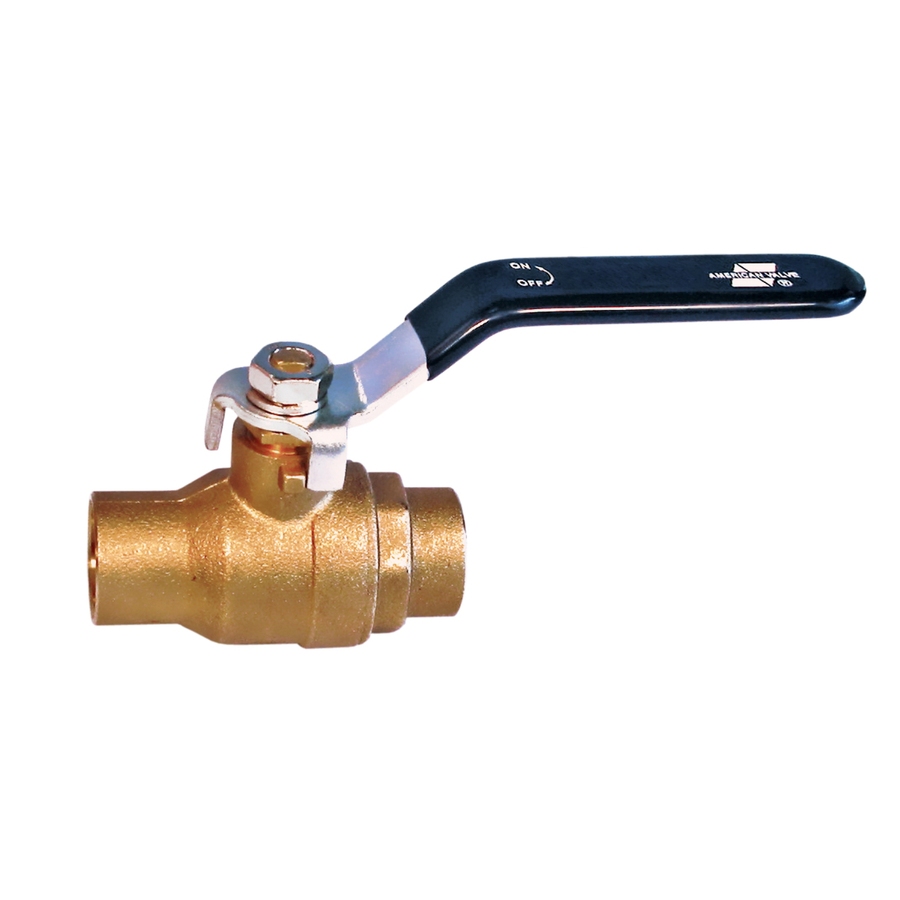
Can you just straight up solder the threaded ball valve (or is one side not threaded?) onto a piece of pipe? It would be really nifty if there was such thing as a copper T with a threaded end, then I could just screw the ball valve on.
Wow...more questions. Feel completely free to not answer if you dont want to. But know that your help is invaluable for my noobness.
http://www.onestopfire.com/threads.htmYeah definitely go with the 1st one, non threaded. I find it's easier. With threaded if you don't put enough teflon, or too much or don't put it tight enough etc it will leak then you end up having to redo the whole thing as you can't twist it once it's soldered on the other end.
NPT = National Pipe Thread, which is the thread used in that 2nd fitting. Not to be mistaken for a garden hose thread, which is different. I just recently learned most of this stuff myself, so someone correct me if wrong.

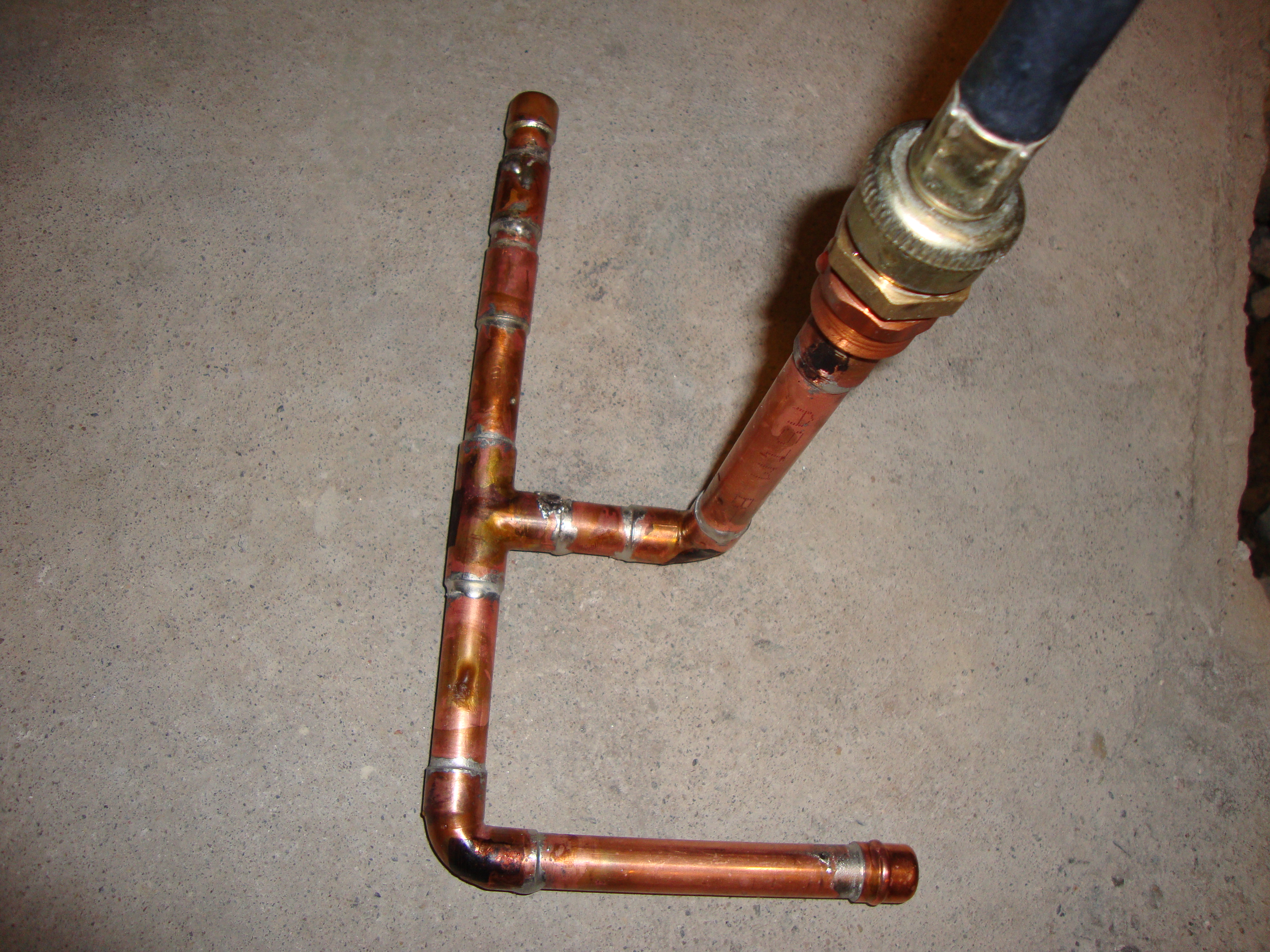
I recently soldered copper pipe for my first time, what I did is I bought some fittings and pipe to practice on first, and an attachment to put a hose. I hooked it up to the sink and applied pressure to make sure nothing leaked. It's actually easier to do than it looks.
Basically what you want to get is this:
- flux
- wire brush for the size of pipe you'll be working on - this brush fits snugly inside the pipe fittings and you just twist it around to sand it
- sand paper for the pipe itself (sand on the outside)
- propane torch
- solder
- flint and steel (hand held thingy that makes sparks, to start the torch)
- safety glasses
- gloves are ideal, you WILL get burned pretty badly if you touch the pipe. Did it by error without thinking I went to move the piece I was working on... took like 2 weeks to heal.
Basically sand the outside of the end of a pipe, sand the inside of the fitting, apply flux on both, fit them all the way. I like to give a little twist to spread the flux more evenly.
Then heat the fitting itself, and the pipe a bit, and keep trying to apply solder until it melts on contact, then try to get it all around, but it should wick around on it's own.
This was my first practice project, no leaks!
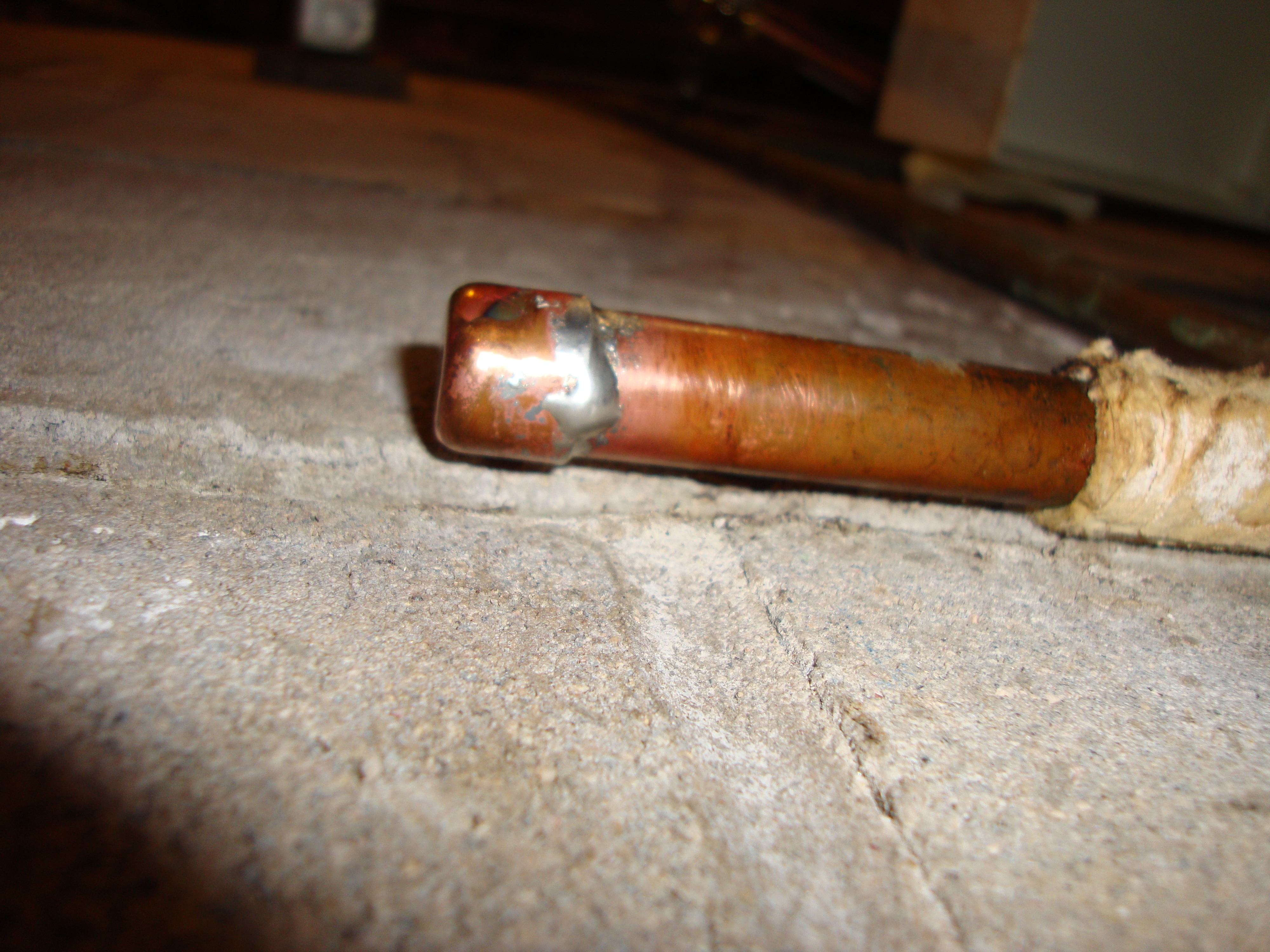
First real project (just adding a cap)
And another recent project:
Adding humidifier drain (used to use a bucket before)
Oh and for the ball valve, if it's one where one end is twist and the other end is solder, do the solder part first then twist after. I'm not a huge fan of those I rather just solder on both ends. Leave the valve open while soldering as to not melt it internally. Let it cool before you do the other side, or see if you can do it right away without applying too much more heat. Most valves will have instructions. Some may require you to take it apart.
The trick with anything that has to be twisted is if it does not work the first time you sometimes have to cut the pipe upstream so you can twist it more and redo it.
Question: is it important that I use full port ball valves instead of regular ball valves?
If the cost difference is insignificant, go with the full-port. If the difference is significant, then you need to calculate your flows vs pressure drop. Would be a nice exercise for you.Question: is it important that I use full port ball valves instead of regular ball valves?
Yes, go for the big ones, I never figured there was a difference, but if you look inside the smaller ones have more flow restriction. Won't make a HUGE difference due to the nature of a high pressure system, but it will still have some impact, and given it's your main line going through there you definitely don't want to restrict it.



 Facebook
 Twitter