Discussion Intel Meteor, Arrow, Lunar & Panther Lakes + WCL Discussion Threads

Page 653 - Seeking answers? Join the AnandTech community: where nearly half-a-million members share solutions and discuss the latest tech.

Tigerick

Senior member
Apr 1, 2022
942
857
106
Wildcat Lake (WCL) Specs

Intel Wildcat Lake (WCL) is upcoming mobile SoC replacing Raptor Lake-U. WCL consists of 2 tiles: compute tile and PCD tile. It is true single die consists of CPU, GPU and NPU that is fabbed by 18-A process. Last time I checked, PCD tile is fabbed by TSMC N6 process. They are connected through UCIe, not D2D; a first from Intel. Expecting launching in Q1 2026.
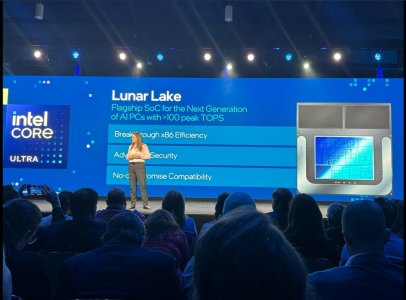
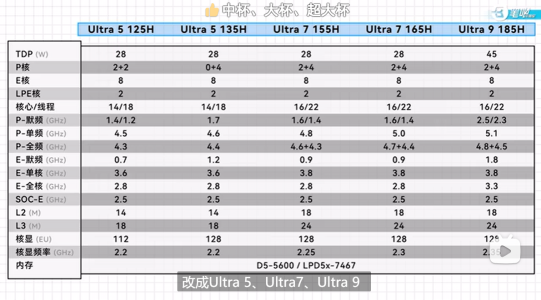
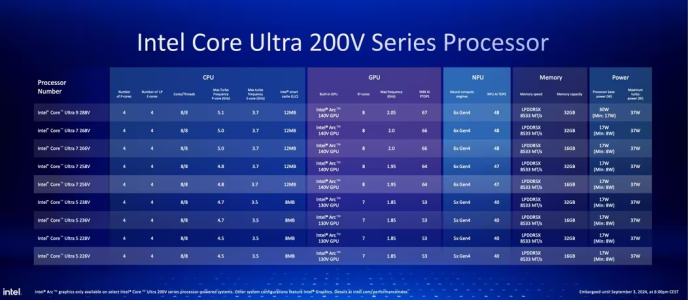
Intel Raptor Lake UIntel Wildcat Lake 15W?Intel Lunar LakeIntel Panther Lake 4+0+4
Launch DateQ1-2024Q2-2026Q3-2024Q1-2026
ModelIntel 150UIntel Core 7Core Ultra 7 268VCore Ultra 7 365
Dies2223
NodeIntel 7 + ?Intel 18-A + TSMC N6TSMC N3B + N6Intel 18-A + Intel 3 + TSMC N6
CPU2 P-core + 8 E-cores2 P-core + 4 LP E-cores4 P-core + 4 LP E-cores4 P-core + 4 LP E-cores
Threads12688
Max Clock5.4 GHz?5 GHz4.8 GHz
L3 Cache12 MB12 MB12 MB
TDP15 - 55 W15 W ?17 - 37 W25 - 55 W
Memory128-bit LPDDR5-520064-bit LPDDR5128-bit LPDDR5x-8533128-bit LPDDR5x-7467
Size96 GB32 GB128 GB
Bandwidth136 GB/s
GPUIntel GraphicsIntel GraphicsArc 140VIntel Graphics
RTNoNoYESYES
EU / Xe96 EU2 Xe8 Xe4 Xe
Max Clock1.3 GHz?2 GHz2.5 GHz
NPUGNA 3.018 TOPS48 TOPS49 TOPS


PPT1.jpg
PPT2.jpg
PPT3.jpg


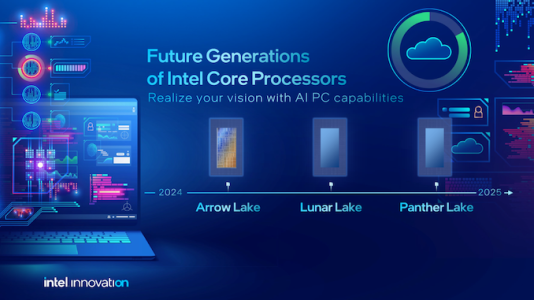
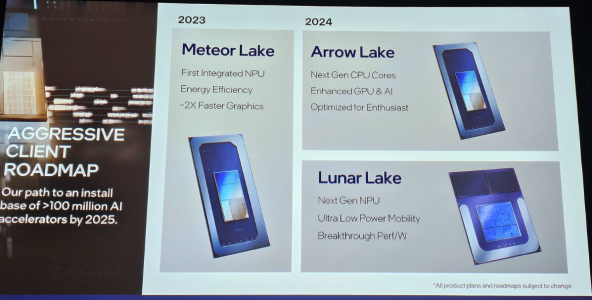
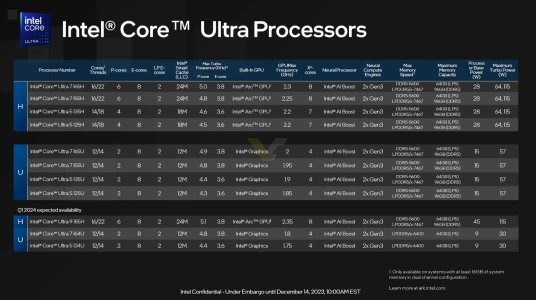
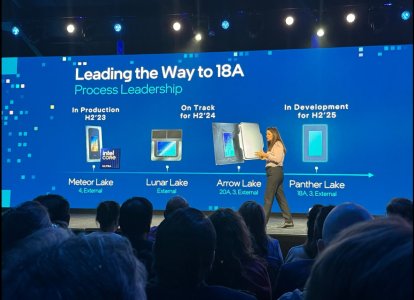
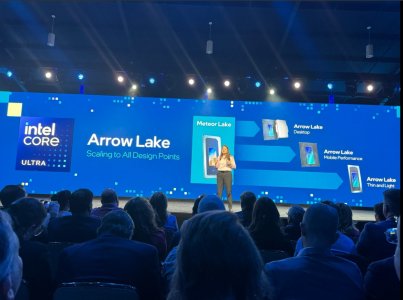
As Hot Chips 34 starting this week, Intel will unveil technical information of upcoming Meteor Lake (MTL) and Arrow Lake (ARL), new generation platform after Raptor Lake. Both MTL and ARL represent new direction which Intel will move to multiple chiplets and combine as one SoC platform.

MTL also represents new compute tile that based on Intel 4 process which is based on EUV lithography, a first from Intel. Intel expects to ship MTL mobile SoC in 2023.

ARL will come after MTL so Intel should be shipping it in 2024, that is what Intel roadmap is telling us. ARL compute tile will be manufactured by Intel 20A process, a first from Intel to use GAA transistors called RibbonFET.


LNL-MX.png
 

Attachments

  • PantherLake.png
    PantherLake.png
    283.5 KB · Views: 24,044
  • LNL.png
    LNL.png
    881.8 KB · Views: 25,531
  • INTEL-CORE-100-ULTRA-METEOR-LAKE-OFFCIAL-SLIDE-2.jpg
    INTEL-CORE-100-ULTRA-METEOR-LAKE-OFFCIAL-SLIDE-2.jpg
    181.4 KB · Views: 72,440
  • Clockspeed.png
    Clockspeed.png
    611.8 KB · Views: 72,327
Last edited:

Hulk

Diamond Member
Oct 9, 1999
5,403
4,110
136
It is getting hard for me to take Intel process timelines seriously because they seem to miss their deadlines so regularly. ARL disappoints architecturally and isn't on Intel 20A. Might be time for an AMD/Intel pair trade.

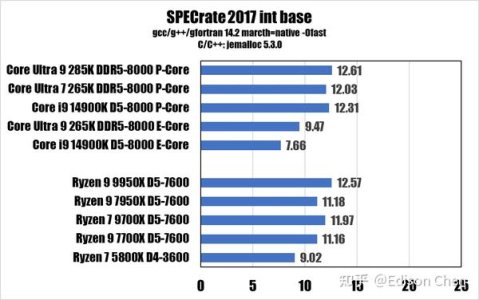
It just seems like IPC-wise x86 is nearly topped out. Zen 5 didn't show big gains and Lion Cove showed gains and regression. It seems more likely that the E cores will approach current ST iso frequency performance and peter out as well at that performance level as well, they just end up at that performance level in a more area efficient manner.

Without software help like new instructions or something I don't see how we get another 15 to 20% increase on a generation from either Zen 5 or LNC? 8 wide is already too wide, right?

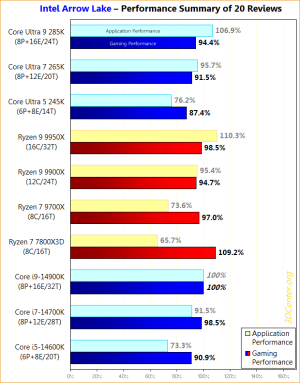
On that same note, considering performance regression is LNC still +9% over Raptor Cove?
 

511

Diamond Member
Jul 12, 2024
5,461
4,888
106
It is getting hard for me to take Intel process timelines seriously because they seem to miss their deadlines so regularly. ARL disappoints architecturally and isn't on Intel 20A. Might be time for an AMD/Intel pair trade.

It just seems like IPC-wise x86 is nearly topped out. Zen 5 didn't show big gains and Lion Cove showed gains and regression. It seems more likely that the E cores will approach current ST iso frequency performance and peter out as well at that performance level as well, they just end up at that performance level in a more area efficient manner.

Without software help like new instructions or something I don't see how we get another 15 to 20% increase on a generation from either Zen 5 or LNC? 8 wide is already too wide, right?

On that same note, considering performance regression is LNC still +9% over Raptor Cove?
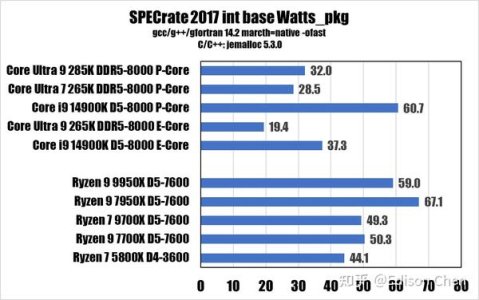
The performance regression is due to L3 and mix of other Factors LNC is not a big upgrade either it's just Meh.
If it was same performance at half the power without regression it would have been good but it is a mixed bag a 3-5% gaming regression would have been swallowable with these uplift I don't see U9 285K as a good value outside overclockers and Platform Features like tons of NVMe and IO
 

reaperrr3

Member
May 31, 2024
177
505
96
It just seems like IPC-wise x86 is nearly topped out. Zen 5 didn't show big gains and Lion Cove showed gains and regression.
Zen5 was a ground-up redesign of the pipeline, lost some of Zen4's optimizations, focused more on DC workloads than desktop, is still 4-wide per decoder/thread, and rumored to have gone through multiple design team switches and a generally hiccup-ridden development.

Also, most significant IPC increases in the past for games came alongside significant cache size/topology bumps (Zen2: doubled L3 per core, Zen3: doubled cores per CCX->up to 2x L3 per core/thread, Zen4: doubled L2, ADL: massive cache bump over CFL/ICL), of which Zen5 has virtually none.

And LNC in ARL looks like either their chiplet technology is still inferior to AMD's and holding back the cores, or they just borked the core's design somewhere. Not sure you should take ARL as example for IPC headroom petering out.
 

mikk

Diamond Member
May 15, 2012
4,333
2,414
136
  • Like
Reactions: Tlh97 and Elfear

Hulk

Diamond Member
Oct 9, 1999
5,403
4,110
136
Zen5 was a ground-up redesign of the pipeline, lost some of Zen4's optimizations, focused more on DC workloads than desktop, is still 4-wide per decoder/thread, and rumored to have gone through multiple design team switches and a generally hiccup-ridden development.

Also, most significant IPC increases in the past for games came alongside significant cache size/topology bumps (Zen2: doubled L3 per core, Zen3: doubled cores per CCX->up to 2x L3 per core/thread, Zen4: doubled L2, ADL: massive cache bump over CFL/ICL), of which Zen5 has virtually none.

And LNC in ARL looks like either their chiplet technology is still inferior to AMD's and holding back the cores, or they just borked the core's design somewhere. Not sure you should take ARL as example for IPC headroom petering out.
Okay. What is the IPC gain overall for LNC and Zen 5?
 

511

Diamond Member
Jul 12, 2024
5,461
4,888
106
Maybe we can expect a 5% bump from Darkmont over Skymont, there are some changes.


The E core team can do this with some tweaks here and there (like Crestmont). The Cove team usually needs big changes for the same performance increase. We don't know about Cougar Cove though. Maybe they can fix some things over Lion Cove.
You know his tweets are protected lol but those are major changes
Instructions decode 20B-> 24B increase in per cycle bandwidth
Two Taken Conditional branch
L2 cache improvement
It will be a Gracemont -> Crestmont Jump 3-7% IPC considering the small core is RPC IPC so higher IPC than a 5th gen Xeon core outside of AVX-512 🤣 and consuming way less power i hope Clearwater Forest is actually good with these
 

Kepler_L2

Golden Member
Sep 6, 2020
1,087
4,688
136
It is getting hard for me to take Intel process timelines seriously because they seem to miss their deadlines so regularly. ARL disappoints architecturally and isn't on Intel 20A. Might be time for an AMD/Intel pair trade.

It just seems like IPC-wise x86 is nearly topped out. Zen 5 didn't show big gains and Lion Cove showed gains and regression. It seems more likely that the E cores will approach current ST iso frequency performance and peter out as well at that performance level as well, they just end up at that performance level in a more area efficient manner.

Without software help like new instructions or something I don't see how we get another 15 to 20% increase on a generation from either Zen 5 or LNC? 8 wide is already too wide, right?

On that same note, considering performance regression is LNC still +9% over Raptor Cove?
Zen5 is still much smaller vs Apple cores.

4-wide decode vs 10-wide
8-wide rename vs 10-wide
6 ALU vs 8 ALU
448 ROB vs 960
 

511

Diamond Member
Jul 12, 2024
5,461
4,888
106
Maybe Nova is still in planning phase if they need to launch by H2 2026 they can tape out A0 within 12 -18 months so Q1-Q2 25
 

DavidC1

Platinum Member
Dec 29, 2023
2,187
3,339
106
It just seems like IPC-wise x86 is nearly topped out. Zen 5 didn't show big gains and Lion Cove showed gains and regression. It seems more likely that the E cores will approach current ST iso frequency performance and peter out as well at that performance level as well, they just end up at that performance level in a more area efficient manner.
Or, there's a lot to go and they haven't found a way yet. Don't think it's just conjecture people are saying BOTH of the x86 vendors suck in execution.
2*4 Decode 🙂
Only when SMT is active.

That in itself is not significant though. Maybe 5% at best for average.
 
  • Like
Reactions: Tlh97

cannedlake240

Senior member
Jul 4, 2024
247
138
76
You know his tweets are protected lol but those are major changes
Instructions decode 20B-> 24B increase in per cycle bandwidth
Two Taken Conditional branch
L2 cache improvement
It will be a Gracemont -> Crestmont Jump 3-7% IPC considering the small core is RPC IPC so higher IPC than a 5th gen Xeon core outside of AVX-512 🤣 and consuming way less power i hope Clearwater Forest is actually good with these
That seems like too many changes for what's essentially a node shrink tick core. Also wonder if the NVL e core naming change has actual meaning... It could signal a major Zen 5 like redesign for the uarch, which then can be iterated on to take the place of the current P core
 
Jul 27, 2020
28,174
19,218
146
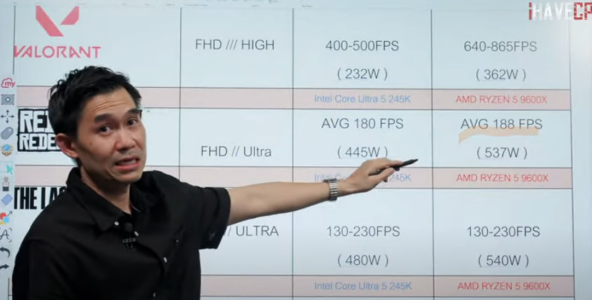
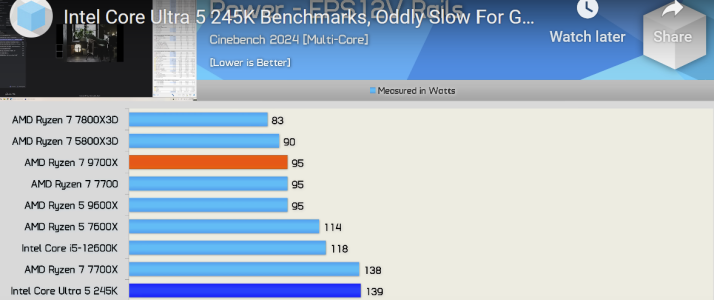
Non-English YT video showing the 245K as more efficient and faster than 9600X:

But slower in games obviously.

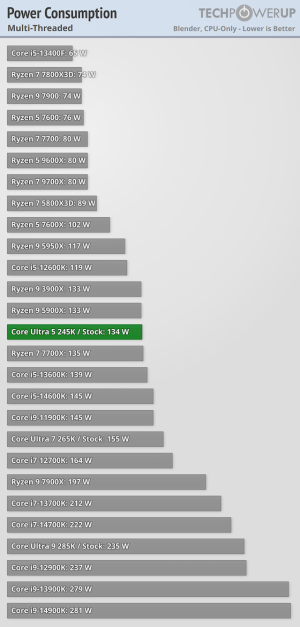
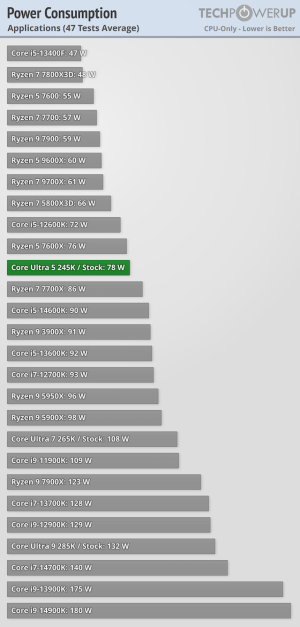
No idea how accurate or true the bit about lower power consumption is, though.

Maybe Intel has a chance now to convince budget users to go for Arrow Lake?

EDIT: Scratch that! From same video:

1730471862919.png

Left ARL and right Zen 5 in PUBG. ARL is legendarily bad!

1730471952834.png

Guy trying his best to teach his followers that Zen 5 delivers more frames using more power :D
 
Last edited:

GTracing

Senior member
Aug 6, 2021
478
1,114
106
These results says something else
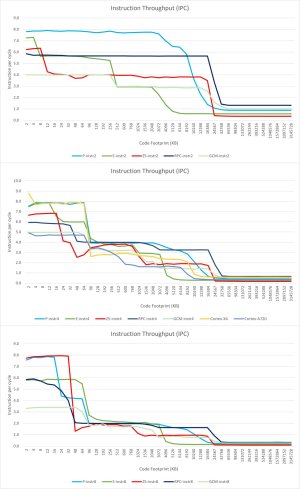
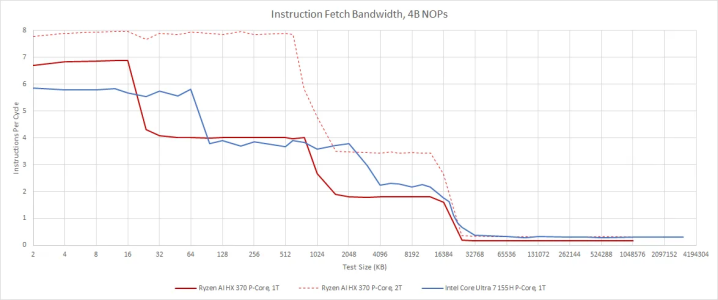
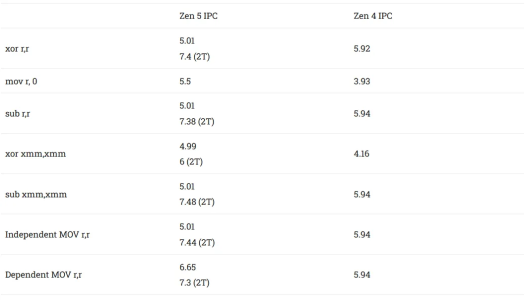
Zen5 can execute 8 instructions per cycle. It can't decode more than 4 per cycle on a single thread.

Here's where chips and cheese discusses it in their Strix Point article.
1730475827088.pngZen 5 can sustain higher instruction throughput than Intel Meteor Lake’s Redwood Cove P-Cores, but only for small instruction footprints or when both SMT threads are loaded. If only a single SMT thread is active, Intel’s larger 64 KB instruction cache and conventional 6-wide decoder can hand it a lead when code spills out of the micro-op cache.

Plenty of other cores can execute more instructions than they can decode, Zen4 for example.


MS_AT

Senior member
Jul 15, 2024
939
1,860
96
Zen5 can sustain 8 ops from uop cache, but they have to be a mix of int / simd / mem. Games are more problematic bc for them uop cache is less effective. [up to 80 % hit rate for zen4 when zen 5 enjoys over 90% hit rate across spec int according to C&C]. That is to say 4wide decode doesn't seem to be immediate issue for Zen5.