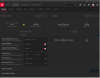
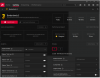
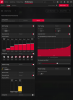
Well I have good news for you. AMD for their own purposes, obstensibly to make for easier high yields and less QA, heavily overvolted a number of GPU models for stock. Out of the box they're needlessly high, which might raise yields from say 96% to 99% (just an example), when 90% will run fine with much less voltage.
The high voltages actually reduces performance due to higher thermals and less boost performance.
There are three schools of thought with regards to undervolting Polaris.
1- Aggressive undervolting combined with clock decreases. This is more for mining efficiency, and people who are more interested in near silent operation and don't mind easing back 5-10%. I don't think this is for most people.
2- Moderate undervolting combined with stock clocks. This is the most common choice. Gets you the identical clock settings, but gives you no less than 100% of stock performance, and even slight benefits due to not hitting throttling limits related to heat limit targets.
3- Light undervolting with a light overclock. This is a little more effort, but pays off with a combination of reduced power and heat in addition to a 5-10% increase over stock performance, all at the same or very slightly less than stock consumption and thermals.
I've yet to personally see a card out of perhaps 150-160 Polaris cards that don't see moderate to high levels of improvement by undervolting. Not quite as extreme as you see with Vega56 undervolt+OC (those were atrociously overvolted out of the box, lol), but still very much worth knowing about and tuning for anyone capable of doing so.