There are a couple of aspects to all of this that I think bear consideration. The CCP is becoming increasingly belligerent with all kinds of things, like blocking vaccine sales to Taiwan
Taiwan directly accused China for the first time on Wednesday of blocking a deal with Germany's BioNTech SE (22UAy.DE) for COVID-19 vaccines, in an escalating war of words after Beijing offered the shots to the island via a Chinese company.

www.reuters.com
This is addition to a lot of medicine and materials that were single sourced via China, and caused shortages and present significant risks not just economically, but in literal life or death scenarios.
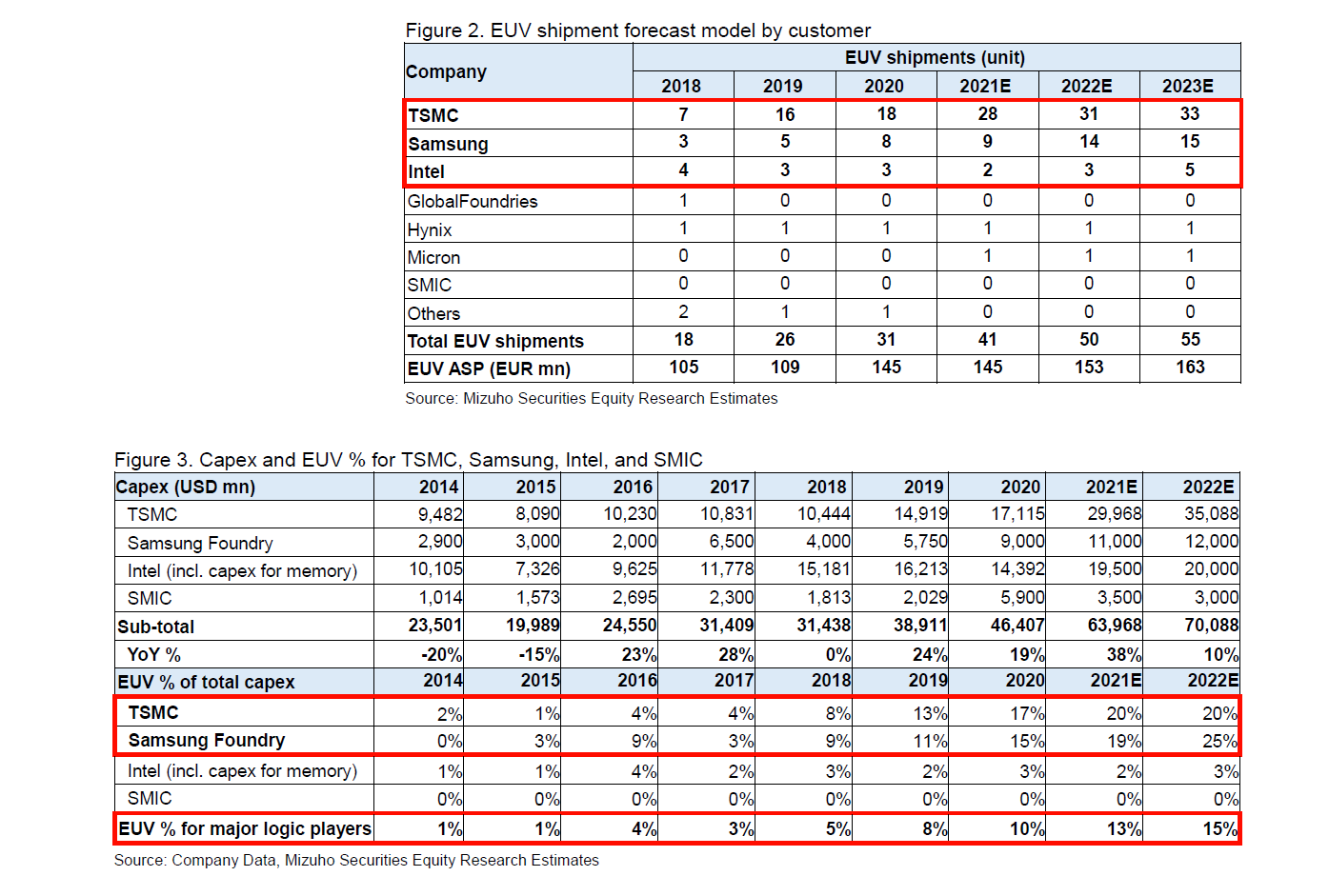
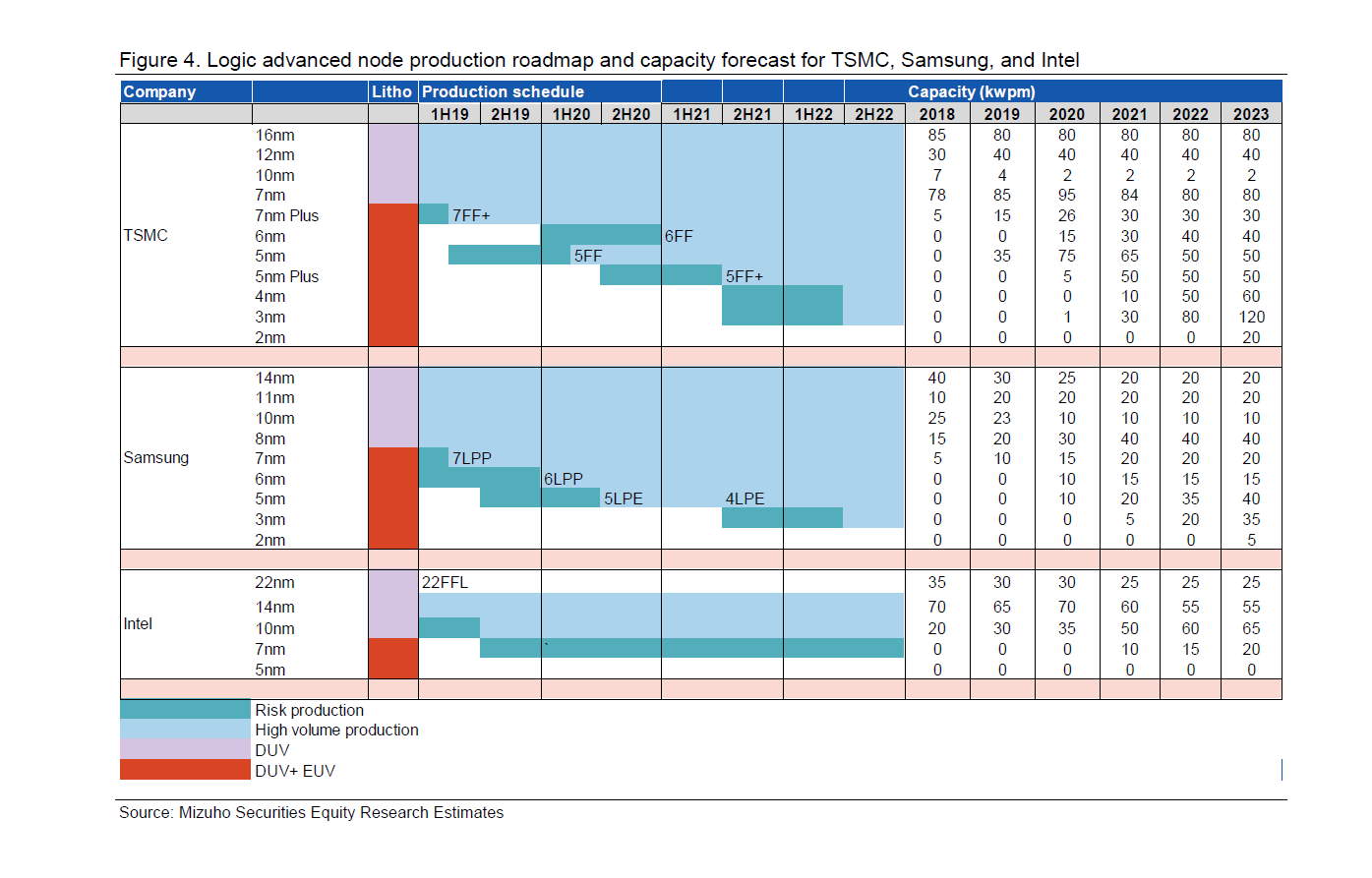
The other major aspect is the rapid rise in demand for more and more semiconductor products, and the capacity with TSMC just isn't large enough. Some of this is due to the EUV systems being expensive and slow to procure, but also because there simply aren't enough fabs to meet rising global demand. This of course causes price hikes, but I believe we're also seeing fewer options available because from a business perspective it makes sense to go ahead and use limited capacity for purely the highest ASP items and just skip the entry and midrange segments if the demand for high end is enough to absorb the entire allocation. See : Zen3 and RDNA2 dGPUs. Amazing product, but the options are pathetic for affordable options, things to match Pentium, i3, and even i5 at various price points. AMD owes us nothing, they're just following fiduciary duties in this regard, and without additional capacity, this may only get worse as time goes on. Ditto Nvidia and their recent GPUs. Where is the equivalent 2050ti, 3050, $139-$199 range stuff? Answer : although there would be a huge market for these SKUs, the capacity is fully made and sold as much more expensive tiers because they can sell their entire capacity with ease, so why bother with affordable tiers at all.
This has also largely saved Intel from much worse damage by AMDs excellent product options. AMD can in no way come close to meeting enough demand to put more than a marginal dent in Intel market share, they simply can't deliver the volume due to lack of manufacturing capacity.
More fab investment and diversity in node options (eg; 14nm and even higher is fine for a lot of the auto and industrial SOCs, they just need to be reliable and available) is a good thing if combined with locales out of the reach of CCP related risks.
As of right now, if a war over Taiwan began, it would be utterly devastating not just in humanitarian realms, but cut semiconductor availability off at the knees. It might literally be a half decade+ to much longer to even see new generations of phones etc, if Taiwan is a smoldering wasteland. Everybody loses.


 www.wsj.com





 Facebook
 Twitter