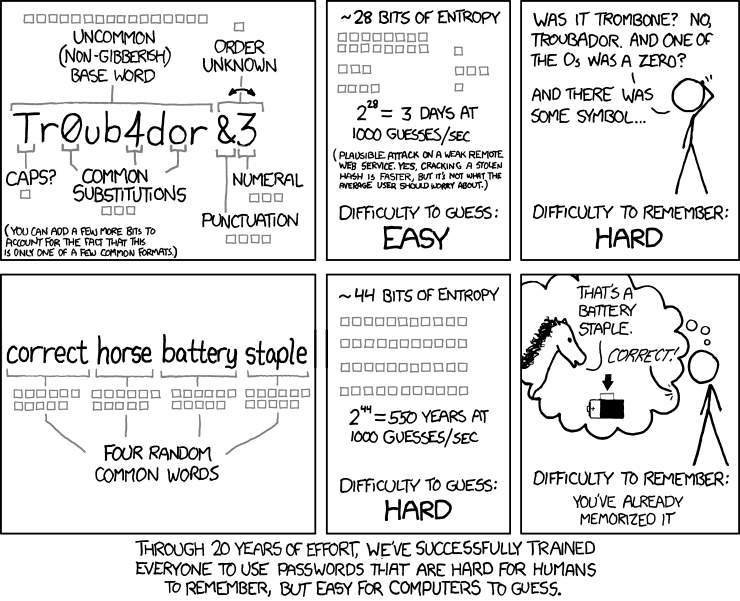
Young joined forces with fellow security researcher Josh Dustin, and the cracking duo quickly settled on trying longer strings of words found online. They started small. They took a single article from USA Today, isolated select phrases, and inputted them into their password crackers. Within a few weeks, they expanded their sources to include the entire contents of Wikipedia and the first 15,000 works of Project Gutenberg, which bills itself as the largest single collection of free electronic books. Almost immediately, hashes from Stratfor and other leaks that remained uncracked for months fell. One such password was "crotalus atrox." That's the scientific name for the western diamondback rattlesnake, and it ended up in their word list courtesy of this Wikipedia article. The success was something of an epiphany for Young and Dustin.
"Rather than try a brute force that makes sense to a computer but not to people, let's use human beings because people typically make these long passwords based on things that humans use," Dustin remembered thinking. "I basically utilized the person who wrote the article on Wikipedia to put words together for us."