Kaido
Elite Member & Kitchen Overlord
Share your computer history lore! Memories, finds, collector's items, etc. @IBMJunkman this means YOU!!
I'm not much of a collector, but from time to time, I'll snag a unique piece of computer history for my very small hardware collection & recently came across a good-quality Osborne 1, which is considered to be the first "laptop" aka "luggables" haha. A brief history: (4 pages)

 www.technologizer.com
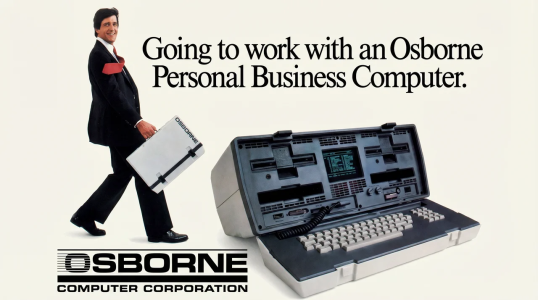
I had a chance to get a bootable one from a thrift store about 25 years ago for FIVE DOLLARS, but didn't have the room for it at the time & have regretted it ever since! There was no battery & it basically folded up into a metal suitcase, sort of like a sewing machine:
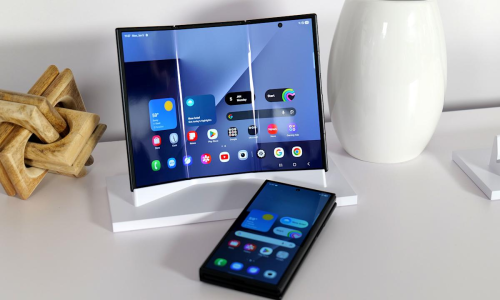
These days we have tri-fold phones lol:
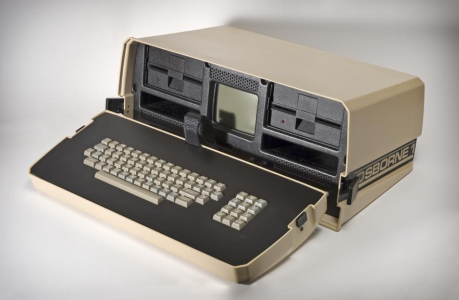
You boot up the CP/M OS on one 5.25" floppy & then load the program on the second floppy:
Launch price was $1,795 USD, which is about $5,500 in today's money, or like buying a new car back then! They sold 10,000 units a month at peak!
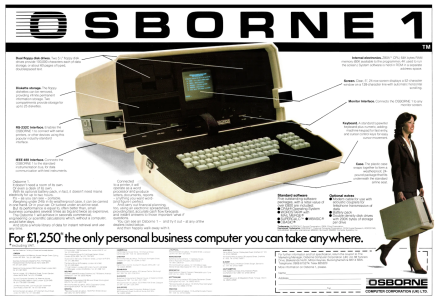
They are also famous for the "Osbourne Effect", where they announced the next generation of products too early, so people stopped buying the current-gen version. In reality, they had separate issues with inventory, cashflow, and competitors, but the early announcement was definitely a contributing factor! This is why tech companies now:
1. Keep a lid on new product announcements & details and then ship new products within a month
2. Sell tiered products (good, better, best) & stagger the releases (ex. laptops separate from phones etc.)
3. Do controlled marketing leaks to keep the hype going (without disclosing performance details, while keeping upgrades largely incremental)
That way, customers have options, but the old stuff doesn't immediately become "obsolete"!
1. Budget model (the current generation turns into this)
2. Flagship model (this is the new stuff!)
3. Pro or "Ultra" tiers (for people with money to burn)
Watch it get roasted lol:
I had ChatGPT write me a Matrix screensaver in Z80 assembly source! Now I just have to get a Greaseweazle floppy adapter, haha!

 pastebin.com
Generated screenshot:
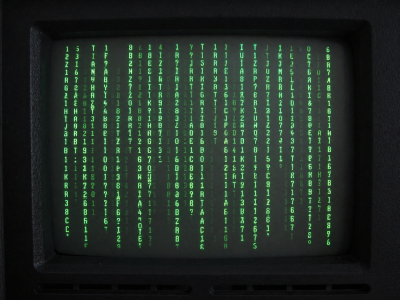
Next is to decide if I want to mod it, or keep it stock (it's 45 years old at this point, older than me LOL). They make a floppy adapter that can talk to a USB stick, which is hilariously amazing!

 github.com
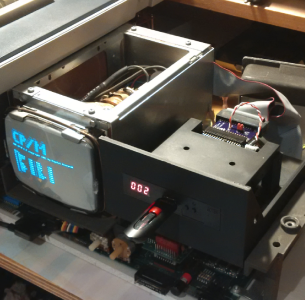
However! The Osbourne had a serial port, which used a modem to talk to mainframes by using a comm program like Kermit on CP/M. So in this case, what I'm thinking is to use a Raspberry Pi as the "mainframe" using a USB-to-serial adapter & converters. So I split that into 3 parts:
1. Pi Zero 2 W (tiny chip) as the AI coprocessor (I should 3D-print a tiny mainframe case for it lol)
2. Live ChatGPT terminal
3. Local LLM (SmolLM 135M + TinyClaw shell)
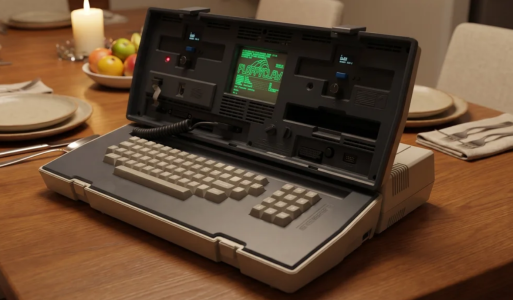
I call the last one "FloppyClaw" lol. Mockup:
Some interesting projects:
* Osbourne 1 for MAME
* CP/M browser emulator
* Osbourne 1 replica Cyberdeck
Also, I found this picture:
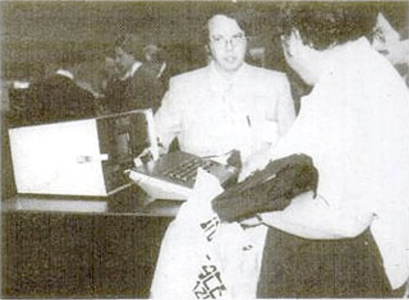
Then did a quick upscale, restore, and colorize pass on it:
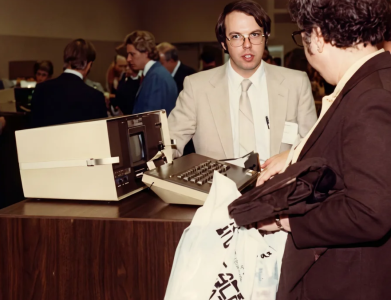
Anyway, share your tidbits!
I'm not much of a collector, but from time to time, I'll snag a unique piece of computer history for my very small hardware collection & recently came across a good-quality Osborne 1, which is considered to be the first "laptop" aka "luggables" haha. A brief history: (4 pages)
Osborne!
Notebooks. Netbooks. Smartphones. Tablets. In 2011, the default state of personal computing is mobile--traditional desktop PCs are still with us, but they've become the outliers. It wasn't always so. In their earliest days, in fact, PCs weren't primarily deskbound; they were entirely deskbound. The
I had a chance to get a bootable one from a thrift store about 25 years ago for FIVE DOLLARS, but didn't have the room for it at the time & have regretted it ever since! There was no battery & it basically folded up into a metal suitcase, sort of like a sewing machine:
These days we have tri-fold phones lol:
You boot up the CP/M OS on one 5.25" floppy & then load the program on the second floppy:
Launch price was $1,795 USD, which is about $5,500 in today's money, or like buying a new car back then! They sold 10,000 units a month at peak!
They are also famous for the "Osbourne Effect", where they announced the next generation of products too early, so people stopped buying the current-gen version. In reality, they had separate issues with inventory, cashflow, and competitors, but the early announcement was definitely a contributing factor! This is why tech companies now:
1. Keep a lid on new product announcements & details and then ship new products within a month
2. Sell tiered products (good, better, best) & stagger the releases (ex. laptops separate from phones etc.)
3. Do controlled marketing leaks to keep the hype going (without disclosing performance details, while keeping upgrades largely incremental)
That way, customers have options, but the old stuff doesn't immediately become "obsolete"!
1. Budget model (the current generation turns into this)
2. Flagship model (this is the new stuff!)
3. Pro or "Ultra" tiers (for people with money to burn)
Watch it get roasted lol:
I had ChatGPT write me a Matrix screensaver in Z80 assembly source! Now I just have to get a Greaseweazle floppy adapter, haha!
; ============================================; OSBORNE 1 MATRIX STREAMS v4 FI - Pastebin.com
Pastebin.com is the number one paste tool since 2002. Pastebin is a website where you can store text online for a set period of time.
Generated screenshot:
Next is to decide if I want to mod it, or keep it stock (it's 45 years old at this point, older than me LOL). They make a floppy adapter that can talk to a USB stick, which is hilariously amazing!
GitHub - WayneVisser/Osborne1FloppyAdapter
Contribute to WayneVisser/Osborne1FloppyAdapter development by creating an account on GitHub.
github.com
However! The Osbourne had a serial port, which used a modem to talk to mainframes by using a comm program like Kermit on CP/M. So in this case, what I'm thinking is to use a Raspberry Pi as the "mainframe" using a USB-to-serial adapter & converters. So I split that into 3 parts:
1. Pi Zero 2 W (tiny chip) as the AI coprocessor (I should 3D-print a tiny mainframe case for it lol)
2. Live ChatGPT terminal
3. Local LLM (SmolLM 135M + TinyClaw shell)
I call the last one "FloppyClaw" lol. Mockup:
Some interesting projects:
* Osbourne 1 for MAME
* CP/M browser emulator
* Osbourne 1 replica Cyberdeck
Also, I found this picture:
The Osborne 1 at 1981's West Coast Computer Faire in San Francisco, where it was the hit of the show.
Then did a quick upscale, restore, and colorize pass on it:
Anyway, share your tidbits!
Last edited: