• We’re currently investigating an issue related to the forum theme and styling that is impacting page layout and visual formatting. The problem has been identified, and we are actively working on a resolution. There is no impact to user data or functionality, this is strictly a front-end display issue. We’ll post an update once the fix has been deployed. Thanks for your patience while we get this sorted.

Discussion Samsung Exynos SoC thread

FlameTail

Diamond Member
This thread is created for the discussion of Samsung Exynos SoCs, and rumours/speculation regarding them.

Here's an overview of the 2 of the latest Exynos SoCs:

Exynos 2400

An SoC for Samsung's flagship Galaxy phones.

CPU
1 × Cortex X4 - 2 MB pL2 @ 3.2 GHz
5 × Cortex A720 - 1 MB pL2 @ 2.9 GHz
4 × Cortex A520 - (512 KB sL2 ×2) @ 1.96 GHz
8 MB L3

GPU
Xclipse 940
6 WGP AMD mRDNA (12 CU)
2 MB L2

Modem
Samsung Exynos 5400 (integrated)

Node
Samsung SF4P (4LPP+)

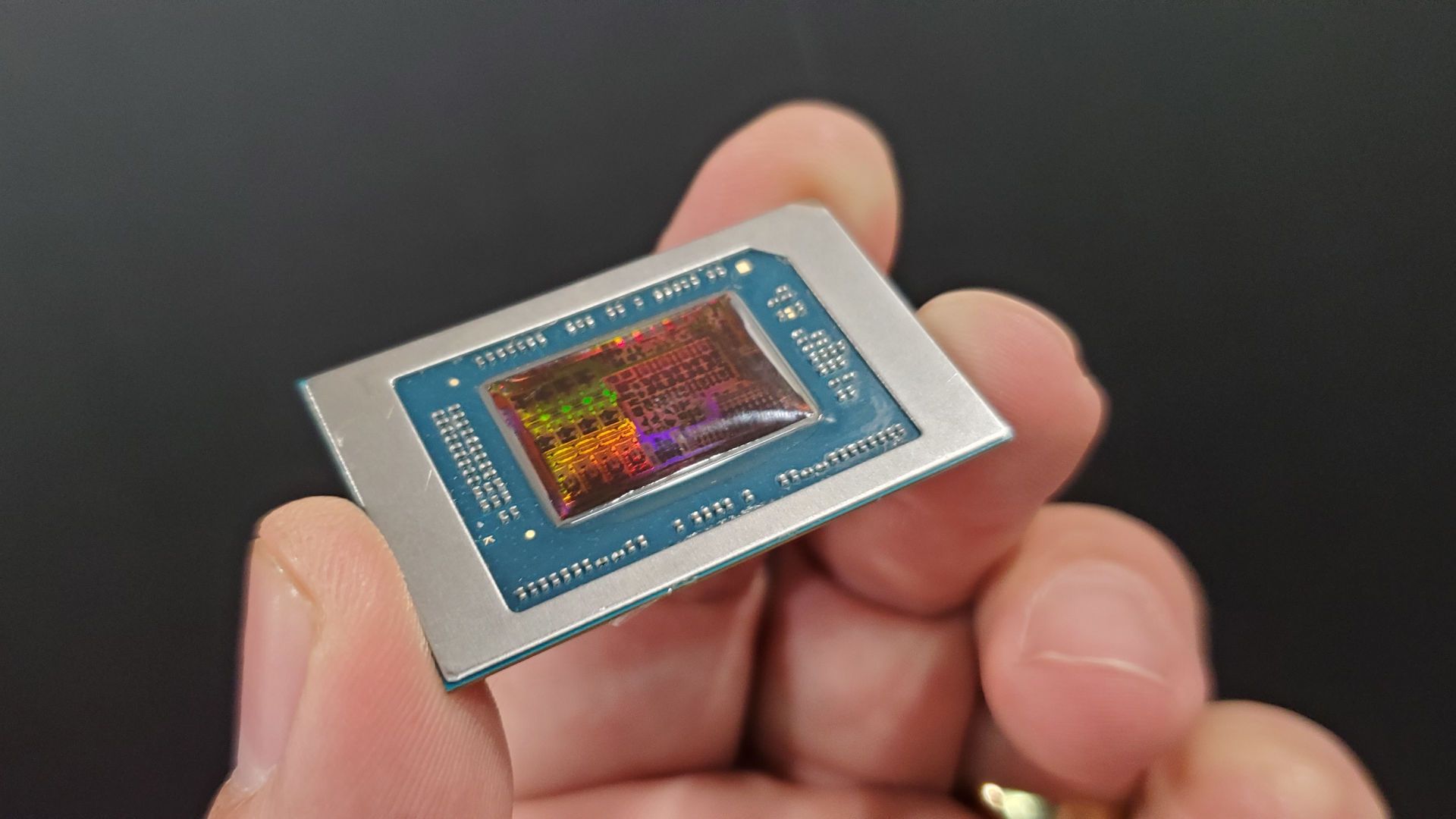
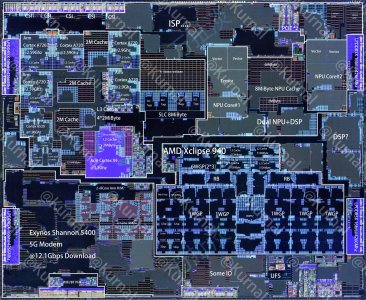
Die Shot
GMZ9nniaUAA_iJM (2).jpeg
From Kurnalsalts

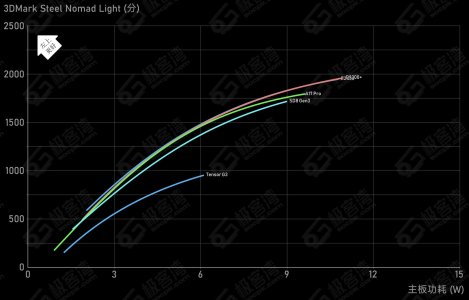
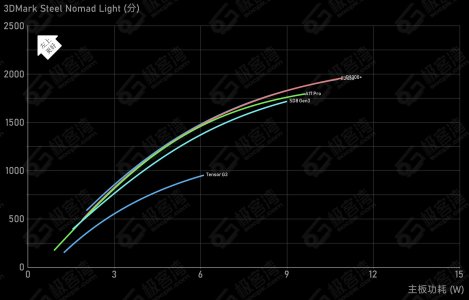
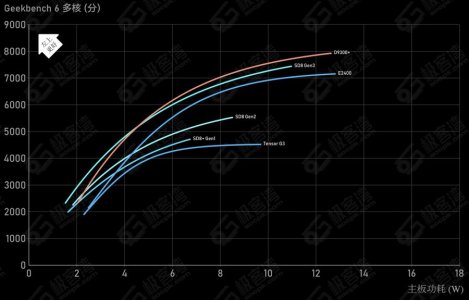
Geekerwan Power Curves;
GSGOAqIaoAAjGJ_.jpeg
GSGOO71aUA8QGsq.jpeg

Exynos W1000

An SoC for Samsung's wearables, such as the Galaxy Watch.

CPU
Cortex®-A78 1.6GHz Single-core
Cortex®-A55 1.5GHz Quad-core

GPU
Mali™-G68 MP2

Node
Samsung SF3 (3GAP)

Die size
4.846*3.647 = 17.6733mm²

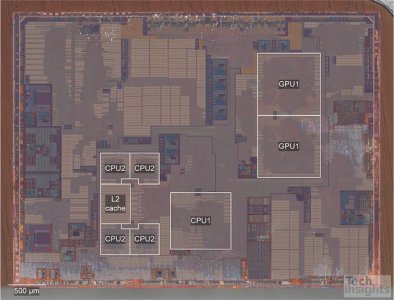
Die Shot:
GS2cikfbMAAqZ5Q.jpeg

This SoC is remarkable because it's the first "commercial" SoC using Samsung Foundry's 3nm GAAFET process (specifically SF3). There was earlier SF3E node, but it lacked some libraries and was used to fabricate cryptominer chips.
 
Last edited:
This SoC is remarkable because it's the first "commercial" SoC using Samsung Foundry's 3nm GAAFET process (specifically SF3). There was earlier SF3E node, but it lacked some libraries and was used to fabricate cryptominer chips.
Being the first doesn’t mean much when your yields are pathetic.
 
Being the first doesn’t mean much when your yields are pathetic.

They also aren't competing with any other customers for that node, at least not any large publicly known ones. So long as the value of the working chips exceeds the variable cost (wafers, materials, power, etc.) of running wafers at least they're paying something - no matter how small - against the massive capital outlay required to develop and deploy these processes. Note that I'm counting labor as part of the "fixed" overhead in this calculation, under the assumption that laying off staff is not an option.
 
AMD enthusiasts should find this interesting:


The updated design was introduced by Mark Papermaster, AMD's chief technology officer, and he began by pointing out that the changes culminated from its collaboration with Samsung, which licenses AMD's graphics tech for the Exynos range of smartphone and tablet processors.
AMD is taking the learnings from implementing mRDNA in Exynos processors, and applying them to their laptop iGPUs- such as the one in Strix Point.
 
Exynos W1000 dive by TechInsights.


More details will be released in the following days.
 
The upcoming Samsung Galaxy S24 FE is rumoured to feature the Exynos 2400e SoC (presumably an underclocked version of the 2400).

The remarkable thing is that this chip will be in Galaxy S24 FE phones of all regions, including the USA. That's right, this is the first Samsung phone since the Galaxy S6 to feature an Exynos chip in the USA.

Samsung has historically followed a strategy of SoC dual sourcing for their flagship phones. The USA (and a few other regions) got Qualcomm Snapdragon chips, while all other regions got Samsung Exynos chips.
 
The upcoming Samsung Galaxy S24 FE is rumoured to feature the Exynos 2400e SoC (presumably an underclocked version of the 2400).

The remarkable thing is that this chip will be in Galaxy S24 FE phones of all regions, including the USA. That's right, this is the first Samsung phone since the Galaxy S6 to feature an Exynos chip in the USA.

Samsung has historically followed a strategy of SoC dual sourcing for their flagship phones. The USA (and a few other regions) got Qualcomm Snapdragon chips, while all other regions got Samsung Exynos chips.

They may have had some issues with their cellular implementation in some parts of the world, I don't know. The biggest obstacle for Exynos was the requirement for CDMA 3G, which was never an international standard but nonetheless used by Verizon/Sprint in the US (and a few other places in the world where Qualcomm greased carrier palms) so now that that's in the history books it makes it much easier for Samsung to use their modem (and therefore their SoC) everywhere.
 
Ah, that would explain why Samsung is still serving A78/A55 cores in their midrange processors for 3 generations now.

Exynos 128020222 + 6Galaxy A53
Exynos 138020234 + 4Galaxy A54
Exynos 148020244 + 4Galaxy A55
A710 and A715 didn't have much perfomance over A78 but A720 is step above them, that's why E1580 may use A720.
 
Ah, that would explain why Samsung is still serving A78/A55 cores in their midrange processors for 3 generations now.

Exynos 128020222 + 6Galaxy A53
Exynos 138020234 + 4Galaxy A54
Exynos 148020244 + 4Galaxy A55
Wow, didn't realise that even Samsung was that bad off.
 
The increase is interesting but now is just on par with SD 8 Gen 3, SD8 Gen 4 has that massive jump that is on another whole league.
 
Ah, that would explain why Samsung is still serving A78/A55 cores in their midrange processors for 3 generations now.

Exynos 128020222 + 6Galaxy A53
Exynos 138020234 + 4Galaxy A54
Exynos 148020244 + 4Galaxy A55
Exynos 1580 hits Geekbench6;


Geekbench identifies it as ARMv8, which means it's still using Cortex A78/A55 cores probably. That's the FOURTH consecutive generation of Galaxy A5x phones with the same CPU cores.

Damn.
 
Exynos 1580 hits Geekbench6;


Geekbench identifies it as ARMv8, which means it's still using Cortex A78/A55 cores probably. That's the FOURTH consecutive generation of Galaxy A5x phones with the same CPU cores.

Damn.
There's no way this score is coming from a A78@2.9GHz. Unless the memory subsystem and cache were significantly improved.

I guess Arm really raised the price of Arm.v9 license beyond reasonable costs if that's the case.
 
There's no way this score is coming from a A78@2.9GHz. Unless the memory subsystem and cache were significantly improved.

I guess Arm really raised the price of Arm.v9 license beyond reasonable costs if that's the case.
The issue is that Mediatek uses those ARM v9 licence and put it on reasonably priced smartphones. Like the Dimensity 8300.

It's Samsung's doing. And thinking that still uses the A78, that is not boding well.

Also, the latest ARM v8 CPU that can be used is the A715.

And made me think... what if is an X1 core this time?
 
The issue is that Mediatek uses those ARM v9 licence and put it on reasonably priced smartphones. Like the Dimensity 8300.
Yeah, if this is so, Samsung has been using the same cores for 4 generations now. Cortex A78 was a core announced by ARM in 2020, and the A55 is even older than that.

ExynosA78 + A55Phone
12802 + 6Galaxy A53
13804 + 4Galaxy A54
14804 + 4Galaxy A55
15804 + 4 (?)Galaxy A56

2025 midrange phone with cores from 2020. This would have been excusable if it was like a very low end (<$200) phone. But no, this is Samsung's Galaxy A5x series, which has an MSRP of about $500.
Also, the latest ARM v8 CPU that can be used is the A715.
Wait what? Isn't A715 an ARMv9 core?
And made me think... what if is an X1 core this time?
It is possible that the core clocked at 2.9 GHz could be a Cortex X1.
 
Back
Top