Intel tends to pick price brackets and sticks with them, give or take a small change here and there. For example, here are all of the equivalent top i7 (_700K) models at release. Each of these are within 20% of the original 2700K price. This is usually the case for any other line (i5, i3, etc).
| CPU | Price | Price Change |
| 2700K | $ 332.00 | |
| 3770K | $ 332.00 | $ - |
| 4770K | $ 339.00 | $ 7.00 |
| 4790K | $ 339.00 | $ - |
| 5775C | $ 366.00 | $ 27.00 |
| 6700K | $ 339.00 | $ (27.00) |
| 7700K | $ 350.00 | $ 11.00 |
| 8700K | $ 359.00 | $ 9.00 |
| 9700K | $ 374.00 | $ 15.00 |
| 10700K | $ 374.00 | $ - |
| 11700K | $ 399.00 | $ 25.00 |
The only times when Intel varies from this pattern is
(A) A whole new group is introduced, such as when the i9 chips were added, they were priced higher than the i7 chips.
(B) A whole new processor design comes out. For example, the P4 was a different price structure from the P3.
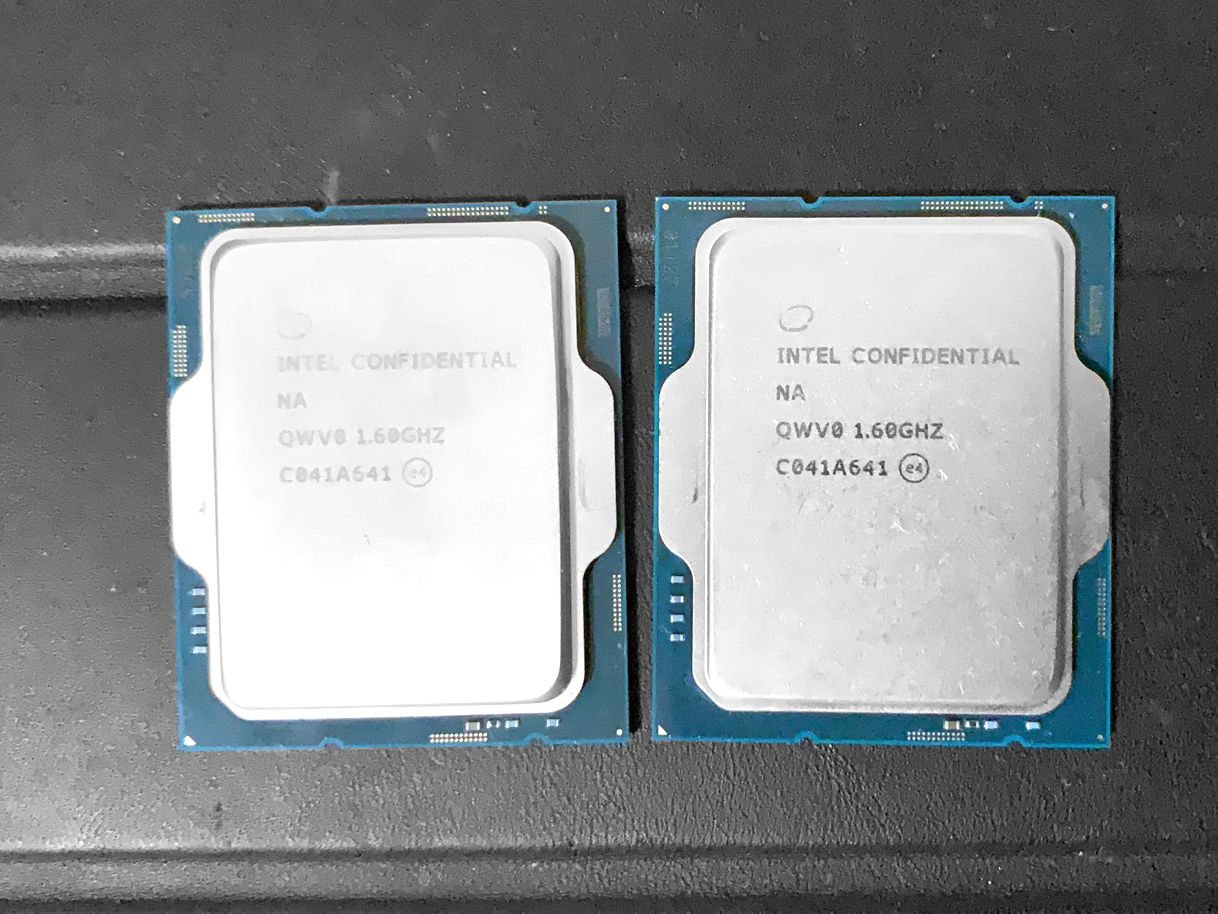
Will Alder lake fit into category (B)? We can only speculate, but I will assume no. If that assumption is true, then the 12700K will be similar to the 11700K in pricing probably a bit higher due to chip demand. The 12900K will probably be similar to the 11900K in pricing, etc.