WhoBeDaPlaya
Diamond Member
China R&D = Receive & Duplicate 😉


How are inventors supposed to avoid Chinese copycats?
How Can you sell your coolers at a fraction of the price of the competition?
We are a direct to consumer retailer. By cutting out the big box retailers and using word of mouth & social media to promote our coolers versus paying for high priced ambassadors and commercials, we are able to offer high quality coolers that have all of the features our customers want - at a fraction of the price.
Steve had been using a prototype iPhone for a few weeks, carrying it around in his pocket. When his lieutenants were assembled, he pulled the prototype out of his pocket and pointed angrily to dozens of scratches on its plastic screen.
People would carry their phones in their pockets, Steve said. They would also carry other things in their pockets--like keys. And those things would scratch the screen.
And then, with Apple just about to ramp up iPhone production, Steve demanded that the iPhone's screen be replaced with unscratchable glass.
“I want a glass screen," Steve is quoted as saying. "And I want it perfect in six weeks.”
Before they even won Apple's business, the Chinese company started building a new factory building in which to cut the glass. (The Chinese government was providing subsidies, and the company took advantage of them--"just in case.") The company provided Apple with a team of cheap engineers, as well as spare glass for Apple to experiment with, the latter for free. The company's engineers were housed in dormitories, so they were available to Apple 24 hours a day.
Apple hired the company to cut the hardened glass for the screens, and after a month of experimentation, the engineers figured out how to do it. They quickly sent the first shipment of screens to Foxconn's assembly plant in Shenzhen, where they arrived in the middle of the night. Foxconn's managers woke up thousands of workers and immediately began assembling iPhones.
Three months later, Apple had sold 1 million iPhones. Four years later, Apple has sold ~200 million of them.
As the Apple executives who spoke to Duhigg and Bradsher for their article make clear, there is no way American manufacturing companies could have met this timetable.
The end-to-end process of building the iPhones, Duhigg and Bradsher report, required 8,700 mid-level engineers. In the United States, Apple estimated, it would have taken 9 months to hire this many engineers. In China, it took 15 days.

Go after the stores that illegally sell them and hope you can get a big payoff from it otherwise you will waste a lot of money. 😉
Best thing is to get your brand name recognized more so people go for that instead of knockoffs and the stores see that and sell it instead.


LOL sure if you want international trade to grind to a fucking halt.Our ports are the real border control problem.
We import so much shit, and it doesn't get inspected. Too many illegal knockoffs make it through. There should be tariffs on imports to pay the dock workers and inspectors.
Every container from every ship should be inspected for illegal goods before it's loaded onto a truck or a train.

I see Amazon cleared out a bunch of Chinese knockoffs of Design by Humans shirts.
D.b.H. is a US-based company, with original artwork on the shirts.
The listing page for various shirts used to be littered with 12 to 20 copycat sellers, undercutting on price (good) - but ruining customers' satisfaction (uhoh), thanks to low quality wares.
Maybe Amazon does care.
It may slow things down, but I am not aware of a better way to validate that shipping manifests are accurate and that everything is properly being accounted for.LOL sure if you want international trade to grind to a fucking halt.

I do IT work for a lot of different companies that do manufacturing. Basically, you typically have a 6-month window of opportunity to grab sales before your product is cloned & sold for cheaper; that is just the nature of the business. Price is the bottom line for the majority of consumers, so across the board, they will buy an inferior product if it means savings money. A "good enough" product is a very powerful thing to have in the marketplace simply because people will buy it & you will make money.
The plot thickens in modern times with patent wars, faster manufacturing, Internet word-of-mouth, and so on. For example, Yeti sells heavy-duty coolers that keep your food cold for like a week. Their Tundra 65 cooler is a whopping $400. RTIC came along and knocked it off (basically used the same mold) for 50% off. $200 is still a lot of money, but for essentially the same product, it's a pretty good bargain. I bought one on their last sale (fire sale for legal reasons, whoohoo!) for even cheaper:
https://forums.anandtech.com/threads/rtic-cooler-sale.2497930/
So they eventually came under legal fire & were forced to (slightly) redesign their products, which they improved by adding more features like dual drain valves, larger capacities, etc. And the funny thing is, Yeti is actually a ripoff of Engel, but they were in a different market & Yeti changed the design just enough to not step on any toes legally. And aside from the legal issues, sometimes manufacturers just move too fast...apparently the soft-pack Yeti coolers were knocked off by RTIC before they even hit the market, haha. And the competition can leverage all of your market & brand awareness by Internet word-of-mouth. Direct from RTIC's FAQ:
So Yeti knocked off Engel & made roto-molded coolers mainstream, then RTIC (among others) capitalized on that success by cloning them (with good quality, no less) & relying on blogs, deals websites, Youtube, etc. to get the word out. Personally, I had seen Yeti's before at Cabella's, but the prices drove me away. But the RTIC on sale was a pretty good deal for essentially the same exact product. The consumer argument is very strong...same thing for half off, what's not to like?
One of the saddest stories in recent memory was the Fidget Cube Kickstarter. They originally raised over $6 million dollars for a very neat & very original product:
https://www.kickstarter.com/projects/antsylabs/fidget-cube-a-vinyl-desk-toy
However, they got beat to the market before they even shipped! And not just by a little bit, but by a LOT! As of a few months ago, there were over 60 copycats available:
https://www.reddit.com/r/fidgettoys/comments/5rfcnn/63_fidget_cube_clones_that_you_can_order_until/
One of my friends bought a knockoff for like $5 online from one of the direct-from-China websites. The buttons are all low-quality & don't work very well, but it does the job. Here's a really good article about how a 24-year-old make $345,000 in 2 months by beating the Kickstarter product to the market:
http://www.cnbc.com/2017/01/30/a-24-year-old-made-345000-by-beating-kickstarters-to-market.html
A similar thing happened to the Kickstarter that made a self-stick built into a smartphone case. Great article here:
https://qz.com/771727/chinas-factor...ime-for-the-rest-of-the-world-to-get-over-it/
Basically...get your product to the market as fast as possible, and if possible, create the marketing buzz when you're ready to ship so that you have a little time before the knockoffs come out. China has immense mobility when it comes to manufacturing. One of the craziest stories I've ever read is of the last-minute switch from plastic to glass screens on the original iPhone:
http://www.businessinsider.com/steve-jobs-new-iphone-screen-2012-1
Article highlights:
But how to meet that requirement?
Steve Jobs set the requirement, a building in China was thrown up, it took the engineers a month to figure it out, and then they literally woke up thousands of workers to begin the manufacturing. And 3 months later, they sold a million of them. Amazing. Manufacturing these days is a scary world, unless you know how to take advantage of it!
Thanks for the CNBC link. I was looking for it the other day. I've heard that there's now a huge group of people that surf Kickstarter to see what's really successful and then attempting to clone it and beat it to the market. Then drop everything when the lawsuit comes in. I've heard in some cases like the fidget cube they made a ton of money before the cease and desist letter came in, so much that they were able pivot to stealing a few other ideas. Totally shady but legal.


"Here's a little economics lesson: supply and demand. You put the supply out there and the demand will follow,"
Damn right! Worked great for Segue, New Coke, the Arch Deluxe, Zune, BetaMax, Google Glass and Crystal Pepsi.

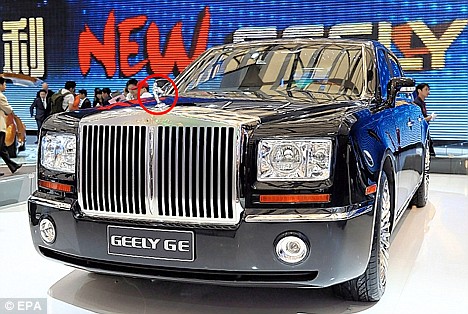
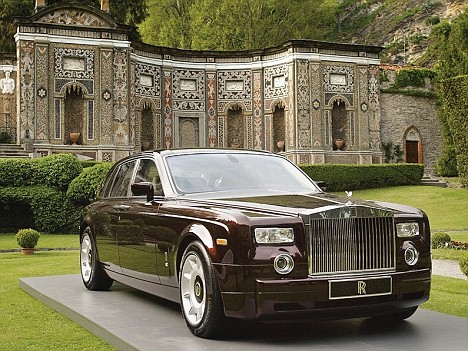


I blame American cowsumers for the problem. We want our stuff and we want it cheap. Match this to corporate greed and that means stuff goes overseas to make it cheap and afford a greed-induced profit. This in turn means we must deal with the #1 nation for counterfeit products. We are the bitches of China. Until you stop buying things Made in China and stop your government from borrowing from those btards then ...
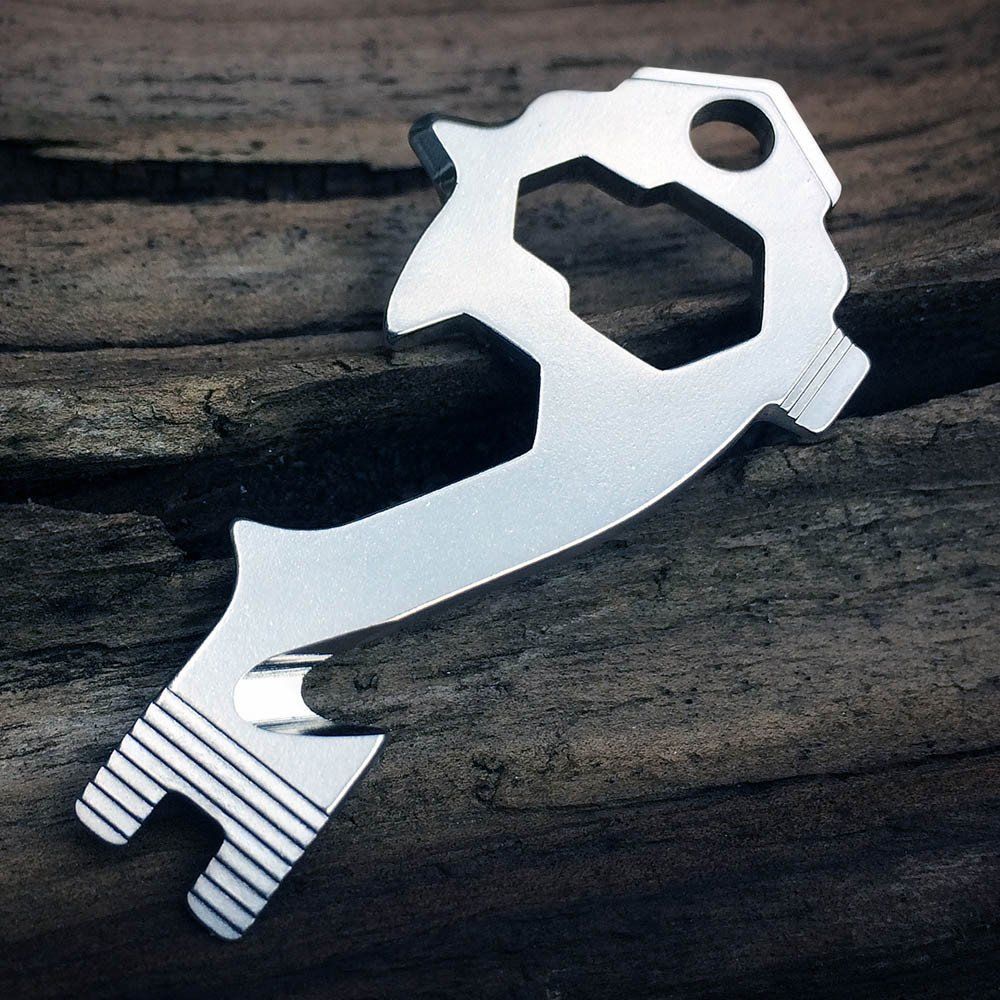
Man, that sucks! Those are a total Chinese rip-off of our product! They even stole our photos (with my hand in them)! They cost us several times that price just to manufacture... If you look at the bottom photo (the one on the white background) on that listing you can see it's a poor knock off of our product and the product doesn't match our photos (the ones they stole and used in their listing) – for example the pry bar is smooth (not stepped for grip) and only machined on one side (as ours is stepped and CNC'd on both sides). Same with the box opener and apparently the cutter too, theirs is just one sided with would be terrible for performance... Not to mention all the sharp points and crooked edges and sloppy job overall. It's a very bad job on copying our design. Anyone who supports small US businesses and the Everyday Carry community shouldn't pump money into these foreign companies stealing hard worked for, intellectual property.