

They've made some great strides pushing Zero Day back. It was as early as April 1 and is now July 9th - which is into their rainy season.
Its a DA area but the ANC, by government mandate (constitution?) controls the majority of the water and new water related infrastructure projects. There has been a lot of anger at the ANC about perceived lack of attention because its an area that votes primarily for the opposing party.
It certainly didn't help but I mean its not like they didn't know the area has been getting warmer and drier over the last 100 years.
They also didn't learn from Venezuela when they had their own crisis based on rain fall dependency.
https://www.nytimes.com/2018/01/30/world/africa/cape-town-day-zero.html
They built some fancy football stadiums there over 10 years ago, maybe they should have built infrastructure instead? Is this another story of the general ineptitude of the ANC government? (Although i thought the DA where in charge of Cape Town?) Kind of like the power situation down there?
Its a DA area but the ANC, by government mandate (constitution?) controls the majority of the water and new water related infrastructure projects. There has been a lot of anger at the ANC about perceived lack of attention because its an area that votes primarily for the opposing party.
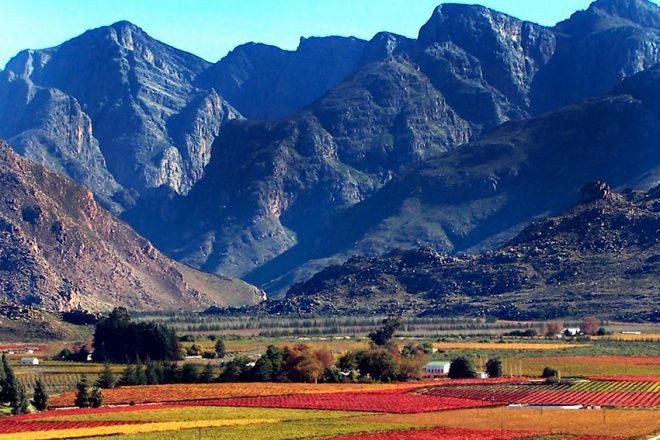
The national government controls the water supply to Cape Town, other municipalities and the province’s agricultural sector, including the large wine industry east of Cape Town. In the first two years of the drought, experts say, the national government failed to limit water supplies to farmers, intensifying the problem.
3 years of record drought might have a small role in this
Background
https://www.theguardian.com/cities/...b/03/day-zero-how-cape-town-running-out-water
https://news.nationalgeographic.com...t-of-water-drought-taps-shutoff-other-cities/
https://www.theguardian.com/cities/2018/feb/03/day-zero-cape-town-turns-off-taps
It certainly didn't help but I mean its not like they didn't know the area has been getting warmer and drier over the last 100 years.
As far back as 2007, South Africa’s Department of Water Affairs warnedthat the city needed to consider increasing its supply with groundwater, desalination and other sources, citing the potential impact of climate change.
Cape Town has grown warmer in recent years and a bit drier over the last century, according to Piotr Wolski, a hydrologist at the University of Cape Town who has measured average rainfall from the turn of the 20th century to the present.
They also didn't learn from Venezuela when they had their own crisis based on rain fall dependency.
https://www.nytimes.com/2018/01/30/world/africa/cape-town-day-zero.html





 Facebook
 Twitter