• We’re currently investigating an issue related to the forum theme and styling that is impacting page layout and visual formatting. The problem has been identified, and we are actively working on a resolution. There is no impact to user data or functionality, this is strictly a front-end display issue. We’ll post an update once the fix has been deployed. Thanks for your patience while we get this sorted.

++ ATOT official NEF thread part IV ++

Page 6783 - Seeking answers? Join the AnandTech community: where nearly half-a-million members share solutions and discuss the latest tech.
Why don't you just set the limit and have the UPS software shutdown automatically? I can keep my boxes up for 45+ minutes before I have to make that decision. I generally leave my home server on 24/7 for the very reason that you leave them on. However, that's what backups are for. If you have to turn it off you shouldn't worry about that.

I have not coded that into the software yet. But I plan to. The UPS itself does not have it built in and even if it did, it would only be able to do one machine.

There's a lot of stuff I have to tweak/code in that software really. I have not touched it since like 2013.

The software is general purpose - not just for power, so I want to implement a feature where when a monitoring point hits a certain value it can execute a command. The idea would be that it would start to shut stuff the least important stuff in sequence as the voltage goes down. I also realized that some of my servers come on right away when they get power again, that is BAD. Means they will get the brunt of a surge when power returns. I will want to figure out a way to prevent that. Will be less of an issue when I switch to dual conversion as it's the rectifiers that will get the brunt of it instead of the servers.
 
If it's 75 (24C) out I'm not sure I have to use the a/c unless I'm going to bed. Unfortunately, our lows this time of the year are generally in the 80s. It's cooler today because we had something rare called rain this afternoon. But the humidity is (currently) at 75%. So, the air is on.
 
Yeah still under a heat wave, it's "slightly" cooler than the past few days, enough to take off the heat warning but still in the high 20's. Went to open the windows and realized it's hotter outside than inside so closed them back.
 
I need to implement the auto shut down and smooth out voltage reading sooner than later in my software. I have a feeling this is going to be a regular occurrence until they figure out the cause of the fault. it's obviously blowing for a reason.
 
I have not coded that into the software yet. But I plan to. The UPS itself does not have it built in and even if it did, it would only be able to do one machine.

There's a lot of stuff I have to tweak/code in that software really. I have not touched it since like 2013.

The software is general purpose - not just for power, so I want to implement a feature where when a monitoring point hits a certain value it can execute a command. The idea would be that it would start to shut stuff the least important stuff in sequence as the voltage goes down. I also realized that some of my servers come on right away when they get power again, that is BAD. Means they will get the brunt of a surge when power returns. I will want to figure out a way to prevent that. Will be less of an issue when I switch to dual conversion as it's the rectifiers that will get the brunt of it instead of the servers.

Why don't you have a dedicated UPS for each machine? Also, CyberPower has Linux software now. I know you are a Linux guy. 😎
 
26K moo!

150th-Celebration-banner.png
 
Why don't you have a dedicated UPS for each machine? Also, CyberPower has Linux software now. I know you are a Linux guy. 😎

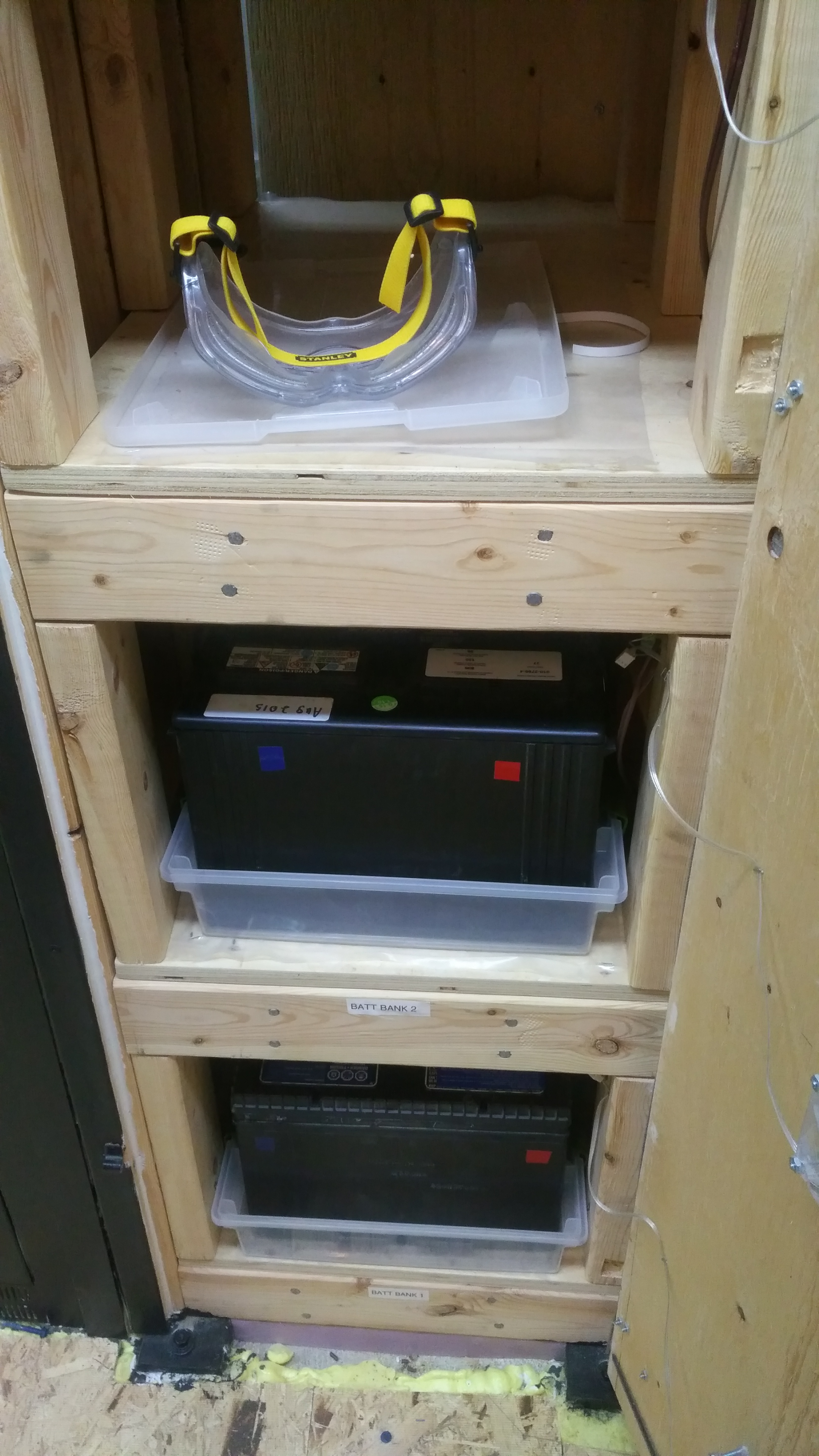
That's way more work to manage and more points of failure, and harder to expand. I have a couple small UPSes for less important stuff but all my servers are on the big UPS that is (suppose to) be good for about 4 hours. I need to add more battery capacity as I learned this morning though, it only toughed about 2-3 hours.

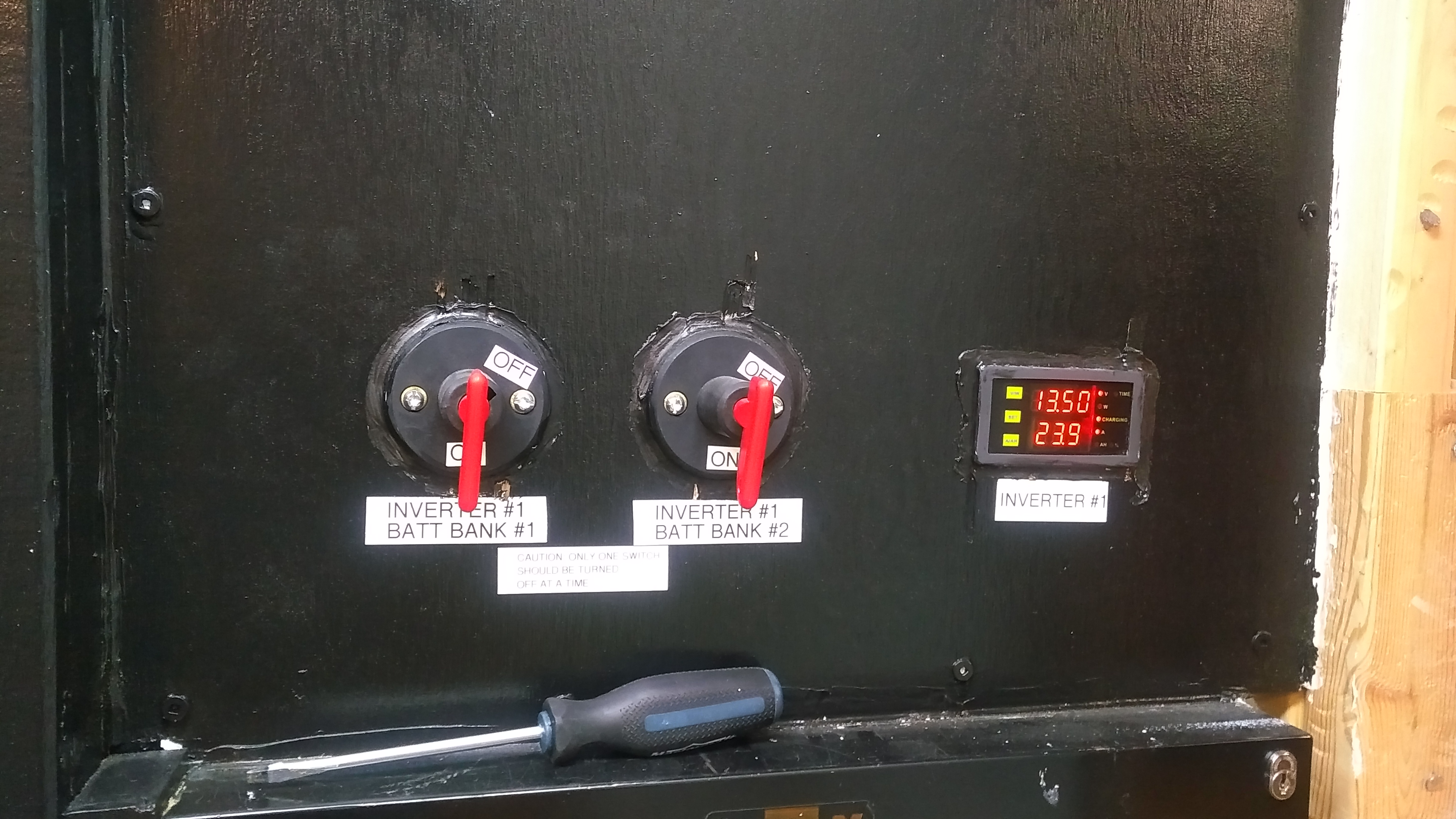
I eventually want to do a 48v dual conversion setup with two or more 2400w inverters. 1 inverter per PDU and maybe another for misc circuits around the house.

Idealy I could do standby generator too but might get noise complaints so better to just add more batteries. I eventually want to add solar too. I eventually want to phase out all the small UPSes and run off a bigger UPS that is easily expanded.


Drawing quite a bit these days lol. There's a few boxes I could downsize though. I could find some kind of mini arm based box for the pfsense router, as a start, and there's one server I need to either finish migrating to a new VM, or just virtualize it as is.
 
That's way more work to manage and more points of failure, and harder to expand. I have a couple small UPSes for less important stuff but all my servers are on the big UPS that is (suppose to) be good for about 4 hours. I need to add more battery capacity as I learned this morning though, it only toughed about 2-3 hours.

I eventually want to do a 48v dual conversion setup with two or more 2400w inverters. 1 inverter per PDU and maybe another for misc circuits around the house.

Idealy I could do standby generator too but might get noise complaints so better to just add more batteries. I eventually want to add solar too. I eventually want to phase out all the small UPSes and run off a bigger UPS that is easily expanded.

Hmmm... so, you want to move from "more points of failure" to one gigantic point of failure?
 
Hmmm... so, you want to move from "more points of failure" to one gigantic point of failure?

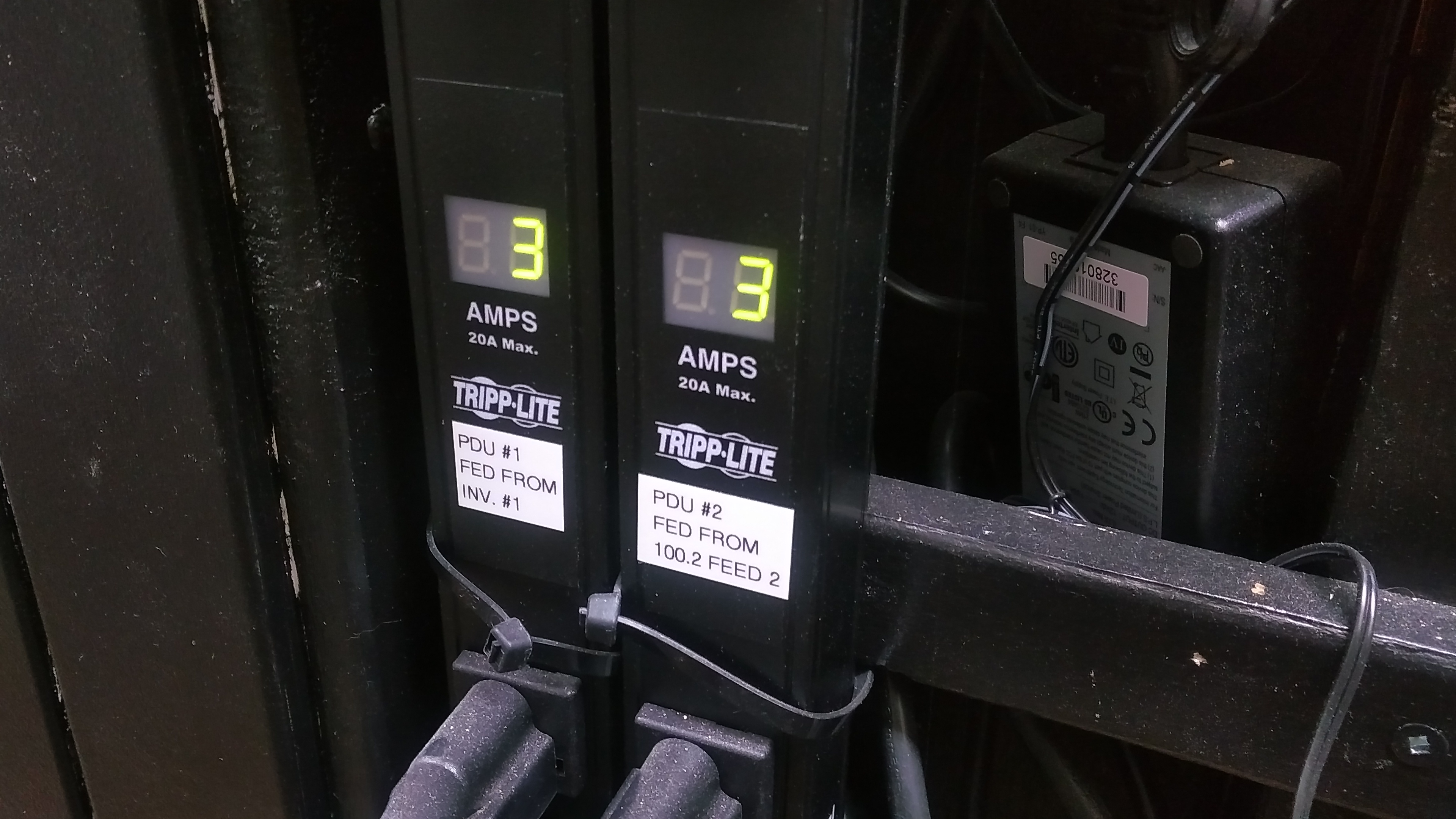
It would be redundant. It's how the telcos do it. Though most of the equipment runs directly off 48v so they do get to skip the inverters. I would have several rectifiers floating a 48v battery bank, then several inverters, one per PDU. The most critical point of failure would be the inverter but not any different than a UPS. you can only have 1 UPS feeding 1 PDU (without doing some fancy AC syncing stuff), so each PDU is still a point of failure. Important servers have dual PSUs.
 
Back
Top