• We’re currently investigating an issue related to the forum theme and styling that is impacting page layout and visual formatting. The problem has been identified, and we are actively working on a resolution. There is no impact to user data or functionality, this is strictly a front-end display issue. We’ll post an update once the fix has been deployed. Thanks for your patience while we get this sorted.

Now that's what I call a gun!

BUTCH1

Lifer
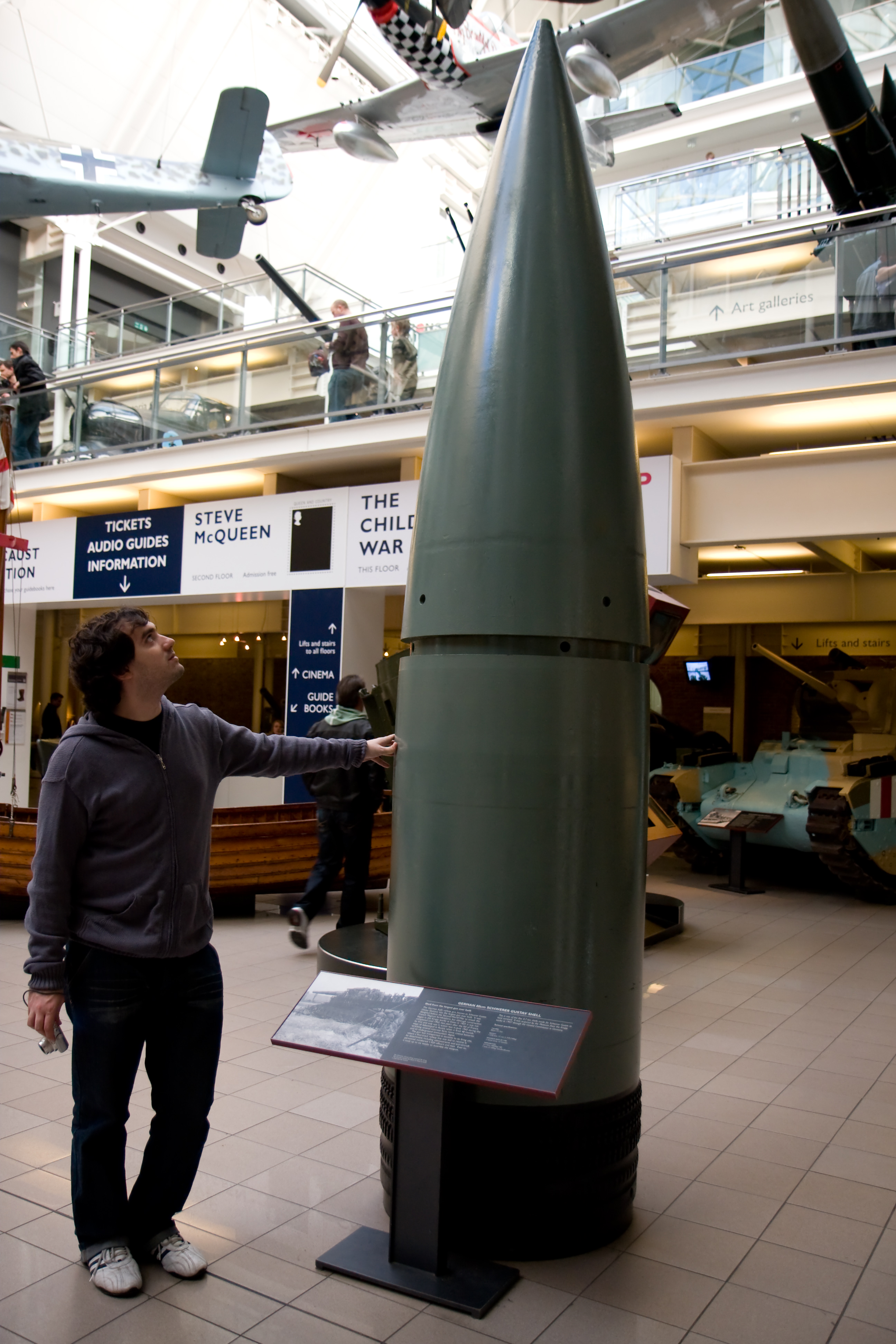
Schwerer Gustav, 2 of the monsters were constructed by Germany during WW2,
it weighed 1,350 tons, 155ft long, and fired a 10,600lb projectile!
https://www.youtube.com/watch?v=Hf3fgfHoTOc
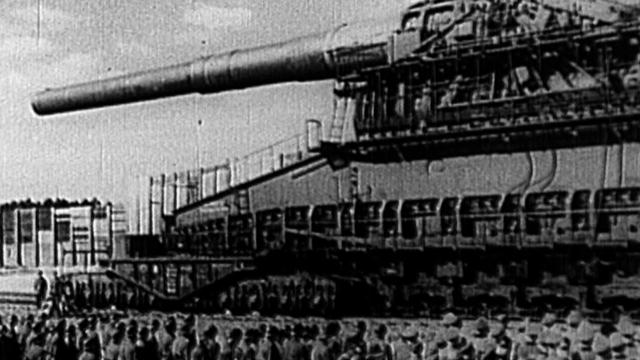
134575160976513773200801197_Schwerer_Gustav_gun.jpg

2269184212_341cbce901_o.jpg

tumblr_mnipw2i3PM1reh0fqo1_500.jpg
 
Last edited:
Wow that thing is ridiculous!

Seems like it has way too many downsides to be have been worth even building for anything other than the WW2 era equivalent of an e-peen.
 
It was primarily designed to be used against the French Maginot Line, a series of bunkers/forts linked along the French border of Germany.

The Germans simply went to the gap in the Maginot Line at the Ardennes and went around it .. DoH !!

The Schwerer Gustav was used effectively at Sevastopol, and was able to penetrate an ammo store underneath a lake. It also was used against the Soviet 'Maxim Gorki' bunker - http://allworldwars.com/The%20History%20of%20Maxim%20Gorky-I%20Naval%20Battery.html

It's problem was that it was simply too big to move anywhere, requiring TWO railway lines running parallel to each other, and a crew of over 2,000 men to operate.
 
Amazing gun for sure. The gun just required too much resource and manpower to operate. It's like moving a battleship on land.
 
I swear that took a piss right next to me one time at an Angels game back when the bathrooms only had meat-troughs and not individual urinals.

Damn peripheral vision and subsequent feelings of inadequacy.
 
Guess they took lessons from their first try. Though the Paris gun had a 75 mile range.

Yea, the Paris gun was another insane weapon, it took the French awhile to figure out what was going on, they thought that they were being bombed by a dirigible but could not see any flying overhead. In all it was not a very effective weapon for all they put into building it, the projectile was 234lbs and only 6.6% was explosives, it had to be constructed so sturdily to survive being launched with so much power and velocity.
 
Would have expected that sort of overcompensation from a different one of the Axis powers!

Well there was, the battleship "Yamoto" sported "18 main batteries, the largest ever mounted on a naval vessel and the Yamoto was the largest (by far) battleship ever built. Thing was though the IJN did not have a decent fire-control system, our "Iowa" class battleships with their "16 main batteries were a much, much better ship, "18 shells are expensive ordinance when you can't reliably put them on target.
 
Even with its massive size, it didn't have any major impact on any of the battles, size does not matter :colbert:

And you would be wrong, it destroyed a Russian fort with 6 shots, it destroyed an ammo dump that was 30 meters underwater and behind 3 feet of concrete as well. The issues with those were that they were subject to air attack, (kinda hard to hide a gun THAT big) and the time and amount of people it took to make it operate. The US army overran one but with no way of moving it wound up destroying it to prevent it from falling into Russian hands.
 
Saddam attempted something similar with Project Babylon. There seems to be a trend as to what happens to the countries that build them....
 
While a magnificient engineering exercise. A waste of manpower and resources for very little gain.
 
A little interesting note on the 80cm monster from My German WW2 Artillery book. The 80cm gun used a powder casing, as a lot of German weapons did. So instead of bags of power being inserted behind the shell their was a actuall steel powder casing to hold the over 1 ton of powder that was inserted behing the shell. Normally the powder casings where stamped as to what caliber etc went to the gun. However in un-typical German fashion these powder casing's where never stamped as to what gun they belong to. However it would have been difficult to confuse the powder casing with any other weapon considering how big it was. :whiste:
 
Well there was, the battleship "Yamoto" sported "18 main batteries, the largest ever mounted on a naval vessel and the Yamoto was the largest (by far) battleship ever built. Thing was though the IJN did not have a decent fire-control system, our "Iowa" class battleships with their "16 main batteries were a much, much better ship, "18 shells are expensive ordinance when you can't reliably put them on target.

16", 18", even 24" makes no difference. obsolete by over 2 decades is still obsolete.

even in their prime, the dreadnought-class ships were of very limited use. other than jutland, the 1 and only time fleets were engaged the way admirals had conceived from their brandy and pipe smoke-filled leather and hardwood meeting rooms, they spent the majority of time in port, too expensive to risk. this was repeated in ww2. pearl harbor accidentally thrust the US in the right direction.

here's an article on the iowa-class' rangekeeper mark 8, a fantastic piece of work:

http://arstechnica.com/information-...-mechanical-analog-computers-ruled-the-waves/
 
A little interesting note on the 80cm monster from My German WW2 Artillery book. The 80cm gun used a powder casing, as a lot of German weapons did. So instead of bags of power being inserted behind the shell their was a actuall steel powder casing to hold the over 1 ton of powder that was inserted behing the shell. Normally the powder casings where stamped as to what caliber etc went to the gun. However in un-typical German fashion these powder casing's where never stamped as to what gun they belong to. However it would have been difficult to confuse the powder casing with any other weapon considering how big it was. :whiste:

Interesting. I wonder if this would be considered "semi-fixed" ammunition. The steel powder casing being filled with powder before loading behind the shell. I'll assume the powder casing was reusable too.
 
A little interesting note on the 80cm monster from My German WW2 Artillery book. The 80cm gun used a powder casing, as a lot of German weapons did. So instead of bags of power being inserted behind the shell their was a actuall steel powder casing to hold the over 1 ton of powder that was inserted behing the shell. Normally the powder casings where stamped as to what caliber etc went to the gun. However in un-typical German fashion these powder casing's where never stamped as to what gun they belong to. However it would have been difficult to confuse the powder casing with any other weapon considering how big it was. :whiste:

There's a few other vids on YT showing them shoving huge powder bags into the breech, the I saw a photo of the gun as it was being fired, all the soldiers that were in the shot had their hands over their ears, that thing must have been as loud as all get-out. Imagine being down-range and hearing that and knowing a 10,600lb round was incoming. Actually the shell might get there first, I guess it might depend on the arc they fired it, a high-trajectory shot might give them a short time to run for cover, I'm not sure, if they used the max range of 30 miles I doubt those on the receiving end would be able to spot the muzzle-flash at that distance. Lemme dig up the photo of it as it's going off and add it to the OP..
 
And you would be wrong, it destroyed a Russian fort with 6 shots, it destroyed an ammo dump that was 30 meters underwater and behind 3 feet of concrete as well. The issues with those were that they were subject to air attack, (kinda hard to hide a gun THAT big) and the time and amount of people it took to make it operate. The US army overran one but with no way of moving it wound up destroying it to prevent it from falling into Russian hands.

Did the US and Russia ever share a battlefield in WW2?
 
Back
Top