Silverforce11
Lifer
http://www.bitsandchips.it/english/...ks-the-next-amd-uarch-is-a-major-step-forward

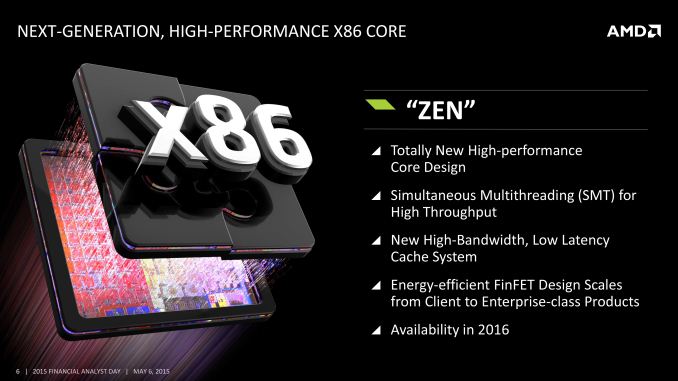
According to our reliable sources, Zen represents a major step forward. This uArch will be a lot better than Excavator, and will be on a par with – or very near to – Intel Haswell uArch.
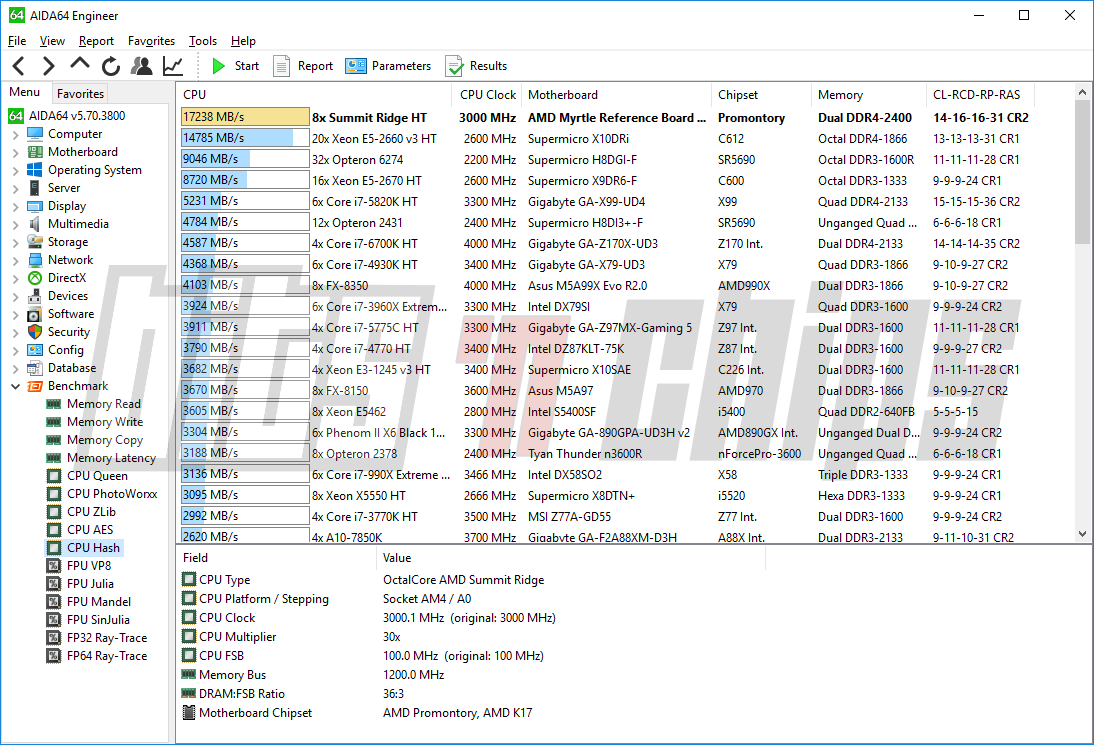
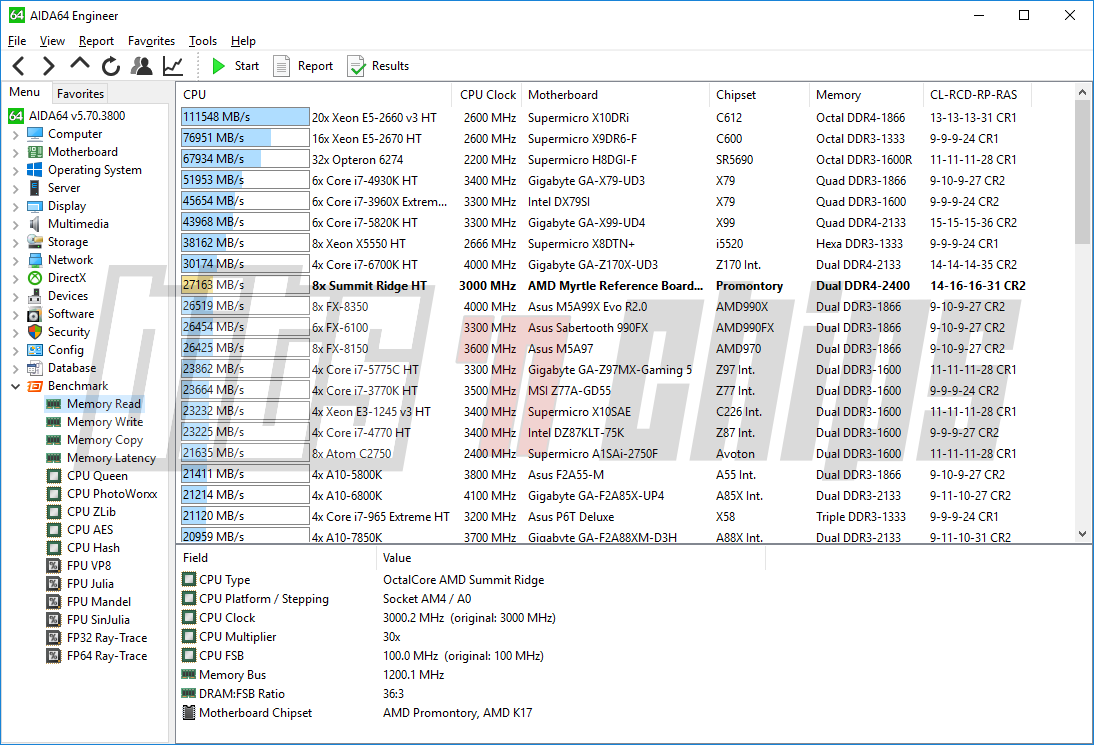
We have some screenshots about particular AIDA64 benchmarks (v5.70). The sample tested is an 8 cores Summit Ridge CPU (Myrtle Reference Board), and it runs at 3,0 GHz.
However, thanks to these benchmark, we can say that Zen seems to be very good. The DDR4 bandwitdh is almost on pair with the bandwidth of the i7-6700K, while the score about CPU Hash benchmark is three times better than the score of the i7-5820K. Good, but not fantastic, the FP32 Ray Trace score.
The sample used is the A0 revision (So, take these results with a grain of salt. Next revision will improve the results). The CPU runs at 3,0 GHz. The Turbo Boost feature is still disabled. The Hash score is very high thanks to the SHA hardware acceleration, but ... why is the FP32 Ray Trace score so low? It seems that Zen will have a weak AVX2 implementation, but the pure Floating Point Unit will be able to match up with the best Intel FPUs.
Infact, our source claims that the 8 cores Summit Ridge CPU will be able to perform like the 8 cores Broadwell-E CPUs. Because of that, Intel will commercialize a 10 cores Broadwell-E CPU, and because of that Intel has backtracked: next Broadwell-EX/EP server CPUs are still here.
-------------------------
April Fools or potentially legit?
Looks reasonable to me given Lisa Su said it's on track for greater than 40% IPC gains over excavator.
Zen 8 Core duking it out vs 5960X!
According to our reliable sources, Zen represents a major step forward. This uArch will be a lot better than Excavator, and will be on a par with – or very near to – Intel Haswell uArch.
We have some screenshots about particular AIDA64 benchmarks (v5.70). The sample tested is an 8 cores Summit Ridge CPU (Myrtle Reference Board), and it runs at 3,0 GHz.
However, thanks to these benchmark, we can say that Zen seems to be very good. The DDR4 bandwitdh is almost on pair with the bandwidth of the i7-6700K, while the score about CPU Hash benchmark is three times better than the score of the i7-5820K. Good, but not fantastic, the FP32 Ray Trace score.
The sample used is the A0 revision (So, take these results with a grain of salt. Next revision will improve the results). The CPU runs at 3,0 GHz. The Turbo Boost feature is still disabled. The Hash score is very high thanks to the SHA hardware acceleration, but ... why is the FP32 Ray Trace score so low? It seems that Zen will have a weak AVX2 implementation, but the pure Floating Point Unit will be able to match up with the best Intel FPUs.
Infact, our source claims that the 8 cores Summit Ridge CPU will be able to perform like the 8 cores Broadwell-E CPUs. Because of that, Intel will commercialize a 10 cores Broadwell-E CPU, and because of that Intel has backtracked: next Broadwell-EX/EP server CPUs are still here.
-------------------------
April Fools or potentially legit?
Looks reasonable to me given Lisa Su said it's on track for greater than 40% IPC gains over excavator.
Zen 8 Core duking it out vs 5960X!